How to Buy Cheap Rural Property in New York (Complete Guide)
Buying cheap rural property in New York may seem challenging at first, especially considering the state’s reputation for high real estate prices. However, outside of major urban areas, there are still many opportunities to find affordable land, farmhouses, and rural homes at surprisingly accessible price points.
Before you start searching, it helps to know what land actually costs where you are looking. Our guide to buying rural land in upstate New York breaks the state down county by county using the USDA Census of Agriculture, and covers the property tax rules that catch out-of-state buyers.
In fact, many buyers are now actively searching for cheap rural property in New York as a way to escape high-cost cities, invest in land, or build a more independent lifestyle. From the Finger Lakes region to the Southern Tier, the state offers a wide range of options for those who know where to look and what to expect.
The key is understanding how the market works, what factors influence pricing, and how to identify properties that offer real long-term value. In this guide, you’ll learn exactly how to navigate the process of buying rural property in New York, step by step, while avoiding common mistakes and hidden costs.
Why Cheap Rural Property in New York Still Exists
At first glance, it might seem contradictory to talk about cheap rural property in New York, especially given how expensive real estate can be in areas like New York City or its surrounding suburbs. However, the reality is that New York is a large and diverse state, and pricing varies dramatically depending on location.
In rural regions, property values are often significantly lower due to factors such as lower population density, fewer job opportunities, and limited access to infrastructure. According to data from the U.S. Census Bureau, many counties in upstate New York have experienced slower population growth or decline, which directly impacts housing demand and pricing. This is particularly true in areas like the Southern Tier, parts of Upstate New York, and more remote counties, where affordable land in New York continues to be available.
Another key reason why lower-priced properties exist is property condition. Many rural homes, especially older farmhouses, may require updates or renovations. While this can discourage some buyers, it also creates opportunities for those willing to invest time and resources into improving a property.
Additionally, lifestyle shifts have played an important role. As remote work becomes more common, more buyers are considering rural living, but demand is still relatively low compared to urban markets. This imbalance helps keep prices accessible in many regions.
It’s also important to understand that not all cheap properties are equal. Some offer strong long-term potential, while others may come with limitations related to access, utilities, or zoning. That’s why understanding the context behind pricing is essential when evaluating any cheap rural property in New York.
Ultimately, these market dynamics are what make it possible to find properties with land at relatively low prices, especially when compared to other parts of the country. And for informed buyers, this creates real opportunities to enter the market at a much lower cost than expected.
Step-by-Step Guide to Buying Rural Property in New York
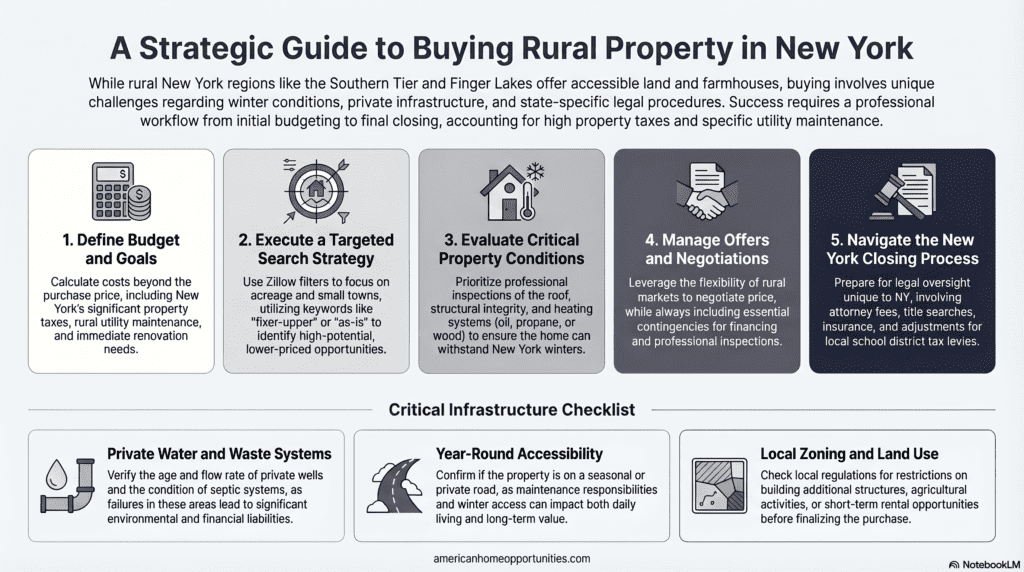
Understanding the process of buying cheap rural property in New York is essential if you want to avoid costly mistakes and make a smart investment. According to the New York State Department of State, real estate transactions in New York typically involve legal oversight, title searches, and formal closing procedures that differ from many other states. While the overall process is similar to buying any home, rural properties come with specific considerations that every buyer should be aware of.
Here’s a clear step-by-step breakdown to guide you through the process.
1. Define Your Budget and Goals
Before you start searching, it’s important to clearly define your budget and what you’re looking to achieve.
Are you buying a primary residence, a weekend retreat, or an investment property? Are you looking for move-in ready homes, or are you open to renovation projects?
When evaluating cheap rural property in New York, keep in mind that the purchase price is only one part of the equation. You should also consider additional costs such as property taxes, maintenance, utilities, and potential upgrades.
Having a clear financial plan will help you filter opportunities and avoid properties that may look attractive but exceed your real budget.
2. Search for Properties (Zillow Strategy)
Once your budget and goals are defined, the next step is finding the right opportunities.
Platforms like Zillow are one of the most effective tools for identifying cheap rural property in New York, especially when combined with the right filters.
Focus on:
- Rural areas and small towns
- Properties with acreage
- Listings that have been on the market longer (potential negotiation opportunities)
You can also look for keywords like “fixer-upper,” “needs work,” or “as-is,” which often indicate lower-priced properties with potential upside.
Consistency is key here. The best deals tend to appear and disappear quickly, so checking listings regularly can give you a significant advantage.
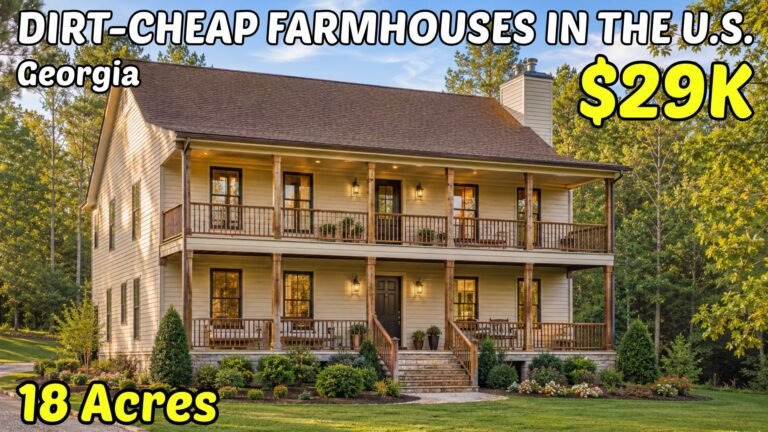
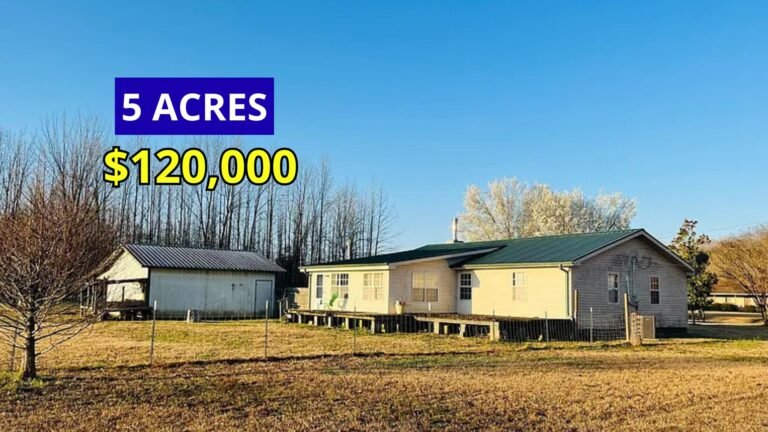
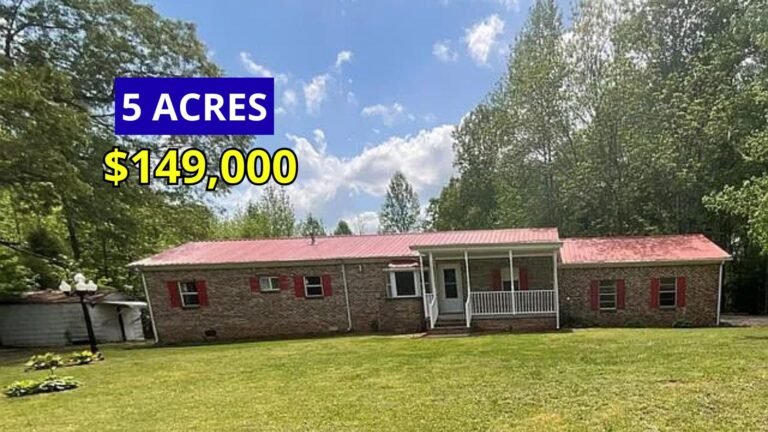
If you want to see real examples of what’s currently available on the market, take a look at our curated list here: 10 Dirt Cheap Farmhouses with Land in New York – Real Estate Goldmines.
3. Understand Property Conditions
Not all properties are in the same condition, and this is especially true in rural areas.
Many affordable homes may require updates, repairs, or even full renovations. This is one of the main reasons why cheap rural property in New York is still available at lower price points.
Pay close attention to:
- Roof condition
- Heating systems (critical in New York winters)
- Plumbing and electrical systems
- Structural integrity
If possible, always plan for a professional inspection before closing. What may seem like a small issue upfront can quickly turn into a significant expense if overlooked.
4. Make an Offer and Negotiate
Once you’ve found the right property, the next step is making an offer.
In rural markets, there is often more flexibility compared to competitive urban areas. This means you may have room to negotiate on price, especially if the property has been listed for a while or requires work.
Working with a local real estate agent can help you understand market conditions and submit a competitive but realistic offer.
It’s also important to include contingencies, such as inspection and financing, to protect your investment throughout the process.
5. Closing Process in New York
The final step is the closing process, where ownership of the property is officially transferred.
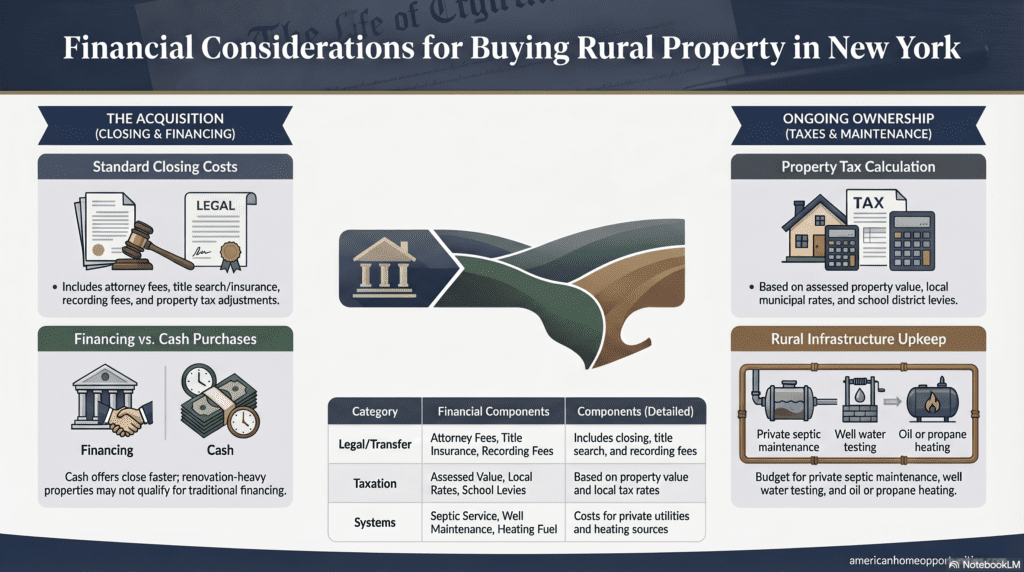
In New York, closing costs can include:
- Attorney fees
- Title search and insurance
- Recording fees
- Property taxes adjustments
The process typically involves legal oversight, which makes it slightly more complex than in some other states. Having a qualified attorney is standard practice and helps ensure everything is handled correctly.
Once the closing is complete, you officially become the owner of your rural property.
Looking for Cheap Rural Property in New York?
What to Check Before Buying Rural Property
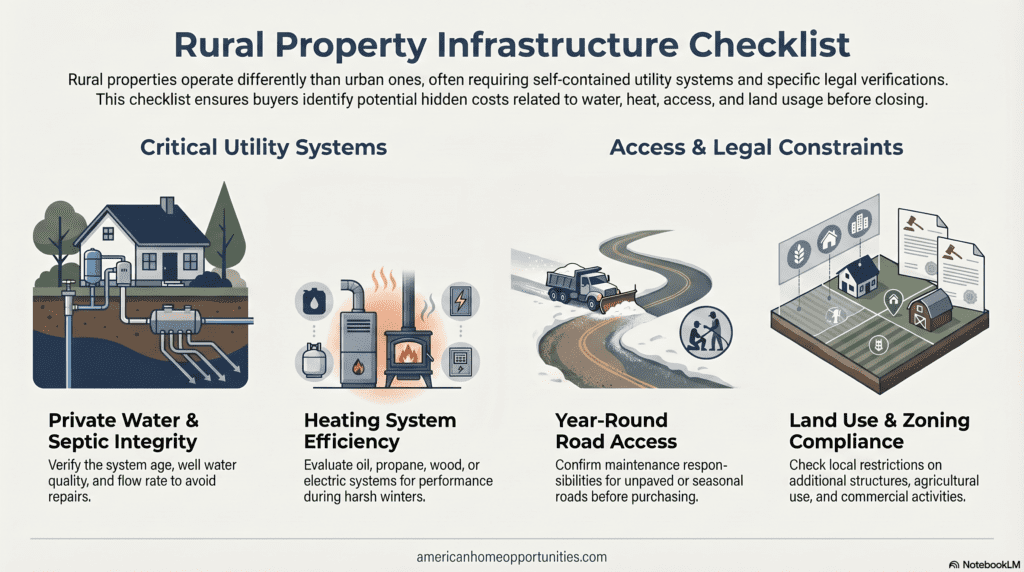
Before purchasing any cheap rural property in New York, it’s critical to evaluate key infrastructure and legal factors that can significantly impact both usability and long-term costs.
Rural properties are very different from urban homes, and overlooking these details can lead to unexpected expenses or limitations after purchase.
Water and Septic Systems
One of the most important aspects of rural homes in New York is how water and waste systems are managed.
Unlike city properties, many rural homes rely on private wells for water and septic systems for waste. The U.S. Environmental Protection Agency (EPA) highlights the importance of proper septic system maintenance and water safety, as failures can lead to costly repairs and environmental issues.
It’s essential to verify:
- The condition and age of the septic system
- Well water quality and flow rate
- Maintenance history
Repairs or replacements can be costly, so having these systems inspected before purchasing is highly recommended.
Heating Systems (Very Important in New York)
Heating is a critical factor when buying property in New York, especially in rural areas where winters can be harsh and long.
Common heating systems include:
- Oil heating
- Propane
- Wood stoves
- Electric baseboard systems
Each option comes with different costs and maintenance requirements.
Understanding the efficiency and condition of the heating system is essential, as heating expenses can represent a significant portion of your annual costs.
Access and Roads
Access is another key consideration that is often overlooked when evaluating cheap rural property in New York.
Some properties may be located on:
- Unpaved roads
- Seasonal roads
- Shared or private access routes
It’s important to confirm:
- Year-round accessibility
- Road maintenance responsibilities
- Ease of access during winter months
Limited or difficult access can affect both daily living and property value over time.
Land Use and Zoning
Understanding zoning regulations is essential when purchasing rural property.
Different areas may have restrictions on:
- Building additional structures
- Agricultural use
- Short-term rentals
- Commercial activities
Before finalizing any purchase, verify local zoning rules to ensure the property aligns with your intended use.
This is especially important if you’re considering long-term investment or income-generating strategies.
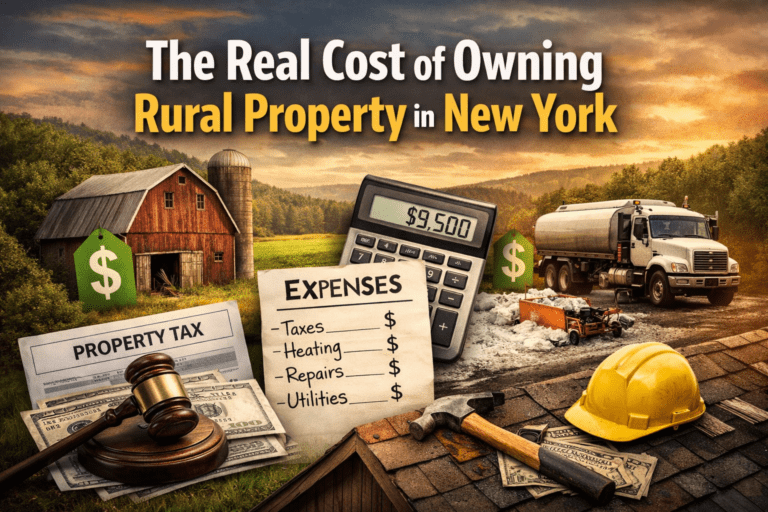
Understanding these factors is essential, but it’s equally important to evaluate the financial side of ownership. To see a full breakdown of expenses, read our detailed guide: The Real Cost of Owning Rural Property in New York.
Financing vs Cash: What Most Buyers Do
When it comes to buying property in New York, one of the most important decisions is whether to finance the purchase or pay in cash.
For many buyers interested in cheap rural property in New York, cash purchases are relatively common, especially at lower price points. This can simplify the process and make offers more attractive to sellers.
However, financing is still an option, depending on the property condition and lender requirements.
Some key differences include:
- Cash buyers often close faster and have stronger negotiating power
- Financed purchases may require property condition standards and appraisals
It’s also worth noting that some rural properties, especially those in need of renovation, may not qualify for traditional financing.
Understanding your financing options early in the process will help you move quickly when the right opportunity appears.
Property Taxes in New York (What You Need to Know)
When evaluating cheap rural property in New York, one of the most important factors to consider is property taxes.
New York is known for having relatively higher property taxes compared to other states, but the actual amount can vary significantly depending on the county and location.
In rural areas, property taxes in New York are often lower than in urban or suburban regions, which is one of the reasons why many buyers look for opportunities outside major cities.
However, it’s important to understand how these taxes are calculated.
Property taxes in New York are calculated based on assessed property value, local tax rates, and school district levies, which often represent a significant portion of the total tax bill. According to the Tax Foundation, New York consistently ranks among the states with higher effective property tax rates, although rural areas tend to be more affordable than urban regions.
For buyers interested in rural property taxes, it’s essential to:
- Review recent tax records
- Understand how assessments may change after purchase
- Factor annual taxes into your long-term budget
Even if the purchase price is low, taxes can still represent a significant ongoing cost, so they should always be included in your overall evaluation.
Common Mistakes When Buying Cheap Property
Buying cheap rural property in New York can be a great opportunity, but there are also common mistakes that many buyers make — especially those new to rural real estate.
One of the most frequent issues is focusing only on the purchase price.
A low price can be attractive, but without understanding the full picture — including repairs, utilities, and taxes — the total cost can quickly increase.
Another common mistake is underestimating renovation needs.
Some properties may look livable at first glance but require significant updates once inspected.
Buyers also often overlook infrastructure, such as:
- Septic systems
- Water supply
- Heating efficiency
Ignoring these factors can lead to unexpected expenses after closing.
Finally, not verifying zoning and land use restrictions can limit what you’re able to do with the property, especially if your goal is to generate income or develop the land.
Avoiding these mistakes is key to making a smart and sustainable investment.
Want Help Finding Cheap Property in New York?
Is Buying Cheap Rural Property in New York Worth It?
For many buyers, the answer is yes — but it depends on your goals and expectations.
Buying cheap rural property in New York can offer a unique combination of affordability, space, and long-term potential that is increasingly difficult to find in more competitive markets.
For those looking to:
- Escape high-cost urban areas
- Invest in land
- Build a self-sufficient lifestyle
- Create rental or income opportunities
Rural New York offers a wide range of possibilities.
However, the real value comes from understanding what you’re buying.
The best opportunities are not always the cheapest properties, but those that balance price, condition, location, and usability.
With the right approach, rural properties can provide both lifestyle benefits and long-term value — especially for buyers who are informed, patient, and willing to act when the right deal appears.
Disclaimer
The information provided in this guide about buying cheap rural property in New York is for informational and educational purposes only.
American Home Opportunities is not a licensed real estate broker, agent, or financial advisor. This content does not constitute legal, financial, or real estate advice.
While we aim to provide accurate and up-to-date information based on publicly available data and general market practices, real estate regulations, costs, and conditions may vary depending on location and individual circumstances.
We strongly recommend that all buyers conduct their own due diligence, verify property details independently, and consult with licensed real estate professionals, attorneys, or financial advisors before making any purchasing decisions.
Additionally, property listings, pricing, taxes, and conditions referenced in related content may change at any time. Always review the official listing sources and visit properties in person whenever possible.