How to Buy Cheap Rural Property in North Carolina (Complete Guide)
Buying cheap rural property in North Carolina is still one of the most realistic ways to own land in the United States without spending hundreds of thousands of dollars. From mountain cabins in the west to quiet farmland in the east, North Carolina offers a wide range of affordable opportunities for buyers looking for space, privacy, and long-term value. In this complete guide, you’ll learn how to buy cheap rural property in North Carolina, where to find the best deals, and what to watch out for before making a decision.
For the numbers behind all of this — what farmland is worth county by county, the property tax spread and the state-specific traps — see our full guide to buying rural property in North Carolina.
Looking for real opportunities instead of just information? Start here:
Why Is Rural Property in North Carolina Still Affordable
Lower Demand Outside Major Cities
Rural areas in North Carolina remain affordable because demand is heavily concentrated around cities like Charlotte, Raleigh, and Durham. This leaves many small towns and countryside areas with lower competition and better pricing. As population growth continues to focus on urban and suburban hubs, rural markets remain less competitive, creating opportunities for buyers who are willing to look beyond major metro areas.
This trend is supported by official data from the U.S. Census Bureau population data, which shows that most population growth continues to concentrate in urban and suburban regions rather than rural counties.
Older Housing Stock and Fixer-Uppers
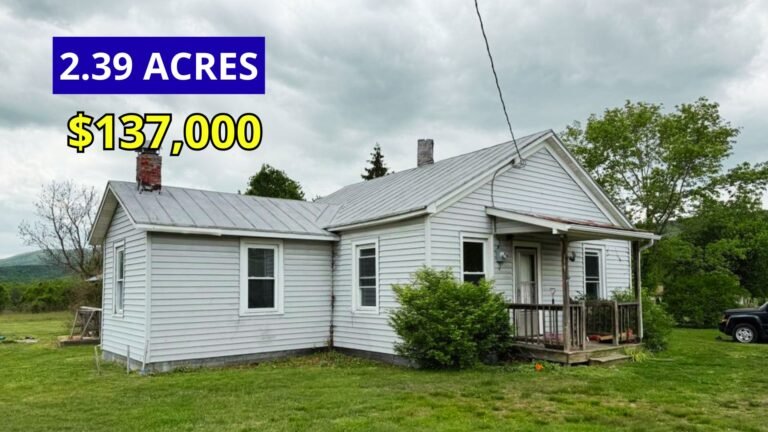
Many properties in rural North Carolina are older homes or farmhouses that require renovation. These properties are often priced significantly lower, making them attractive for buyers willing to invest in improvements. While this creates opportunities, it also requires careful evaluation of repair costs and overall property condition before purchasing.
Large Supply of Land and Agricultural Areas
North Carolina has a strong agricultural tradition, which means there is a consistent supply of land and rural homes available, especially in eastern and central regions. This steady availability helps keep prices lower compared to states with limited land supply or higher development pressure.
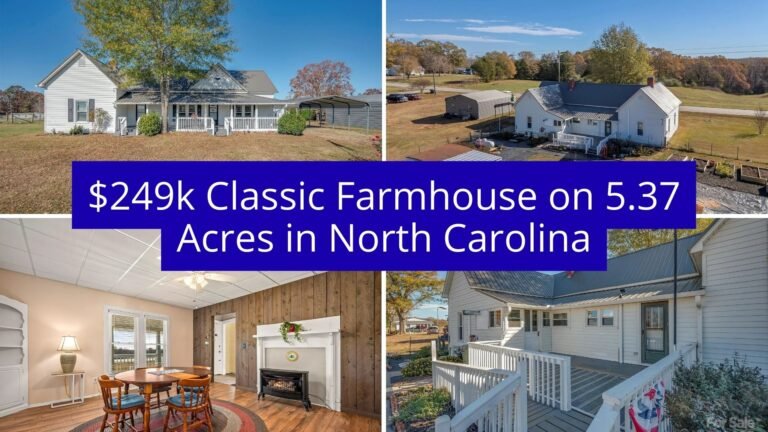
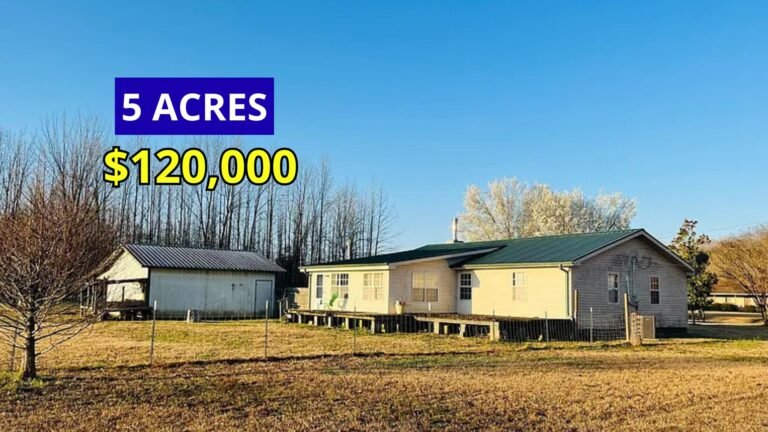
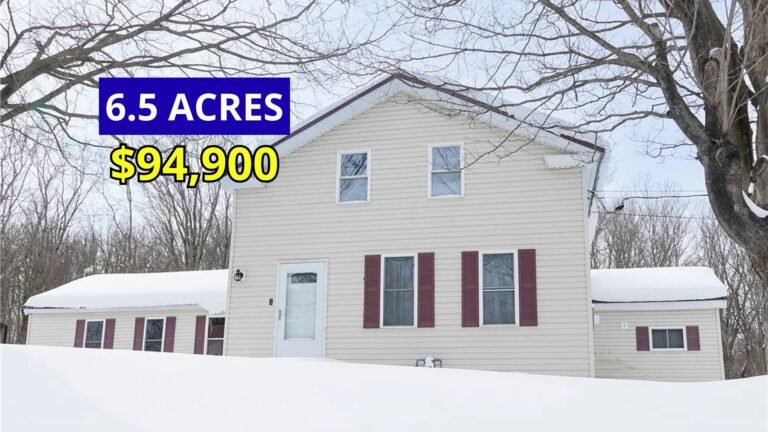
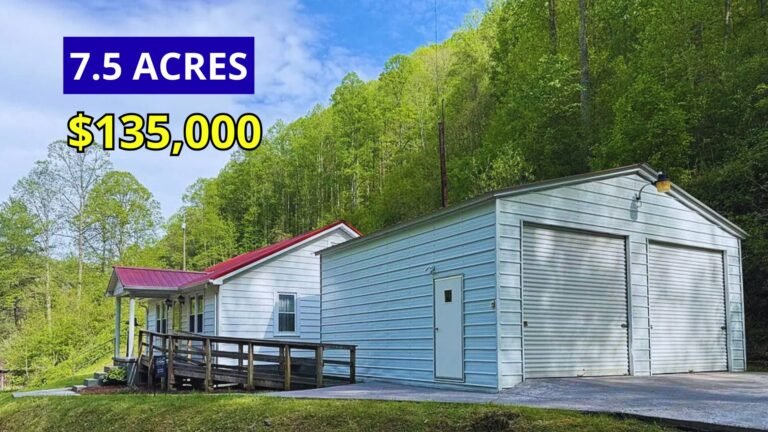
If you want to see real examples of what’s currently available on the market, take a look at our full breakdown of 10 dirt cheap farmhouses in North Carolina with land, where we analyze actual properties, prices, and opportunities across the state.
Best Areas to Buy Cheap Rural Property in North Carolina
Western North Carolina (Mountains)
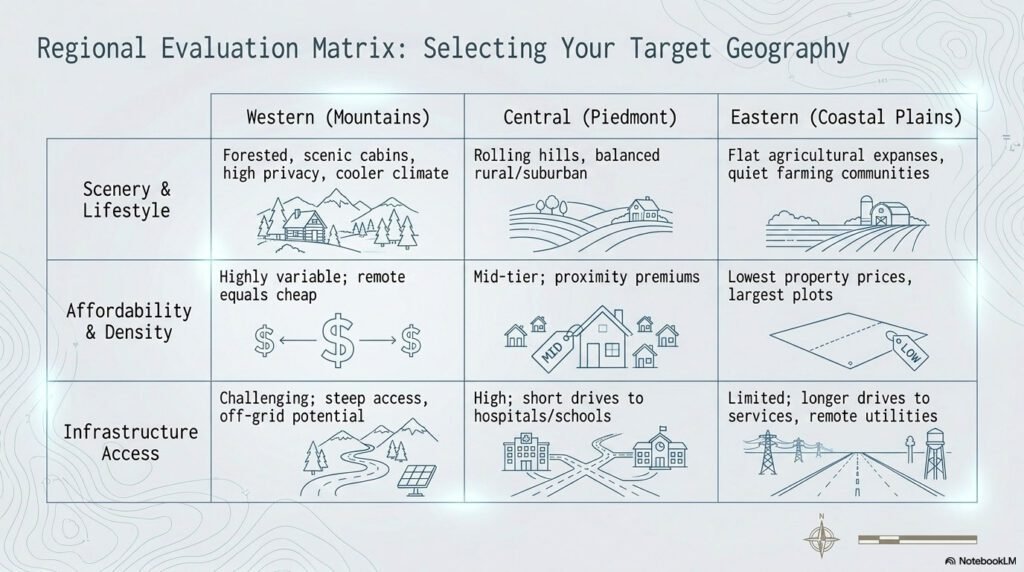
This region includes areas near the Appalachian Mountains and offers scenic landscapes, privacy, and cooler climates. Properties here often include cabins or small farmhouses, many of them surrounded by forested land and natural beauty. While prices can vary depending on proximity to popular destinations, more remote areas still offer excellent value for buyers seeking privacy and a slower pace of life.
Eastern North Carolina (Farmland and Coastal Plains)
Counties in the eastern part of the state tend to have some of the lowest property prices. You’ll find large plots of land and quiet rural communities, often with strong agricultural roots. However, buyers should be aware that these areas may have fewer nearby services, longer driving distances to hospitals or shopping centers, and more limited infrastructure compared to other regions.
Central North Carolina (Balanced Access and Affordability)
Areas located between major cities can offer a balance between affordability and access to infrastructure, including hospitals, schools, and highways. This region is often overlooked by buyers focused only on major metro areas, which creates opportunities to find reasonably priced properties without sacrificing convenience.
What Types of Cheap Rural Properties Can You Find in North Carolina
When searching for cheap rural property in North Carolina, it’s important to understand that “affordable” doesn’t always mean the same type of property. The state offers a wide variety of options depending on your budget, goals, and willingness to renovate or develop.
Farmhouses and Country Homes
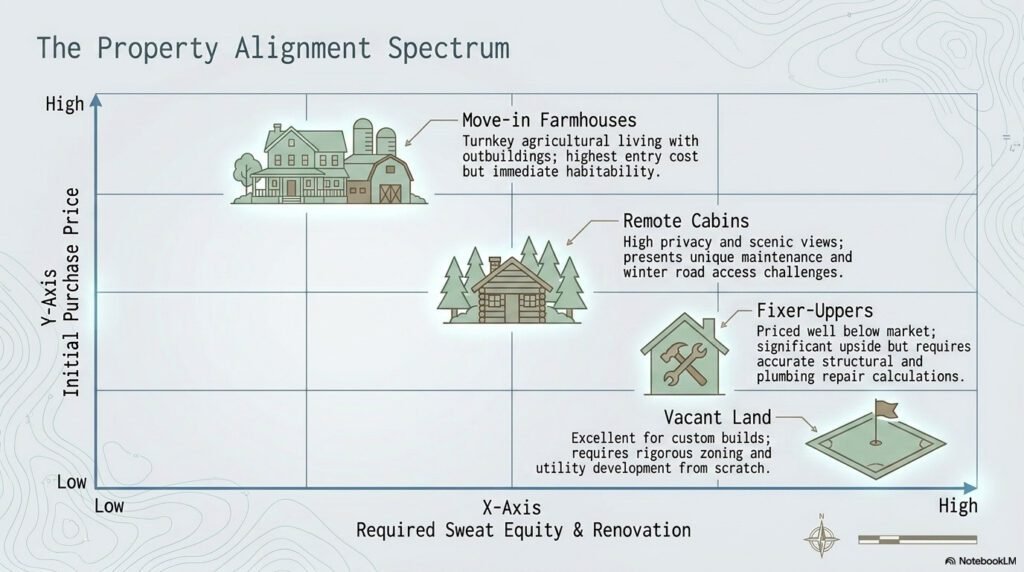
Traditional farmhouses are one of the most common types of rural properties available across North Carolina. Many of these homes come with land, barns, or outbuildings, making them ideal for buyers looking for space and a more self-sufficient lifestyle. While some are move-in ready, others may require updates or full renovations.
Vacant Land and Acreage
For buyers focused on long-term investment or building a custom home, vacant land can offer some of the lowest entry prices. Large plots are especially common in eastern North Carolina, where agricultural land is more abundant. However, buyers should carefully evaluate access to utilities, zoning restrictions, and development costs before purchasing.
Fixer-Uppers and Distressed Properties
One of the most effective ways to buy cheap rural property in North Carolina is by targeting fixer-uppers. These properties are often priced well below market value due to their condition, but they can offer significant upside if renovations are done correctly. Buyers should always calculate repair costs and timelines before committing.
Cabins and Remote Properties
In western North Carolina, especially in mountainous areas, cabins and remote homes are a popular option. These properties often come with scenic views and privacy, but may also present challenges related to access, utilities, and maintenance.
How to Find Cheap Rural Property in North Carolina
Use Real Estate Platforms
Websites like Zillow, Homes.com, and Realtor.com are the most common starting points for finding cheap rural property in North Carolina. These platforms allow you to filter by price, lot size, and property type, making it easier to identify undervalued opportunities and compare listings across different regions.
Work With Local Real Estate Agents
Local real estate agents often have access to off-market deals or properties that haven’t gained national visibility yet. Working with an agent who specializes in rural property can also help you better understand local market conditions, zoning regulations, and potential risks that may not be obvious from online listings.
Look for Properties With Longer Days on Market
Listings that have been on the market for extended periods often present opportunities for negotiation and lower purchase prices. Sellers may be more flexible, especially if the property requires repairs or has limited buyer interest due to location or condition.
Common Mistakes to Avoid When Buying Rural Property
Buying cheap rural property in North Carolina can be a great opportunity, but many buyers make costly mistakes that can turn a good deal into a long-term problem. Understanding these risks in advance can help you make a smarter investment.
Underestimating Renovation Costs
One of the most common mistakes is assuming that repairs will be minimal or inexpensive. In reality, older rural homes can require significant work, including roofing, structural repairs, plumbing, and electrical updates. Always get a realistic estimate before moving forward.
Ignoring Utility Limitations
Not all rural properties have easy access to electricity, water, or high-speed internet. In some cases, installing or upgrading these services can cost thousands of dollars. Buyers should verify all utility connections before purchasing.
Overlooking Location Practicality
A property may look like a great deal on paper, but its location can create challenges. Long distances to hospitals, grocery stores, or major highways can impact both daily life and resale value. It’s important to evaluate not just the property, but also the surrounding area.
Skipping Proper Inspections
Trying to save money by skipping inspections is a major risk. Issues with septic systems, wells, foundations, or roofing can quickly turn into expensive problems. Professional inspections are essential when buying rural property.
What to Watch Out for Before Buying
Septic Systems and Water Supply
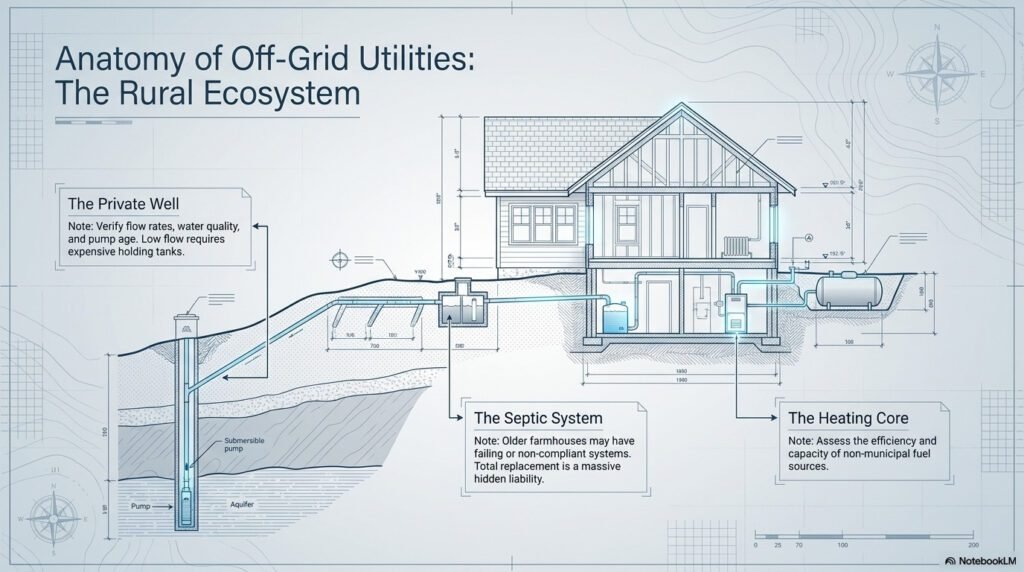
Many rural properties rely on septic systems and private wells instead of municipal utilities. Inspections are critical to avoid costly repairs or replacements, especially in older homes where systems may not meet current standards. A professional inspection can help identify issues early and give you a clearer picture of the total investment required.
Access and Road Conditions
Some rural properties may have limited access, easements, or unpaved roads, which can affect both daily usability and long-term value. It’s important to verify legal access to the property and evaluate road conditions, particularly during bad weather, as this can impact transportation, maintenance, and even financing options.
Property Condition and Renovation Costs
Cheap properties often require repairs, sometimes more extensive than they initially appear. Always estimate renovation costs before making an offer, including structural work, roofing, electrical systems, and plumbing. Factoring these costs in advance will help you avoid turning a good deal into an expensive mistake.
Financing Options for Rural Property
Cash Purchases
Many cheap rural properties are purchased in cash, especially those priced below traditional mortgage thresholds. Cash purchases can simplify the buying process, make offers more competitive, and eliminate delays associated with loan approvals.
Conventional Loans and Limitations
Not all lenders finance rural or fixer-upper properties, particularly those in poor condition or located in very remote areas. Buyers should confirm eligibility early in the process and be prepared for stricter requirements related to property condition, appraisal, and location.
USDA Loans
The loan programs offered by the United States Department of Agriculture rural development loans may apply to certain rural properties and can provide favorable terms, including low or no down payment options. However, these programs come with income limits, location restrictions, and property requirements that buyers must meet.
Legal and Zoning Considerations in North Carolina
Before buying cheap rural property in North Carolina, it’s essential to understand the legal and zoning framework that applies to the land. These factors can directly impact how you use the property and whether your plans are even possible.
Zoning Restrictions
Each county in North Carolina has its own zoning regulations, which determine how land can be used. Some properties may be restricted to agricultural or residential use, while others may have limitations on building additional structures or operating certain types of businesses.
Building Permits and Regulations
If you plan to build, expand, or significantly renovate a property, you’ll likely need permits from the local authorities. Requirements vary by county, so it’s important to confirm what is allowed before purchasing.
Property Boundaries and Surveys
In rural areas, property boundaries are not always clearly marked. A professional survey can help avoid disputes with neighbors and ensure that you fully understand what you’re buying.
Environmental Factors
Some rural properties may be affected by flood zones, wetlands, or protected land regulations. Checking these factors in advance can prevent unexpected limitations or additional costs. You can review official flood risk maps through the FEMA flood map service.
Hidden Costs of Buying Rural Property
Closing Costs
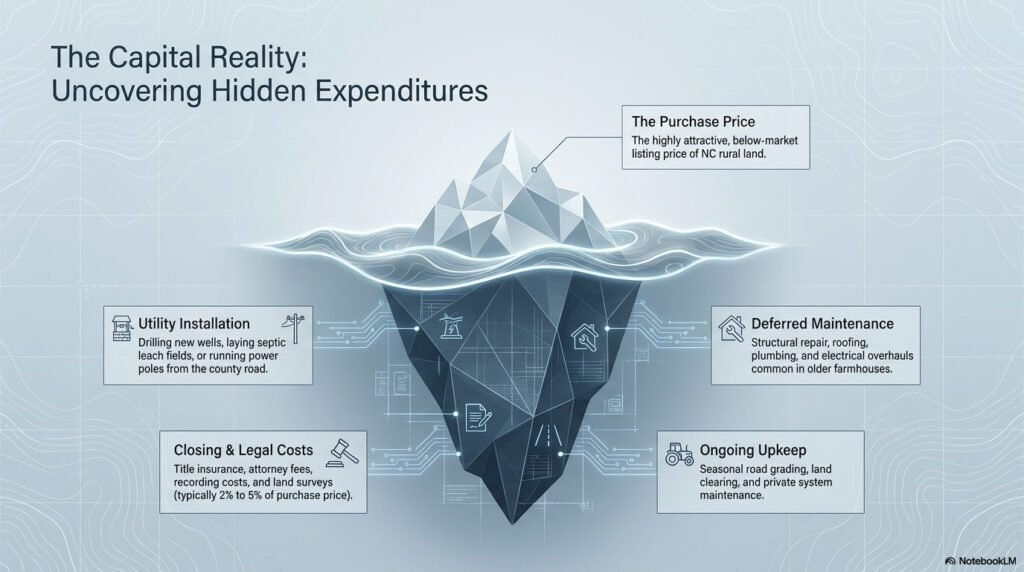
Buyers should expect closing costs typically ranging from 2% to 5% of the purchase price, including title insurance, legal fees, and recording costs. These expenses can vary depending on the transaction and location, but they are an essential part of the total investment that should not be overlooked. According to the average closing costs in the United States, these additional expenses can significantly impact your final budget.
Utilities and Infrastructure
Setting up electricity, water, or internet in rural areas can be more expensive than in urban locations. In some cases, properties may not be connected to public utilities, requiring installation of wells, septic systems, or alternative energy solutions. Internet access can also be limited or require satellite services, which may involve higher costs and lower speeds.
Ongoing Maintenance
Large properties often require ongoing maintenance, including land clearing, repairs, and seasonal upkeep. This is especially true for properties with acreage, outbuildings, or older structures. Buyers should factor in these recurring costs when evaluating the long-term affordability of rural property ownership.
Is Buying Cheap Rural Property in North Carolina a Good Investment
Buying cheap rural property in North Carolina can be a strong long-term investment, especially for buyers seeking space, lifestyle benefits, or future appreciation. The combination of relatively low entry prices, increasing interest in rural living, and the state’s diverse geography makes it an attractive option for many buyers. However, success depends on careful research, realistic budgeting, and understanding the unique challenges of rural ownership.
Before making a final decision, it’s essential to fully understand the real financial implications of owning rural property. For a detailed breakdown of taxes, utilities, and hidden expenses, make sure to read our complete guide on the real cost of owning rural property in North Carolina.
Ready to take the next step? Explore all available properties here:
Disclaimer
This article is for informational purposes only and does not constitute financial, legal, or real estate advice. Property prices, taxes, regulations, and market conditions may change over time and vary by location. Buyers should conduct their own due diligence and consult with licensed real estate agents, attorneys, or financial advisors before making any purchase decisions.