
Barndominium Insurance: What Underwriters Ask, and What It Costs
Barndominium insurance comes down to three questions. And on cheap land, a year of it can cost as much as an acre.
Barndominium insurance is not hard to find because the building is metal. It is hard because the underwriter has to answer three questions the standard homeowners system was never built for — what the house is actually made of, what it would cost to rebuild, and what goes on in the shop at the other end of it. Put those three answers on paper before you ask for a quote and most of the difficulty goes away.
The price of the policy is a separate story. There is no government series for barndominium insurance cost, so nobody can honestly quote you a premium per square foot. What does exist is the average homeowners premium in every state, compiled from state regulators by the National Association of Insurance Commissioners, and it runs from $893 a year in Oregon to $2,677 in Florida. That is the number this page works from.
And because a barndominium is almost always a rural build on acreage, we set that premium next to the land underneath it. In Texas and Oklahoma, a year of the average homeowners premium costs about the same as an acre of pasture. In 41 of the 48 states the USDA surveys, thirty years of premiums add up to more than five acres, before a single rate increase. On cheap land, the insurance is the cost that keeps coming back.
Below: why barndominiums get flagged, how to insure the rebuild instead of the price, where the shop falls through the policy, what a metal roof changes about hail and wind, the premium against the land in all 48 states, builder’s risk during construction, and what a mortgage lender will require.
Barndominium insurance: the numbers in short
Why barndominium insurance is harder to get
Most homeowners policies are priced by software that already knows the house: wood frame, drywall, asphalt shingles, a floor plan that looks like thousands of others in the county. A barndominium breaks that pattern at three points, and each one is a question the underwriter has to settle before quoting.
Question one: what is it actually built of?
“Barndominium” describes a look, not a structure. Some are true steel buildings, with a bolted red-iron frame, steel purlins and metal panels. Many more are post-frame: wood posts on piers or in the ground, wood trusses and a metal skin, which makes them wood-frame buildings in everything but appearance. The plan says barndominium either way, and an underwriter who can’t tell which one is on the application tends to price the harder case, or pass.
That distinction feeds the fire rating, the wind rating and the rebuild estimate. It is why stamped plans, the kit supplier’s engineering package and the builder’s specification sheet are the most useful documents you can attach to an application.
Question two: what would it cost to rebuild?
Replacement-cost estimators are built on conventional houses. A 40 by 60 foot clear span with 14-foot sidewalls, a mezzanine and an attached shop doesn’t match anything in the database, so the estimate comes back too low, too high or not at all. Too low is the dangerous one, for reasons the next section puts in dollars.
Question three: what happens in the shop?
The attached shop is the reason many people build a barndominium in the first place, and it is exactly where a homeowners policy starts asking about business use, equipment, vehicles and fuel. We cover it in its own section below.
| What the underwriter needs | Why it matters | What to have ready |
|---|---|---|
| Steel or post-frame | The fire rating, the wind rating and the rebuild estimate all depend on it. | Stamped plans, the kit’s engineering package, the builder’s spec sheet. |
| Rebuild cost | Estimators have no template for clear spans, mezzanines and attached shops. | The builder’s contract or a line-item estimate for the finished house. |
| Shop use | Business activity changes both property and liability coverage. | A plain description: storage, hobby, or paid work. |
| The roof | Hail and wind cause the largest share of homeowners losses. | Panel gauge, fastener system and any UL 2218 impact rating. |
| Fire protection | Beyond five road miles from a station, the fire class drops to 10. | Road miles to the nearest station, distance to a hydrant or other water supply. |
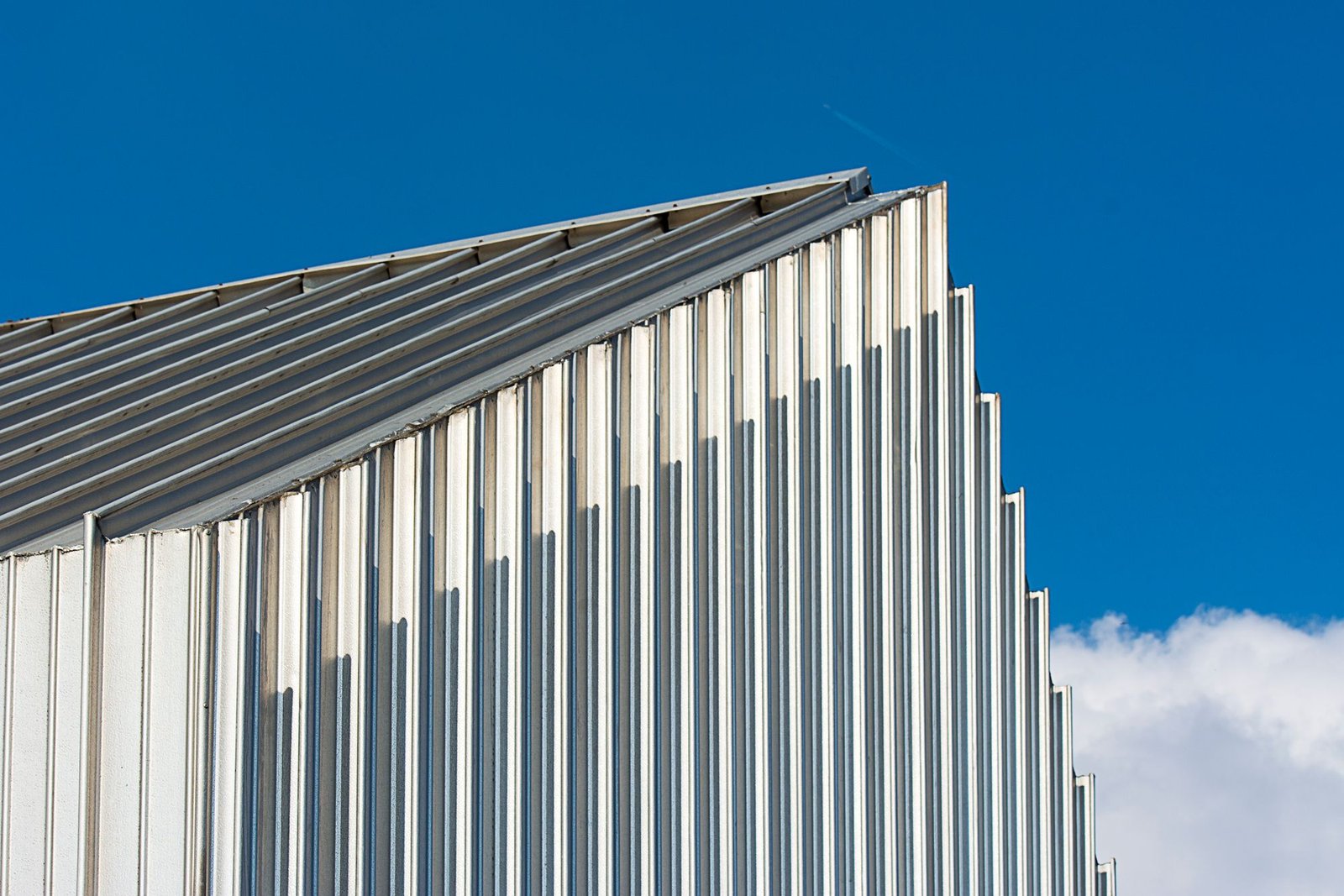
Insure the rebuild, not the price
Three different numbers get attached to a barndominium, and only one of them belongs on the policy. The purchase price includes land, which doesn’t burn and is never insured. The kit price is the cost of a shell. The number the policy needs is what it would cost to rebuild the finished house on that site, at today’s labor and material prices.
On a barndominium the gap between those numbers is unusually wide. The kit and its erection run roughly $35 to $50 per square foot in industry guidance, or $70,000 to $100,000 on 2,000 square feet, while the finished house falls anywhere from $65 to $160 per square foot, as our barndominium cost breakdown shows. Insure from the shell figure and the policy can cover less than half the building.
The standard homeowners form enforces this through the 80% rule. On the ISO HO-3 policy, the insurer pays the full cost to repair or replace, without depreciation, only if the house is insured for at least 80% of its full replacement cost at the time of the loss. Below that line, the payout shrinks in proportion.
A worked example on the standard ISO HO-3 form
The same hailstorm, insured two ways
Payout below the floor: ($40,000 − $2,500) × $150,000 ÷ $176,000 = $31,960. The form pays the larger of that figure or the depreciated value of the damage. The $220,000 building is the midpoint of the industry range used on our barndominium cost page.
The $5,540 shortfall on a partial loss is the small version of the problem. A policy never pays more than its limit, so after a total loss the barndominium insured at $150,000 comes back $70,000 short of a $220,000 rebuild, whatever the percentage says.
Land is never insured. On a rural barndominium the purchase price is the wrong number twice: it includes ground the policy won’t cover, and it may rest on a shell price the policy will have to rebuild finished.
The shop is where coverage gets thin
Most barndominiums put a shop under the same roof as the house, and the standard homeowners form counts structures attached to the dwelling as part of the dwelling. That is good news for the building itself: the shop walls and slab sit under the dwelling limit. The fine print is about what happens inside.
- Business property is capped. The ISO HO-3 form limits property used primarily for business to $2,500 on the residence premises. A welder, a lift or a trailer of inventory can exceed that on a single item.
- Business liability is excluded. Section II of the form excludes bodily injury and property damage arising out of a business conducted from the insured location. A customer who trips in the shop is not a homeowners claim.
- “Business” is defined broadly. It covers a trade or occupation on a full-time, part-time or occasional basis, and any activity done for money, with a narrow exception for activities that bring in less than $2,000 a year.
- A detached shop is another matter. Other structures are covered at 10% of the dwelling limit, and any other structure from which a business is conducted is excluded outright.
None of this means a working shop can’t be insured. It means it is a separate conversation: a home business endorsement, a stand-alone in-home business policy, a farm and ranch policy if there is livestock or hay, or a commercial policy for a real operation. The expensive mistake is assuming the homeowners policy already covers it because the shop shares a wall with the kitchen.
Hail, wind and fire: what a metal building changes
Wind and hail were the largest single cause of homeowners losses in ISO’s 2023 breakdown, at 42.5% of the total, roughly twice fire and lightning at 21.6%. ISO’s breakdown leaves Texas out entirely. For a barndominium on open land, that is the peril that matters most, and it is also where a metal roof can help or hurt the premium.
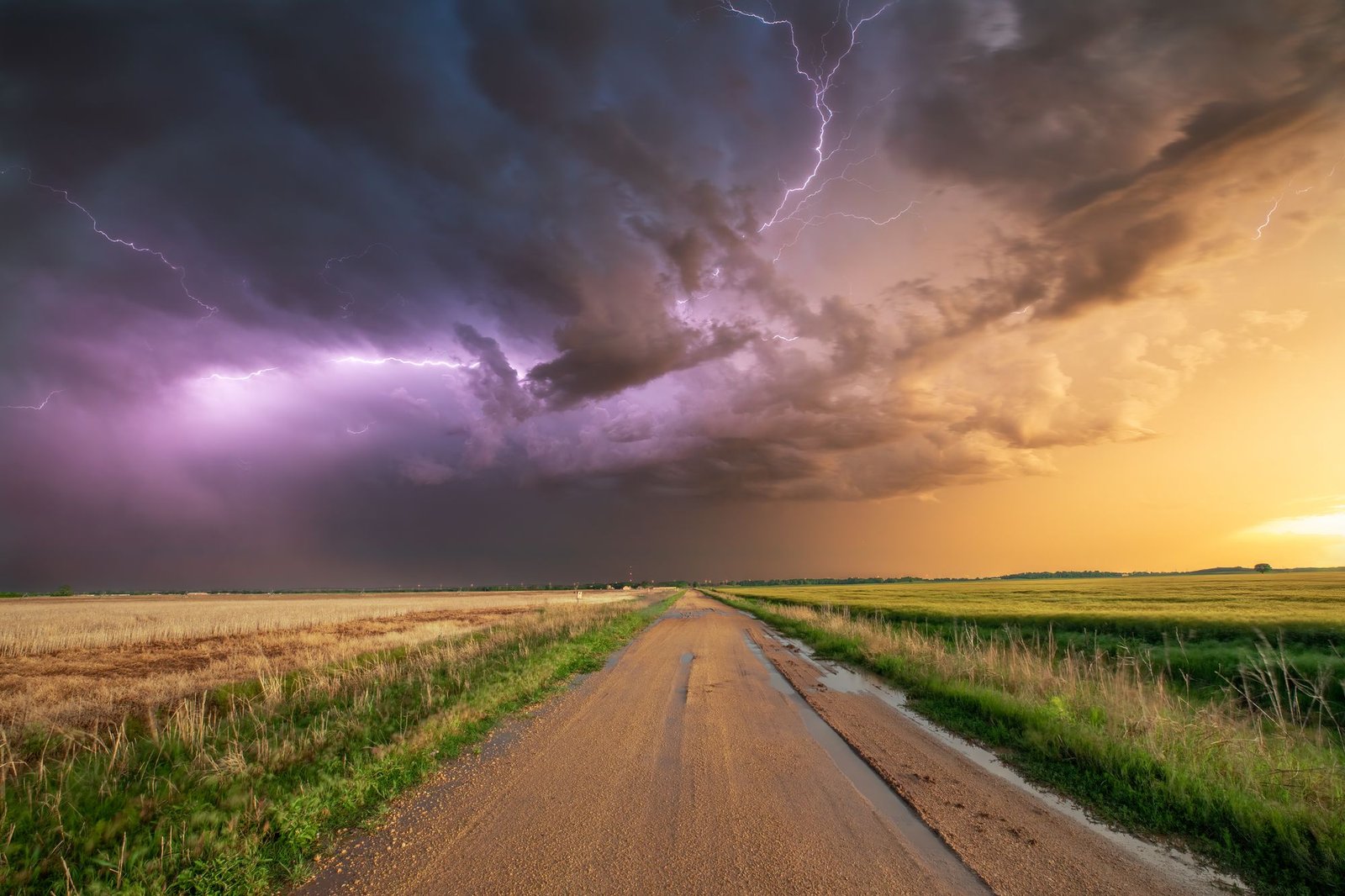
Metal roofs and hail
The question a metal roof raises after a hailstorm is simple: dented, or damaged? Many carriers attach a cosmetic damage exclusion: the roof is covered if hail punctures it or lets water in, but not for dents alone. Texas set the terms in a 1998 bulletin from its insurance commissioner. Under it, insurers must give a premium credit for roof coverings that meet UL Standard 2218 for impact resistance, from 1% to 35% of a homeowners premium depending on the rating class and territory, and the cosmetic exclusion applies only if the policyholder signs for it.
Outside Texas the rules vary by state and by carrier, but the three questions are the same everywhere: is the roof covered at replacement cost or at depreciated value, does a cosmetic exclusion apply, and does an impact rating earn a credit.
Wind
Alabama goes further than most states. Since 2009, state law has required insurers to give a premium discount or rate reduction on the wind portion of the policy for homes that meet the FORTIFIED standards of the Insurance Institute for Business & Home Safety. The certification is issued per house, so it is worth asking about at the design stage, while the roof is still on paper.
Fire and distance
Steel doesn’t burn, and a metal skin holds up well against embers from the outside. Inside, a barndominium burns like any other house, and a post-frame one has wood behind the metal. The fire rating that moves the price most has nothing to do with the walls, though. ISO’s Public Protection Classification grades local fire protection from 1 to 10, and any building more than five road miles from a fire station, or outside a department’s service area, is class 10. A great deal of cheap rural land sits exactly there.
Flood
Standard homeowners policies exclude flood. Flood coverage for a house comes from the National Flood Insurance Program or a private carrier, and a federally backed mortgage on a building in a mapped high-risk flood zone requires it. Check the FEMA flood map for the building site on the parcel before you pour the slab, not after.
Barndominium insurance against the land it sits on
This is the comparison no insurance site runs, because insurance sites don’t sell land. A barndominium buyer is buying both, and in the states where land is cheapest, the insurance bill is the part that keeps coming back every year.
We took the average homeowners premium in each state from the NAIC’s latest state-by-state report, HO-3 policies with 2022 data, and set it against the USDA’s 2026 value for an acre of pasture. The result is how much land one year of insurance is worth.
One year of the average homeowners premium
Measured in acres of pasture
Average HO-3 homeowners premium by state (NAIC, 2022 data) divided by the USDA 2026 value of an acre of pasture in the same state.
In Wyoming and New Mexico, a year of the state’s average premium would buy more than two acres. In Texas and Oklahoma, where hail and wind push premiums into the top five in the country, it buys about one. In New Jersey it buys less than a tenth of an acre.
Two caveats, and both matter. The premium is the average across every HO-3 policy in the state, not a barndominium quote, and it dates from 2022. The NAIC’s own national analysis found that the average premium per policy rose between 18.3% and 43.3% after inflation from 2018 to 2024, depending on the region. And the thirty-year figure is a plain sum with no increases at all. Both caveats push the real number up, not down.
Premium against land in all 48 states
Sorted by how many years of the average premium equal five acres of pasture, fewest first. The pattern lines up with the states we cover: the Plains and the Gulf South pair cheap land with some of the highest premiums in the country, and our guides to buying land in Texas and buying land in Alabama go county by county on the land side.
| State | Avg. homeowners premium (2022) | Pasture per acre (2026) | One year of premium buys | Years of premium = 5 acres |
|---|---|---|---|---|
| Wyoming | $1,596 | $770 | 2.07 acres | 2.4 |
| New Mexico | $1,322 | $650 | 2.03 acres | 2.5 |
| Colorado | $2,079 | $1,200 | 1.73 acres | 2.9 |
| Montana | $1,639 | $940 | 1.74 acres | 2.9 |
| South Dakota | $1,756 | $1,400 | 1.25 acres | 4.0 |
| Nebraska | $1,869 | $1,590 | 1.18 acres | 4.3 |
| Washington | $1,151 | $980 | 1.17 acres | 4.3 |
| North Dakota | $1,325 | $1,200 | 1.10 acres | 4.5 |
| Nevada | $948 | $870 | 1.09 acres | 4.6 |
| Arizona | $1,018 | $980 | 1.04 acres | 4.8 |
| Oklahoma | $2,268 | $2,200 | 1.03 acres | 4.9 |
| Texas | $2,397 | $2,420 | 0.99 acres | 5.0 |
| New York | $1,628 | $2,040 | 0.80 acres | 6.3 |
| Oregon | $893 | $1,120 | 0.80 acres | 6.3 |
| Minnesota | $1,774 | $2,400 | 0.74 acres | 6.8 |
| Louisiana | $2,603 | $3,600 | 0.72 acres | 6.9 |
| Kansas | $1,583 | $2,400 | 0.66 acres | 7.6 |
| Missouri | $1,668 | $2,850 | 0.59 acres | 8.5 |
| Mississippi | $1,907 | $3,310 | 0.58 acres | 8.7 |
| Alabama | $1,748 | $3,500 | 0.50 acres | 10.0 |
| Arkansas | $1,740 | $3,500 | 0.50 acres | 10.1 |
| Utah | $937 | $2,000 | 0.47 acres | 10.7 |
| West Virginia | $1,113 | $2,400 | 0.46 acres | 10.8 |
| Indiana | $1,191 | $2,850 | 0.42 acres | 12.0 |
| Idaho | $1,002 | $2,500 | 0.40 acres | 12.5 |
| Maine | $1,077 | $2,700 | 0.40 acres | 12.5 |
| Vermont | $1,109 | $2,920 | 0.38 acres | 13.2 |
| California | $1,492 | $4,250 | 0.35 acres | 14.2 |
| Florida | $2,677 | $7,650 | 0.35 acres | 14.3 |
| South Carolina | $1,571 | $4,500 | 0.35 acres | 14.3 |
| Kentucky | $1,359 | $4,050 | 0.34 acres | 14.9 |
| Iowa | $1,268 | $3,800 | 0.33 acres | 15.0 |
| Michigan | $1,056 | $3,200 | 0.33 acres | 15.2 |
| Georgia | $1,655 | $5,100 | 0.32 acres | 15.4 |
| Illinois | $1,343 | $4,300 | 0.31 acres | 16.0 |
| Wisconsin | $957 | $3,500 | 0.27 acres | 18.3 |
| Pennsylvania | $1,120 | $4,350 | 0.26 acres | 19.4 |
| North Carolina | $1,621 | $6,380 | 0.25 acres | 19.7 |
| Tennessee | $1,492 | $5,910 | 0.25 acres | 19.8 |
| Virginia | $1,332 | $5,430 | 0.25 acres | 20.4 |
| Ohio | $995 | $4,250 | 0.23 acres | 21.4 |
| Maryland | $1,392 | $8,300 | 0.17 acres | 29.8 |
| New Hampshire | $1,188 | $8,120 | 0.15 acres | 34.2 |
| Delaware | $1,103 | $7,800 | 0.14 acres | 35.4 |
| Connecticut | $1,814 | $13,000 | 0.14 acres | 35.8 |
| Massachusetts | $1,871 | $15,400 | 0.12 acres | 41.2 |
| Rhode Island | $2,074 | $17,500 | 0.12 acres | 42.2 |
| New Jersey | $1,417 | $15,600 | 0.09 acres | 55.0 |
Before it has a roof: builder’s risk insurance
A homeowners policy is written for a finished, occupied house. For the months when the barndominium is a slab, a stack of steel and a half-closed shell, the coverage is builder’s risk insurance, a separate policy for property under construction. A job site carries theft, wind and fire exposures that a finished house doesn’t, and a delivered kit sitting on open acreage is exactly that exposure.
Three things to settle before the kit arrives:
- Who carries it. You or your builder, and whether the builder’s policy covers materials you bought directly from the kit supplier.
- When it ends. Normally at completion or occupancy, so the homeowners policy has to start the same day.
- What the lender requires. Whether your construction lender requires it, and for how much.
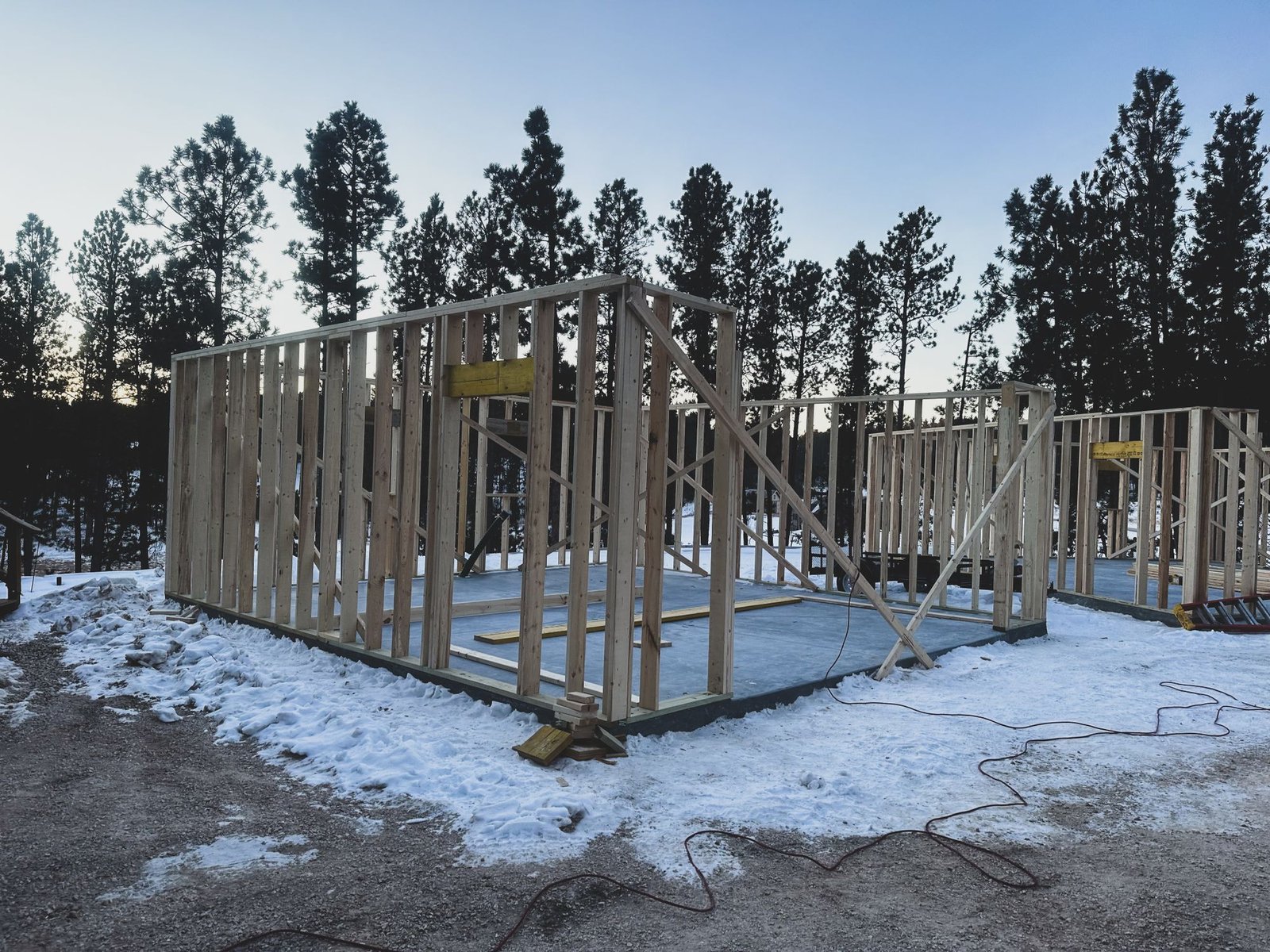
What a mortgage lender will require
If the barndominium is financed with a conventional loan sold to Fannie Mae, the insurance terms are spelled out in Fannie Mae’s Selling Guide. The policy has to cover the building on a replacement-cost basis. The roof is the one exception: it must be insured, but not necessarily at replacement cost. And the deductible can’t exceed 5% of the coverage amount, which on a $220,000 policy is $11,000.
Portfolio lenders, the banks and farm credit associations that keep loans on their own books, set their own terms and can be stricter about construction type. Ask for the insurance requirements in writing before you choose a lender, because the insurance binder is one of the last documents a closing needs, and the worst time to discover a mismatch.
What to have ready before you ask for a barndominium insurance quote
- Stamped plans and the kit’s engineering package, showing whether the frame is steel or post-frame.
- The builder’s contract or a line-item estimate for the finished house, for the rebuild figure.
- Roof details: panel gauge, fastening system and any UL 2218 impact rating.
- Road miles to the nearest fire station, and the distance to the nearest hydrant or other water supply.
- The FEMA flood zone for the building site.
- A plain description of the shop: what is stored there, what is done there, and whether anyone pays for it.
- Any livestock, hay, fuel storage or outbuildings on the parcel.
Then get quotes from more than one kind of seller. An independent agent can shop several carriers at once, and farm-focused carriers are worth including, since a barndominium on acreage sits close to what they already insure.
Common questions about barndominium insurance
Is it hard to insure a barndominium?
It can be, for three reasons unrelated to the metal. The underwriter needs to know whether the frame is steel or wood post-frame, what the finished house would cost to rebuild, and whether the attached shop is used for business. Stamped plans, a builder’s estimate and a clear answer on the shop make it far easier to place.
How much does barndominium insurance cost?
There is no official figure for barndominiums specifically. The closest primary data is the NAIC’s average homeowners premium by state: $1,569 a year nationally for HO-3 policies in 2022, ranging from $893 in Oregon to $2,677 in Florida. A barndominium quote then moves with its rebuild cost, roof, fire protection class and shop use.
Is barndominium insurance more expensive than for a regular house?
Not automatically. The same factors price both: rebuild cost, location, roof, distance to a fire station and claims history. A barndominium tends to cost more to insure when it sits far from fire protection, in hail country, or when the carrier cannot classify the construction and prices in the uncertainty. Documented plans remove most of that uncertainty.
Does homeowners insurance cover the shop in a barndominium?
The building, usually yes: the standard ISO homeowners form counts attached structures as part of the dwelling. What happens inside is the problem. Business property is capped at $2,500 on the premises, liability from a business run there is excluded, and a detached shop used for business is excluded from other-structures coverage altogether.
Does a metal roof lower barndominium insurance?
It can. In Texas, insurers must give a premium credit of 1% to 35% for roofs that meet the UL 2218 impact standard. But many carriers pair metal roofs with a cosmetic damage exclusion, which denies claims for dents that don’t let water in. In Texas, that exclusion applies only if the policyholder signs for it.
How much should you insure a barndominium for?
For the cost to rebuild the finished house, not the purchase price and not the kit price. Land is never insured. The standard homeowners form pays full replacement cost only if coverage is at least 80% of the rebuild cost at the time of the loss. On a $220,000 barndominium, that minimum is $176,000.
Do you need builder’s risk insurance to build a barndominium?
Usually, yes. A homeowners policy is written for a finished, occupied house, so it doesn’t fit a building under construction. Builder’s risk insurance covers the structure and materials on site while it goes up. Either the owner or the builder can carry it, a construction lender will set its own requirement, and it ends at completion.
Where to look next
Insurance is the cost that recurs. These cover the one-time costs: the building, and the land it goes on.
 Build cost
How Much Does It Cost to Build a Barndominium?
$65 to $160 per square foot for the building, and the land that no cost guide includes, in all 48 states.Read the guide →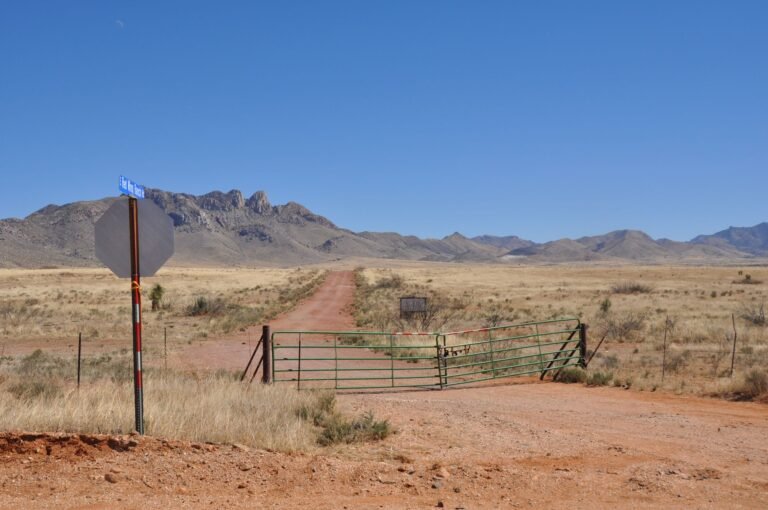 Texas
TexasBuying Land in Texas
Cheap land, the third-highest premiums in the country, and the rules of the land county by county.Read the guide →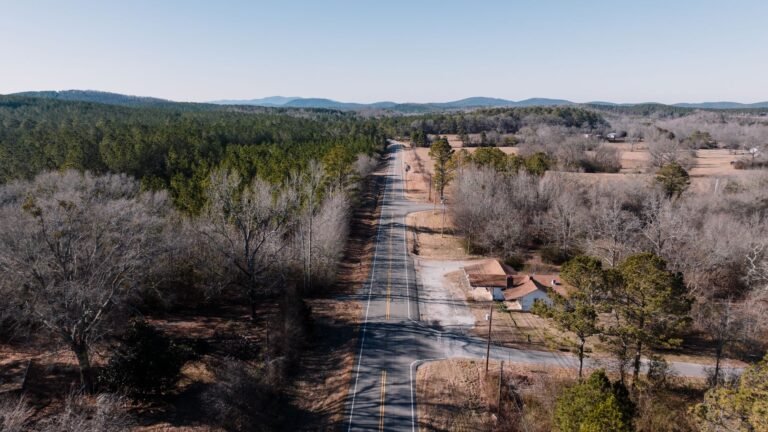 Alabama
Buying Land in Alabama
The cheapest region to build in, and the state that makes insurers discount FORTIFIED homes.Read the guide →For every other state, our rural property guides go state by state, and the cheapest states to buy land ranks all 48 on the land side.
The next barndominium guide, when it goes up
Financing is next in this series: who actually lends on a barndominium, and on what terms. Leave your email and you will get it, plus every data guide we publish, as each one goes up.
Sources
- National Association of Insurance Commissioners, Homeowners Insurance Report: Data for 2022, released May 21, 2025. Average HO-3 premium by state, as tabulated by the Insurance Information Institute in Facts + Statistics: Homeowners and renters insurance. The same page reports ISO’s homeowners losses by cause for 2023, which exclude Alaska, Texas and Puerto Rico.
- National Association of Insurance Commissioners, national analysis of homeowners insurance market trends, 2018 to 2024, released August 5, 2026.
- ISO homeowners policy form HO 00 03 05 11, as filed with the Nevada Division of Insurance. Coverage A and B, special limits on business property, the business exclusion and the loss settlement condition. Individual carriers use later editions and their own forms; read your own policy.
- Fannie Mae, Selling Guide B7-3-02, Property Insurance Requirements for One- to Four-Unit Properties, updated August 5, 2026.
- Texas Department of Insurance, Commissioner’s Bulletin B-0030-98, roof covering credits and the cosmetic damage endorsement, and FAQ: Public Protection Classification.
- Code of Alabama, Section 27-31D-2, premium discount or rate reduction for FORTIFIED homes.
- FEMA, Flood Map Service Center.
- USDA National Agricultural Statistics Service, Land Values 2026 Summary, released July 31, 2026. Pasture value per acre by state.
- The $65 to $160 per square foot building range and the $35 to $50 shell figure are industry cost guidance, not government data. Our barndominium cost page sets out where they come from and compares them against the Census Bureau.
Before you act on any of this
American Home Opportunities is a publisher. We are not an insurance company, insurance agent or broker, licensed insurance producer, adjuster, builder, real estate broker or agent, lender, appraiser, attorney, tax professional or financial advisor, and nothing on this page is insurance, legal, construction, investment, tax or financial advice. We do not sell or recommend insurance. The figures here are statewide averages and published policy terms. They are not a quote and will not predict what any specific building will cost to insure.
Policy forms, premiums, discounts and underwriting rules differ by carrier and by state, and they change. The terms described here come from the standard ISO homeowners form and the public sources listed above; your own policy may read differently, and the policy wording always controls. A rural build carries questions no national average can answer: wind, hail, wildfire and flood exposure, distance to fire protection, construction type and engineering, business use, well, septic, access and easements, and lender requirements. Before you commit money, confirm coverage in writing with a licensed insurance agent in your state, read the policy itself, and check lender requirements, local building rules and the flood zone with the relevant authorities.