
Rural Property Guides
The rules, the costs and the traps of buying land and an old house in rural America.
Most of what stops a cheap rural house from selling has nothing to do with the house. It is a mortgage rule, an insurance underwriter, a septic permit, a road that no lender will accept, or a single word typed into a listing form. These guides explain those rules in plain English, with the source cited, so you can tell the difference between a property that is cheap and a property that is a problem.
Everything here comes out of the properties we cover every week. When we say a county’s farmland averages a certain price per acre, that figure comes from the USDA Census of Agriculture, not from listing sites. When we say a loan program will or will not accept a house, we cite the handbook and the chapter. Nothing on this site is legal, tax or financial advice.
Start here
 Overview
Why Cheap Rural Homes Don’t Sell — And How to Buy One Anyway
The eight reasons a livable house sits unsold for months, and the loan programs that still work on them. Start with this one.Read the guide → Free checklist
The Rural Property Buyer’s Field Guide
The free nine-page checklist we use before featuring any property: water, septic, access, title and insurance.Get the checklist → Our method
The AHO Score Methodology
The hundred-point scale behind every AHO Score, and what each part of it measures.See the method →Shopping for someone who just moved to the country? See our gift guide for new rural homeowners: practical picks for the well, the first winter, power outages and the garden.
Guides by state
Each state page carries what land actually costs region by region from the federal census, the traps specific to that state, the real cost of owning once you have bought, and every property we have covered there.
 State guide
Alabama
The widest regional price gap of any state we have measured, a current use tax break that does not survive the sale, and counties with no power to zone at allOpen the guide → State guide
Arizona
Groundwater Active Management Areas, lot splits sold without a public report or verified legal access, and wells that run 1,500 feet deep in the cheapest countiesOpen the guide → State guide
Arkansas
The flattest land market in the country, severed mineral rights sitting on top of the lithium play, and a property tax cap that resets the day you buyOpen the guide → State guide
California
Nine regions from $1,379 an acre in the Eastern Sierra to $25,857 in the Bay Area, a fire insurance market run by the FAIR Plan, and parcels that may not be legal lotsOpen the guide → State guide
Florida
The tax bill resets the year after you buy, wetlands that cannot be built on, and insurance that can cost more than the taxesOpen the guide → State guide
New Mexico
The cheapest farmland in the lower 48, water rights sold apart from the land, and building permits that the “no codes” myth says do not existOpen the guide →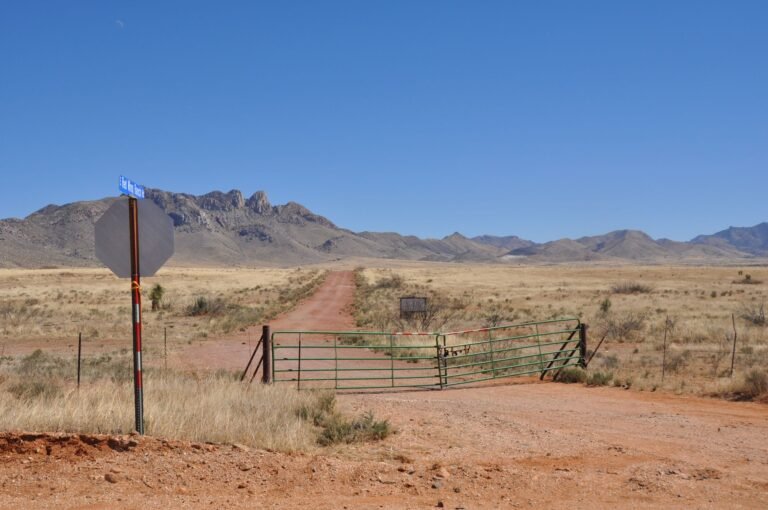 State guide
Texas
Farmland west of the 100th meridian at a third of the eastern price, an ag valuation that can shrink the tax bill to almost nothing, and minerals often sold apart from the surfaceOpen the guide →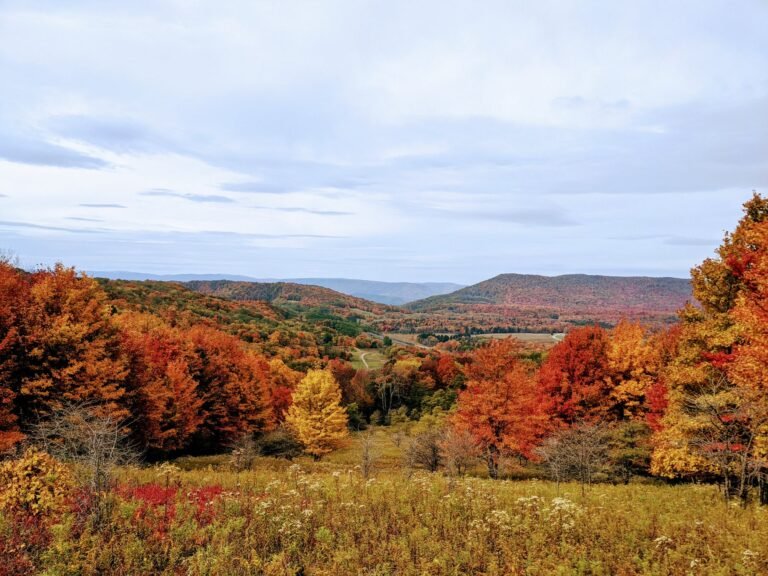 State guide
West Virginia
The cheapest houses with land in the East, $2,593 an acre in the middle of the state, and minerals, mines and floods to check under every deedOpen the guide →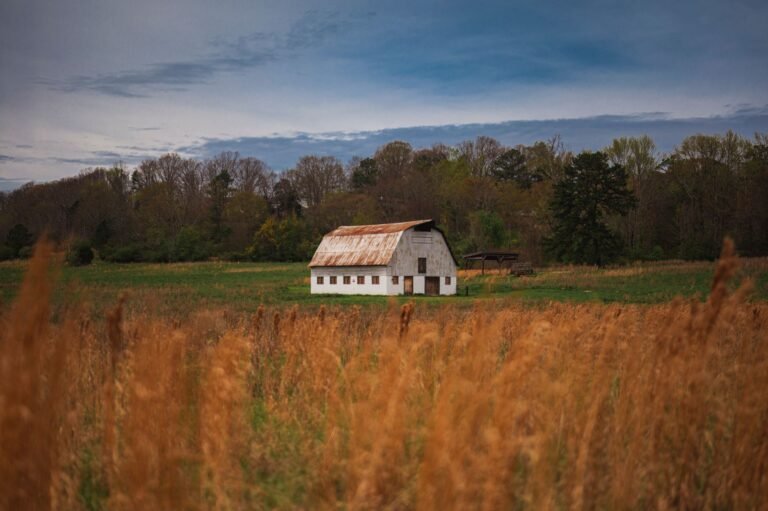 State guide
Georgia
Two markets split by the fall line: $3,211 an acre in the pine country, more than Atlanta in the mountains, and the conservation use covenant to check firstOpen the guide → State guide
Tennessee
Sinkholes and karst, the perc test bedroom limit, Greenbelt clawbackOpen the guide →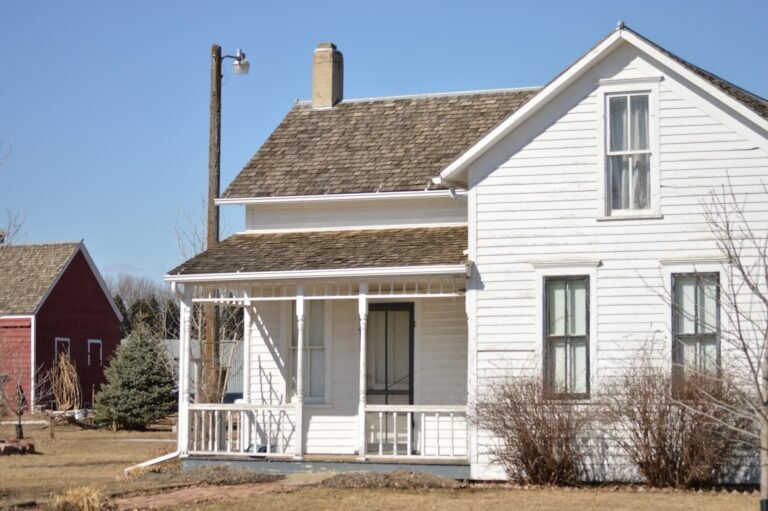 State guide
Kentucky
Severed mineral rights and broad form deedsOpen the guide → State guide
North Carolina
Present-Use Value rollback taxes and the septic Improvement PermitOpen the guide → State guide
New York
Open the guide → State guide
Virginia
Southside is the cheapest region, and the annual car tax catches newcomersOpen the guide → State guide
Pennsylvania
Mine subsidenceOpen the guide → State guide
Missouri
The cheapest acres are in the Ozarks, $2,644 in the ten cheapest counties, and the flat Bootheel costs the mostOpen the guide → State guide
Oklahoma
Price follows the rain, $1,351 an acre in the dry northwest, and the standard contract checks the surface onlyOpen the guide → State guide
South Carolina
The Pee Dee averages $2,952 an acre, and your home is taxed at 4% while a second home pays 6%Open the guide → State guide
Montana
The eastern plains average $938 an acre, and water rights pass with the deed unless it says otherwiseOpen the guide → State guide
Louisiana
Farmland near $3,600 an acre almost everywhere; the flood zone and the insurance set the real priceOpen the guide → State guide
Massachusetts
The hill towns of the west at $8,600 an acre, a third of the Cape; Title 5, wetlands and frontage decide what you can buildOpen the guide → State guide
Ohio
Half-price land in the southeast hills, $4,905 an acre against $9,450 in the west, and the mine subsidence and mineral rights checks to run firstOpen the guide →How to buy, state by state
Knowing what land costs is one thing. Getting a deal closed in that state is another: which lenders will write a mortgage that small, which counties will permit a septic system on a lot that size, what a title search there tends to turn up, and what a seller is legally required to tell you before you sign. These guides walk the process end to end, one state at a time.
 Arizona
How to Buy Land in Arizona, Step by Step
Ten steps, including the four that can kill a deal before you ever write an offer: the groundwater map, the lot split, the well quote and legal accessRead the guide → Arkansas
How to Buy Land in Arkansas Step by Step
Eleven steps, soil pits instead of a perc test, no state well permit, and the county court petition that unlocks a landlocked parcelRead the guide → Florida
How to Buy Cheap Rural Property in Florida (Complete Guide)
The eight steps, from setting a budget that includes insurance to closing on a parcel with legal accessRead the guide → Kentucky
How to Buy Cheap Rural Property in Kentucky: A Complete Guide
Where the cheap counties are and how the mineral rights question changes an offerRead the guide → North Carolina
How to Buy Cheap Rural Property in North Carolina (Complete Guide)
The mountains, the Piedmont and the coastal plain, priced against each otherRead the guide → New York
How to Buy Cheap Rural Property in New York (Complete Guide)
Why Upstate stays cheap while the taxes stay highRead the guide → Pennsylvania
How to Find Cheap Rural Property in Pennsylvania (Complete Guide)
The western counties, and what mine subsidence coverage costsRead the guide → Virginia
How to Find Cheap Rural Property in Virginia (Complete Guide)
Southside and Southwest Virginia, and how to read a rural listing thereRead the guide → Tennessee
Why Cheap Rural Property in Tennessee Still Exists in 2026
The supply reasons behind the prices, and where they are running outRead the guide →Financing and loan rules
The single biggest reason a cheap rural house stays on the market is that the loan will not go through. Manufactured homes past a certain age, houses on private roads with no recorded maintenance agreement, mortgages too small for a bank to bother writing, listings that say “cash only” — each of those is a written rule somewhere, and each one has an exception. This is where we explain them, one rule per guide, citing the handbook rather than paraphrasing it.
OverviewWhy Cheap Rural Homes Don’t Sell — And How to Buy One Anyway
Eight mechanisms that keep a livable house from selling, and the four financing routes that still work.Read the guide → New Mexico
Land Loans in New Mexico: Who Lends on Bare Land, and What They Ask For
Who lends on bare land, what they ask for, and when USDA or Farm Credit money is on the table.Read the guide → Texas
Land Loans in Texas: Who Lends on Rural Land, and What They Ask For
Farm Credit, the Veterans Land Board, local banks, USDA and owner financing: who lends on rural Texas land and what each one asks for.Read the guide →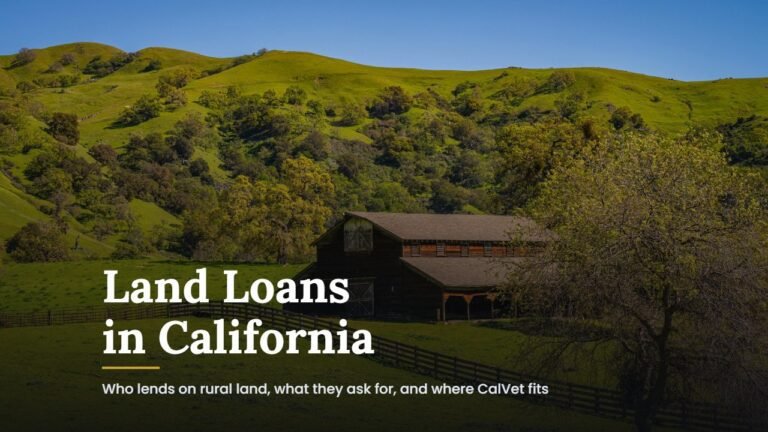 California
Land Loans in California: Who Lends on Rural Land and What They Ask For
Land lenders, Farm Credit lot loans, CalVet, USDA and seller financing under section 580b: who lends on rural California land and what each one asks for.Read the guide → VA loans
VA Loans for Manufactured Homes: What Rural Buyers Need to Know
What the VA requires of a manufactured home and its land, why homes on rented lots fall out, and the 24 states where it matters most.Read the guide →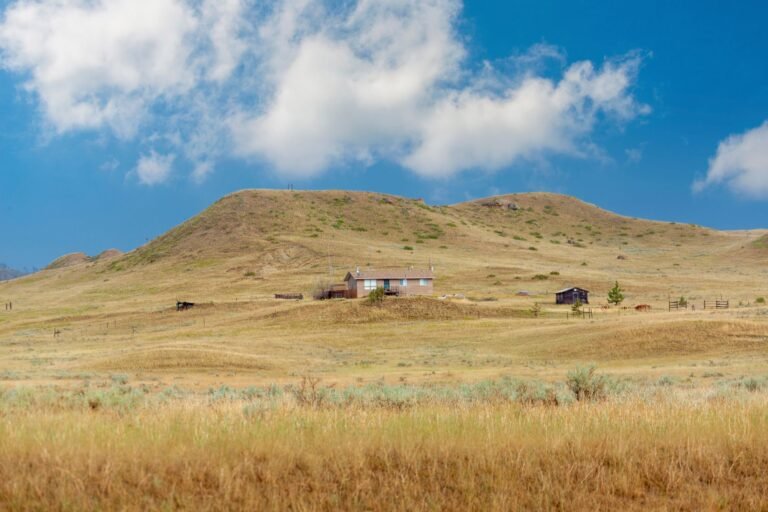 VA loans
VA Loan Land Rules: Can You Use a VA Loan to Buy Land?
Why there is no VA acreage limit, how farms and new builds qualify, and what 10 acres add to a VA loan in every state.Read the guide →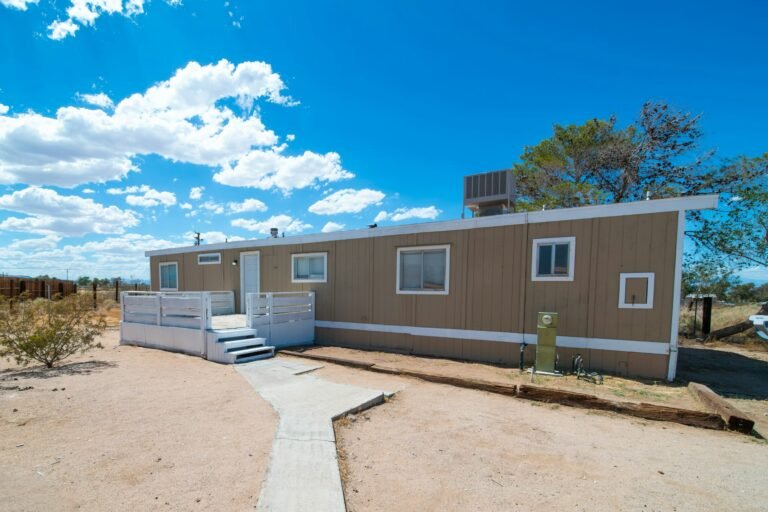 Manufactured homes
Putting a Manufactured Home on Rural Land
Zoning, septic, foundation, title and loans, plus what a new home and 5 acres cost in every state.Read the guide → Manufactured homes
Mobile Home Foundations
Piers, slabs, walls and basements, the federal installation rules and what each loan requires.Read the guide →What it really costs
The purchase price is the part everyone looks at. The well, the septic system, running power to the parcel, insuring a house an hour from a fire station and the annual tax bill are the parts that decide whether you can afford to stay. Each state guide below works through the arithmetic with that state’s real rates.
 Arizona
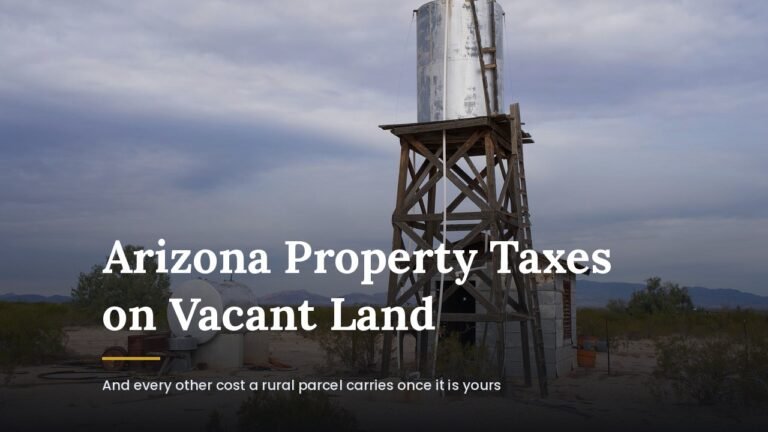
 Property Taxes on Vacant Land, and What Else It Costs to Own
Why the famous 0.48 percent rate does not apply to a bare parcel, and the six line items that doRead the guide → Arkansas
 Property Taxes on Vacant Land, and What Else It Costs to Own
A 20 percent assessment ratio, timber valued on use at $60 to $120 an acre instead of market, and a cap that resets the day you buyRead the guide → Kentucky
The Real Cost of Owning Rural Property in Kentucky
Discover the real cost of owning rural property in Kentucky, including taxes, utilities, maintenance, insurance, and infrastructure. A practical guide for buyers considering affordable farmhouses and country homes.Read the guide →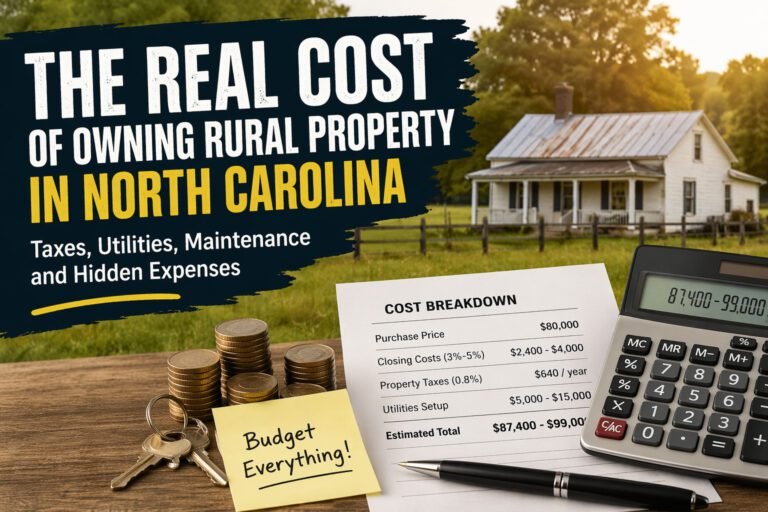 North Carolina
The Real Cost of Owning Rural Property in North Carolina
Discover the real cost of owning rural property in North Carolina, including taxes, utilities, maintenance, and hidden expenses every buyer should know.Read the guide → New York
The Real Cost of Owning Rural Property in New York
Learn the real cost of owning rural property in New York, including taxes, utilities, maintenance, and hidden expenses most buyers underestimate.Read the guide →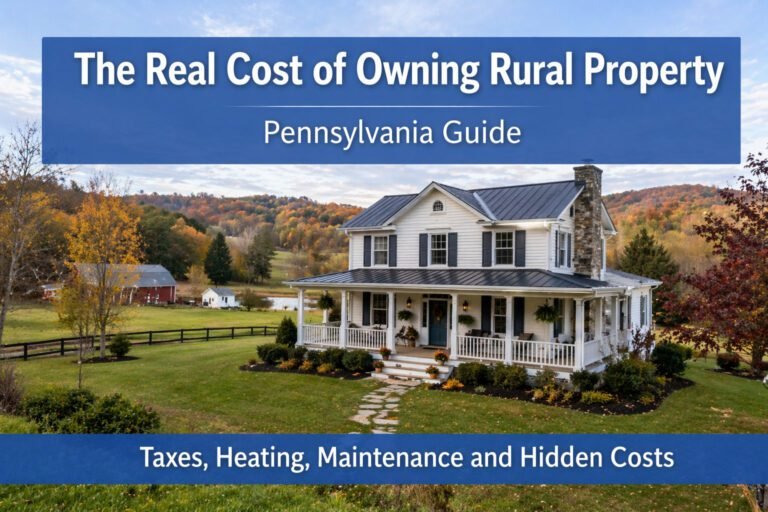 Pennsylvania
The Real Cost of Owning Rural Property in Pennsylvania
Discover the real cost of owning rural property in Pennsylvania, including property taxes, heating, maintenance, and hidden expenses.Read the guide →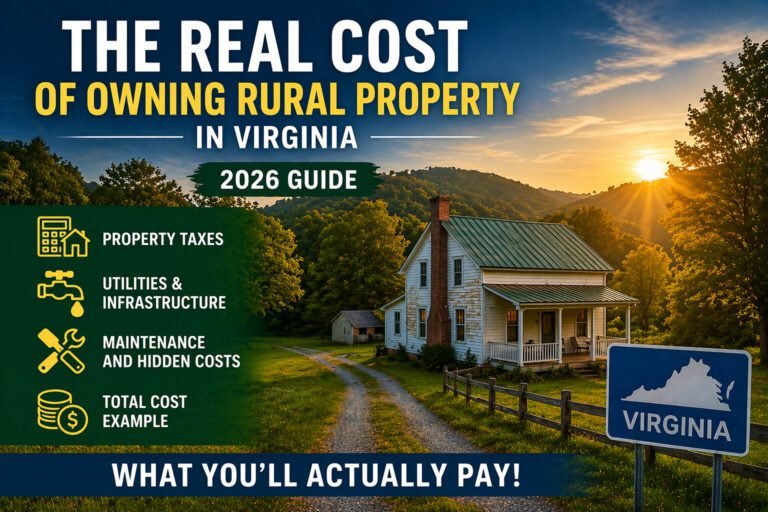 Virginia
The Real Cost of Owning Rural Property in Virginia
Learn the real cost of owning rural property in Virginia, including taxes, utilities, maintenance, and hidden expenses buyers should consider.Read the guide →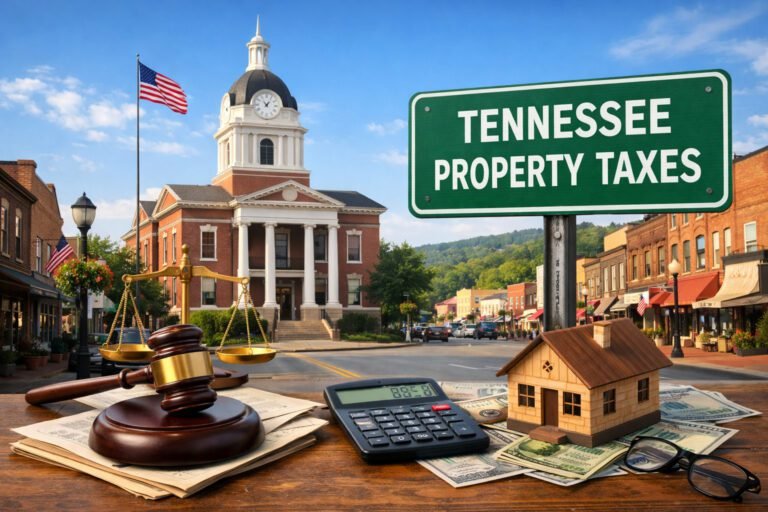 Tennessee
Property Taxes in Tennessee: What Buyers Should Know Before Buying Property
Property taxes in Tennessee are among the lowest in the United States. Learn the real costs of buying property in Tennessee, including taxes, closing costs, and hidden fees.Read the guide →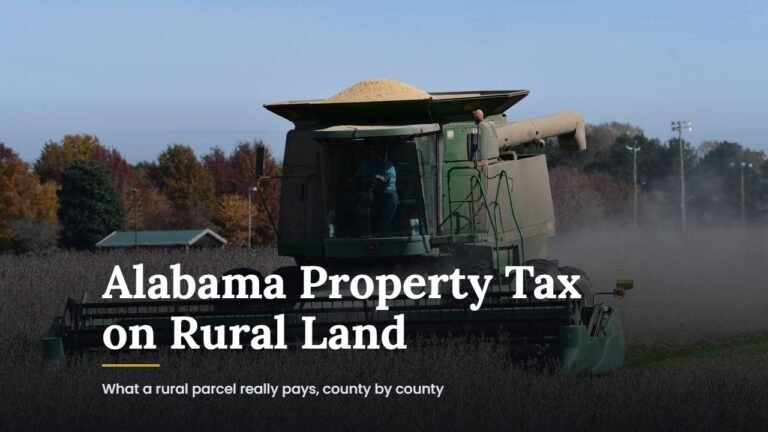 Alabama
 Property Tax on Rural Land: What You’ll Actually Pay Each Year
Three ways the same 40 acres gets taxed, and why the cheapest counties carry the highest millageRead the guide → Texas
Agricultural Exemption in Texas: How It Works, What It Saves and How to Keep It
What the agricultural valuation really is, how many acres it takes, what it saves on 20 acres, and the rollback when the use stops.Read the guide → National data
How Much Does It Cost to Build a Barndominium?
$65 to $160 per square foot for the building, plus the land every other cost guide leaves out, in all 48 states.Read the guide → National data
Barndominium Insurance: What Underwriters Ask, and What It Costs
The three questions that make a barndominium hard to insure, the 80% rule in dollars, and what a year of premiums costs against the land in all 48 states.Read the guide → Texas
Barndominium Cost in Texas
What it costs to build per square foot, and what ten acres add in 14 Texas counties, from $10,000 to $130,000.Read the guide →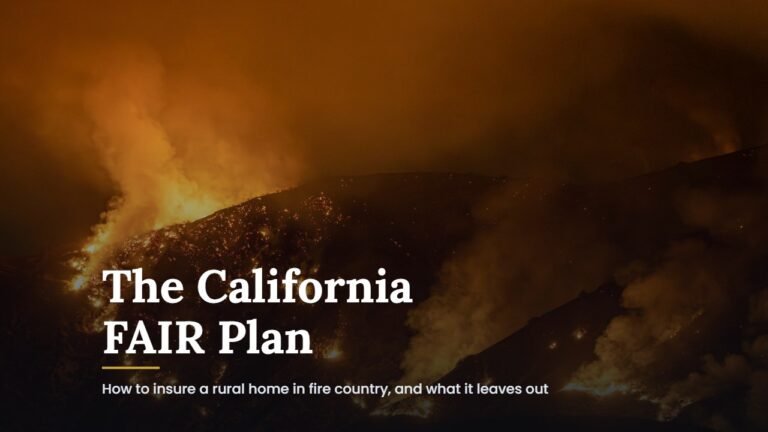 California
The California FAIR Plan: How to Insure a Rural Home in Fire Country
What the insurer of last resort covers and leaves out, the DIC policy most owners add, the 29.1% rate rise and 12 ways to pay less.Read the guide →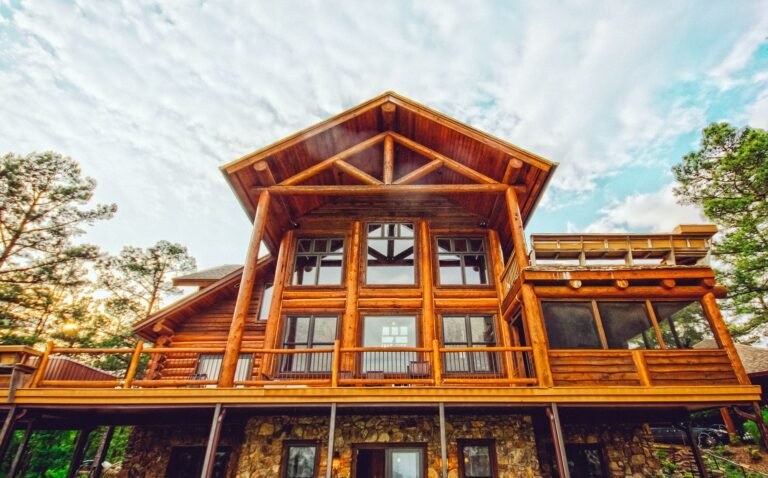 National data
Log Home Insurance: Why It’s Harder to Get, and Where to Turn
The four questions behind most log home declines, and the wildfire and FAIR Plan ranking for all 50 states.Read the guide → West Virginia
Moving to West Virginia: What It Really Costs to Live on Rural Land
What the move really saves, the taxes that change when you arrive, and the honest trade-offsOpen the guide → Georgia
Moving to Georgia: The Real Cost of Rural Living
Cost of living a tenth below the national average in small-city Georgia, $65,000 of retirement income tax-free at 65, and your first 30 daysRead the guide → Ohio
Moving to Ohio: The Real Cost of Rural Living (2026)
Prices 7% below the US average, Social Security untaxed, and the school district income tax most newcomers never hear aboutRead the guide → Texas
Moving to Texas: What Rural Living Really Costs
No income tax, but a property tax and insurance bill near $8,160 a year on a median home, and why the real savings start outside the metrosRead the guide → Massachusetts
Moving to Massachusetts: The Real Cost of Rural Living (2026)
Rural Massachusetts costs less than the US average; the town tax rate, the health insurance mandate and the car excise set the real billOpen the guide → Missouri
Moving to Missouri: The Real Cost of Rural Living (2026)
Seventh-lowest cost of living, no tax on Social Security after 62, and your first 30 daysRead the guide → Oklahoma
Moving to Oklahoma: The Real Cost of Rural Living (2026)
The cheapest state to live in, taxes for retirees, and the real cost of storms and insuranceRead the guide →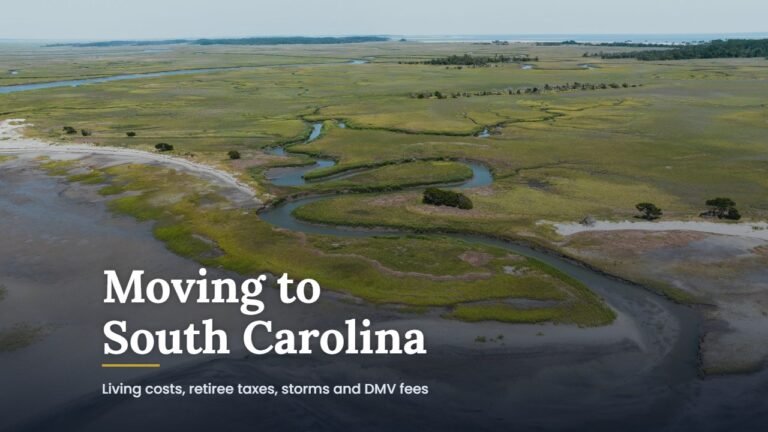 South Carolina
Moving to South Carolina: Costs, Taxes and Storms (2026)
No tax on Social Security, the 4% home rule, DMV fees and what hurricane season does to insuranceRead the guide →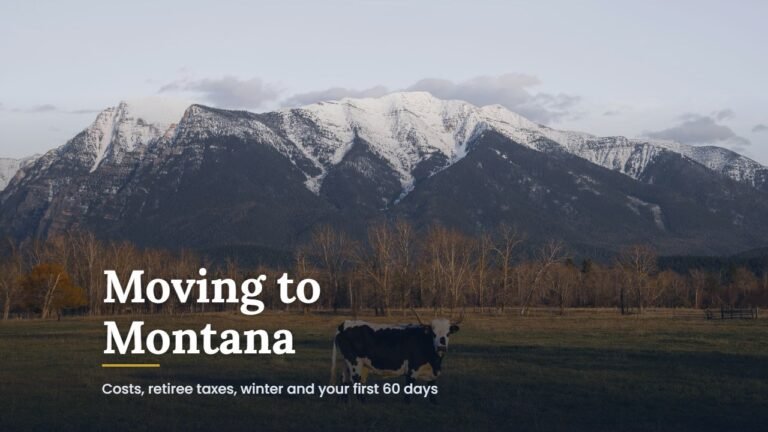 Montana
Moving to Montana: Costs, Taxes and Winter (2026)
No sales tax, housing 15% above average, the seven-month homestead rule and a real winterRead the guide →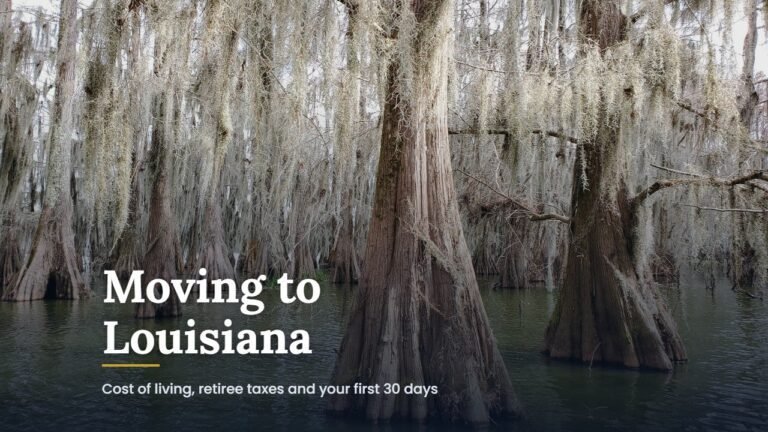 Louisiana
Moving to Louisiana: Costs, Taxes and Insurance (2026)
A flat 3% income tax, a aho-card-desc”>2,000 retiree exclusion, and the real cost of storms and insuranceRead the guide →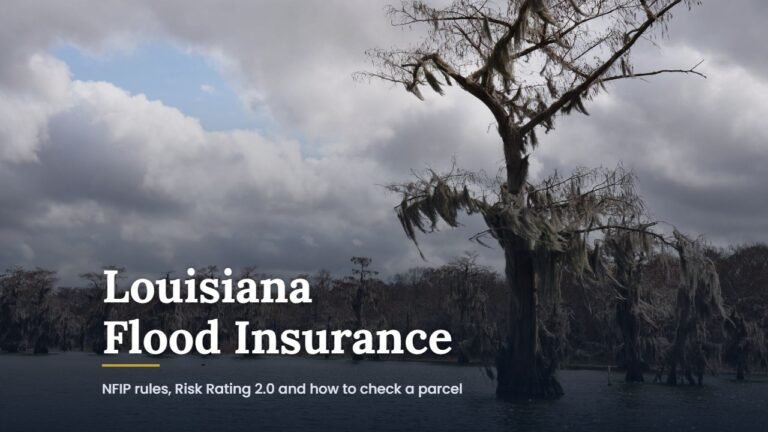 Louisiana
 Flood Insurance: A Home Buyer’s Guide (2026)
NFIP rules, the 30-day wait, Risk Rating 2.0 and FORTIFIED roof grants, before you make an offerOpen the guide →Due diligence and legal
Mineral rights you do not own, an access easement that was never recorded, a boundary nobody has surveyed since 1961, an agricultural exemption that claws back four years of tax the moment you build. None of these show up in a listing, and all of them are findable before you make an offer. How to check if land in Florida is buildable is the first of these written on its own: septic, wetlands and legal access, in the order a buyer should check them. The rest still live inside each state guide, in its “what to check” section, and the Field Guide checklist covers the same ground in nine pages you can carry to a viewing.
 Massachusetts
Title 5 Inspection in Massachusetts: A Buyer’s Guide (2026)
How to read the septic report, what a failed system costs, the bedroom rule and the $18,000 state creditOpen the guide → Florida
How to Check If Land in Florida Is Buildable (Septic, Wetlands and Access)
Septic, wetlands and legal access, in the order a buyer should check them.Read the guide →Free checklistThe Rural Property Buyer’s Field Guide
The same checks in nine pages you can carry to a viewing.Get the checklist → Oklahoma
 Mineral Rights: A Land Buyer’s Guide (2026)
The standard contract checks the surface only: how to find who owns the minerals and what a driller can doOpen the guide → West Virginia
 Mineral Rights: What a Land Buyer Needs to Know
Who owns what lies under the land, what a gas or coal company can do on your surface, and how to find out before you buyOpen the guide →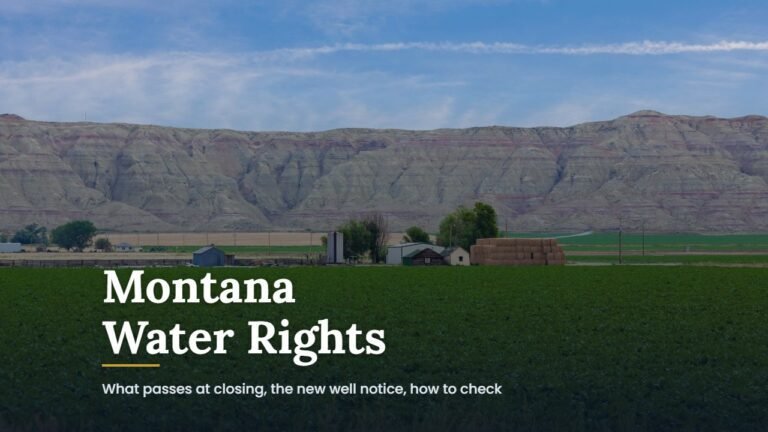 Montana
 Water Rights: A Land Buyer’s Guide (2026)
What passes at closing, Form 608, the new $400 well notice and closed basinsOpen the guide →Where to buy
Where the dollar goes furthest, county by county, using the USDA Census of Agriculture rather than asking prices. Listing-site averages measure what is for sale, not what sells, and they run well above what land actually changes hands for. Start with the national picture, then drop into the counties.
 National
The Cheapest States to Buy Land in 2026 — And Why the Top of the List Is a Trap
The full USDA ranking of 48 states, and why the top of the list is a trapRead the guide → National
The Cheapest Places to Buy a House With Land
Census data on 17.8 million homes: 46 states ranked and the 20 county groups where a house with land still costs $100,000 to $150,000.See the ranking →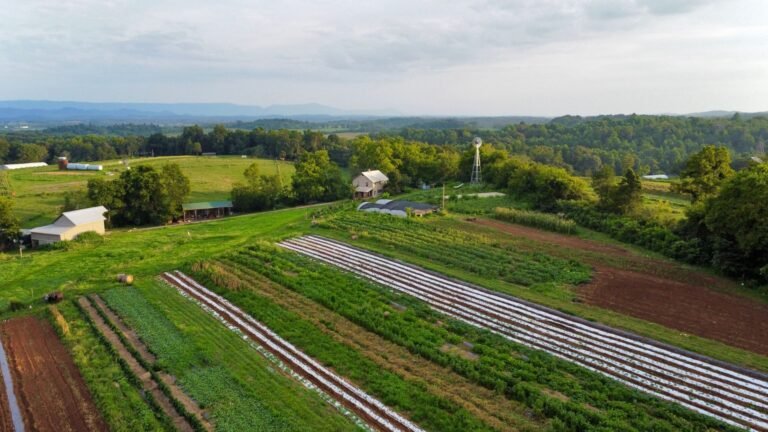 National
The Best States to Homestead in 2026
All 48 states ranked on land price, property tax and thirty years of rainfallRead the guide →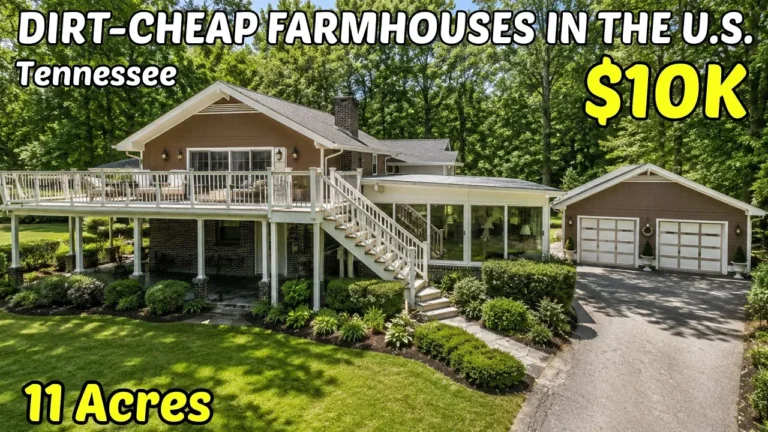 Tennessee
Best Counties in Tennessee for Homesteading: What Land Really Costs, County by County
What land really costs, county by countyRead the guide →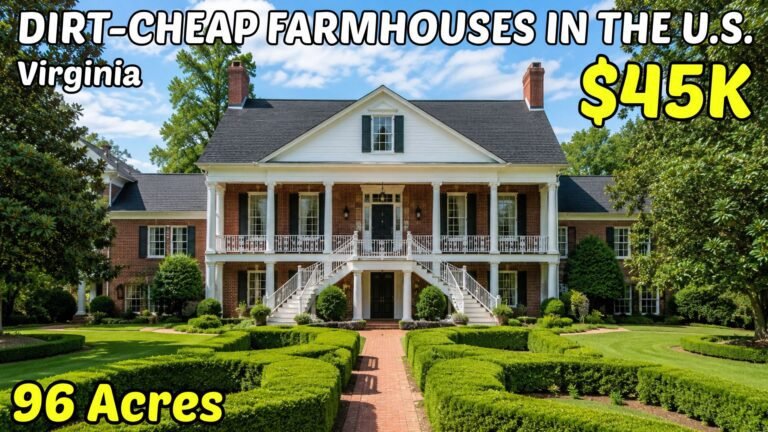 Virginia
Best Counties in Virginia for Homesteading: County Land Values and 10 Real Listings
County land values and ten real listingsRead the guide →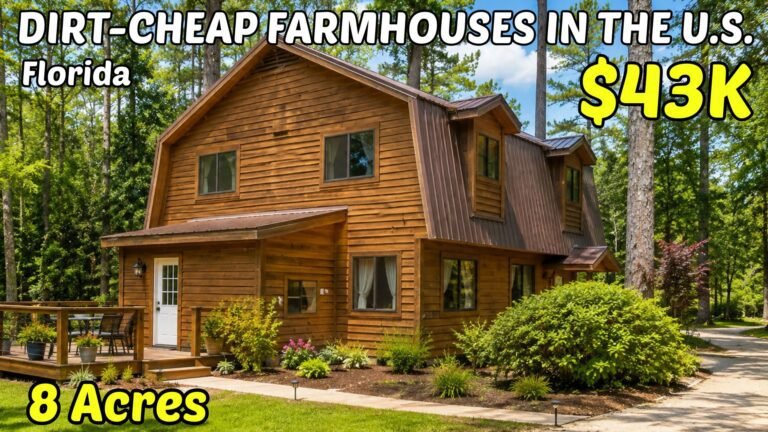 Florida
The Cheapest Counties in Florida to Buy Land (2026 Guide + 10 Real Listings)
The cheapest counties in Florida to buy land, ranked with USDA county data, plus 10 real rural listings from $299,900 down to $43,000.Read the guide →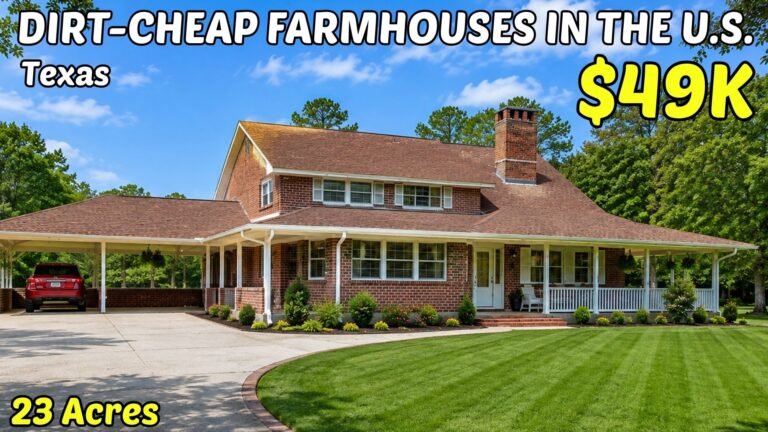 Texas
The Best Counties in East Texas for Homesteading (And 10 Properties That Prove the Point)
County land values and ten properties that prove the pointRead the guide →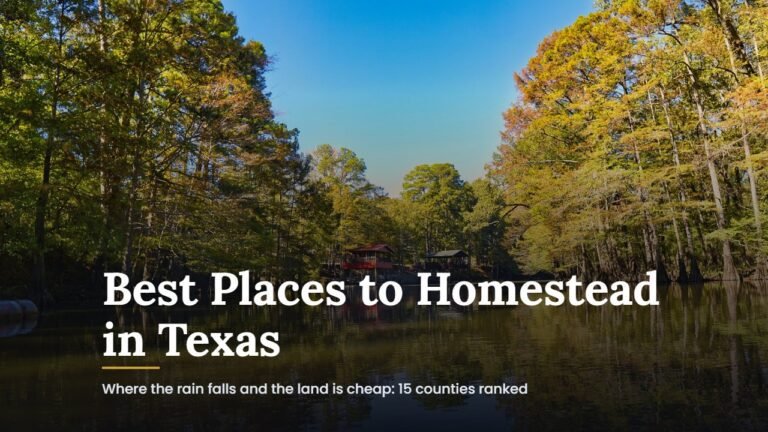 Texas
Best Places to Homestead in Texas
Thirty years of county rainfall against USDA land values: the 15 Texas counties where rain and price line up.See the counties →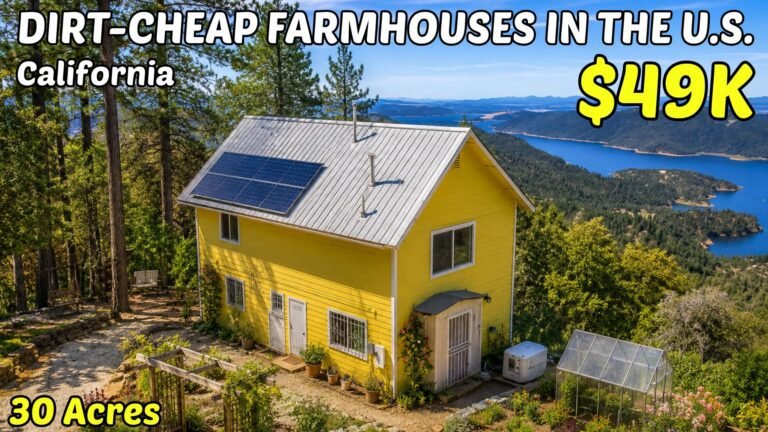 California
Best Places to Homestead in Northern California
Which Northern California counties actually work for a homestead – water, fire, zoning and land costs – plus 10 real listings from $49,000 to $259,000.Read the guide → Alabama
Hunting Land in Alabama: What It Sells For, What It Leases For, and What to Check Before You Buy
What it sells for, what the state asks to lease its own 140 tracts, and whether that lease pays the taxRead the guide →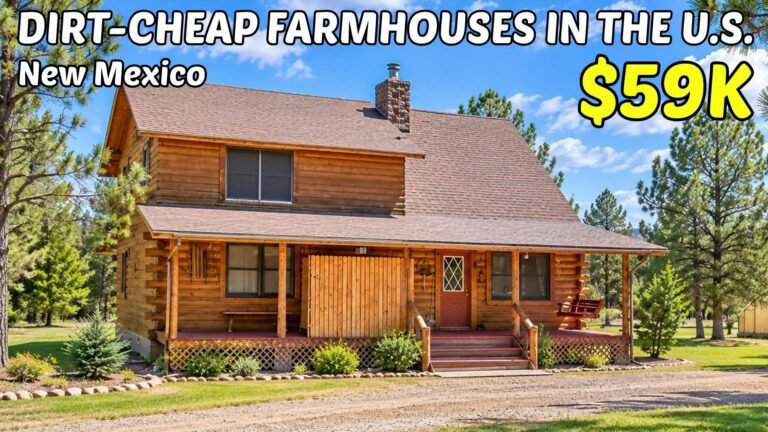 New Mexico
Homesteading in New Mexico: What the Land Costs and What Ten Real Listings Show
County land values and ten real listings, where the bare land averages under 2% of the asking priceRead the guide →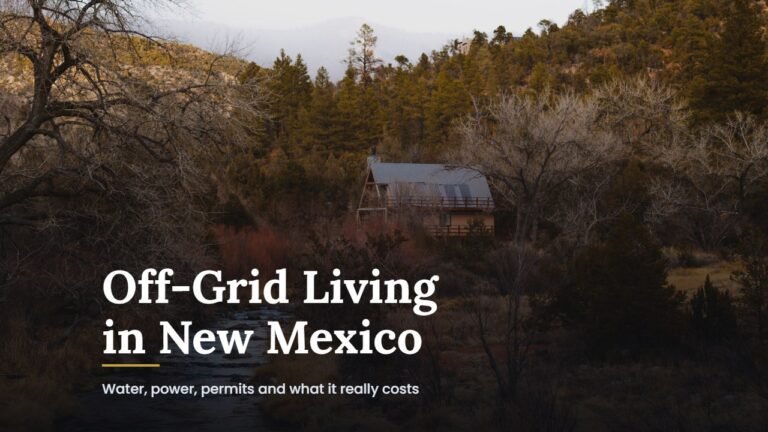 New Mexico
Off Grid Living in New Mexico: Water, Power, Permits and What It Really Costs
The well permit, the septic permit, solar and what it really costs to live off the grid legallyRead the guide → Georgia
Homesteading in Georgia: Land, Water and the Rules
Twenty acres for about $64,000 below the fall line, conservation use, wells and rainwater, and raw milk, step by stepRead the guide → Ohio
Homesteading in Ohio: Land, Water and the Laws (2026)
Twenty acres from $98,100 in the southeast hills, the five-acre zoning line, cisterns, CAUV and the food you can sellRead the guide → Missouri
Homesteading in Missouri: Land, Water and Laws (2026)
Your own well with no permit, septic outside state rules on 3 acres, and raw milk from the farmRead the guide → South Carolina
Homesteading in South Carolina: Land, Title and Farm Tax (2026)
Land by region, the farm-use tax and rollback, wells and septic, and heirs’ property trapsRead the guide →Get the next guide when it goes up
We publish two of these a week: one state, one rule. Leave your email and you will get each one as it is written, along with the properties we cover.
Sources: USDA Census of Agriculture 2022 for farmland values, the Tax Foundation for state tax rates, and the lending handbooks named in each guide. Figures are checked when a guide is written and reviewed at least once a year; the date of the last update appears on each page. American Home Opportunities is a publisher, not a brokerage, a lender or an adviser, and nothing here is legal, tax or financial advice. Prices we quote from listings are asking prices, not sale prices. Verify anything that matters with a licensed professional in the state where you are buying.