

Title 5 Inspection in Massachusetts: A Buyer’s Guide (2026)
If you are buying a rural home in Massachusetts, the Title 5 inspection is the document that can change the price by $20,000 overnight. Most homes outside the cities run on a private septic system, and the state sanitary code, Title 5, requires that system to be inspected before the property is sold. Read the report before you make an offer, not after.
This guide explains what a Title 5 inspection checks, how long it is valid, what pass, conditional pass and fail really mean, how the bedroom count is tied to the septic system, and what a failed system costs once the state tax credit is taken into account. It is written for buyers, and every rule is linked to its source.
Title 5 inspection: the numbers in short
Step 1. Ask for the Title 5 inspection report before you make an offer
A Title 5 inspection is required before most sales of a property with a septic system or cesspool, and the obligation sits with the seller, who arranges and usually pays for it. The inspection has to be done within 2 years before the sale, or within 3 years if the system has been pumped every year and the report includes the pumping records. If one inspection covers several sales within those two years, it still counts.
If the weather makes an inspection impossible, the seller can do it up to 6 months after the sale, but only with written notice to the buyer. That is a risk you take on. Some transfers need no inspection at all, such as a sale between spouses, parents and children, or into a family trust, and a refinance never triggers one.
A rural listing that says “Title 5 in hand” is telling you something useful. One that says nothing is a question to ask on the first call.
Step 2. Read the Title 5 inspection result: pass, conditional pass or fail
A Title 5 inspection ends in one of a few results, and each one changes what you are buying.
- Pass. The system works and meets the standard. You still want to know its age and when it was last pumped.
- Conditional pass. A component such as a cracked tank, a broken baffle, a crushed pipe or a failed distribution box needs repair. Once it is fixed and the board of health approves, the system passes. Repairs like these usually cost a fraction of a replacement.
- Fail. The system does not protect public health or the environment, for example because sewage backs up, breaks out to the surface, or the leach field sits too close to groundwater. A failed system must be upgraded, usually within 2 years.
- Further evaluation by the board of health. The inspector could not decide, often because of distance to a well or a wetland. The town decides, and that takes time.
A cesspool and the leach field itself cannot get a conditional pass: if they fail, the system fails.
Step 3. Check who did the Title 5 inspection, and when
Only an inspector approved by MassDEP can sign a valid Title 5 report, and approved inspectors are listed by the New England Interstate Water Pollution Control Commission. The report has to be on the state form and filed with the board of health within 30 days. An inspector cannot inspect for the owner and act for the board of health on the same property.
Check the date against the closing date, and ask the board of health for the system’s file: the original permit, the as-built plan and any past repairs. The file often tells you more about the system’s age and size than the listing does.
Step 4. Count the bedrooms against the septic design
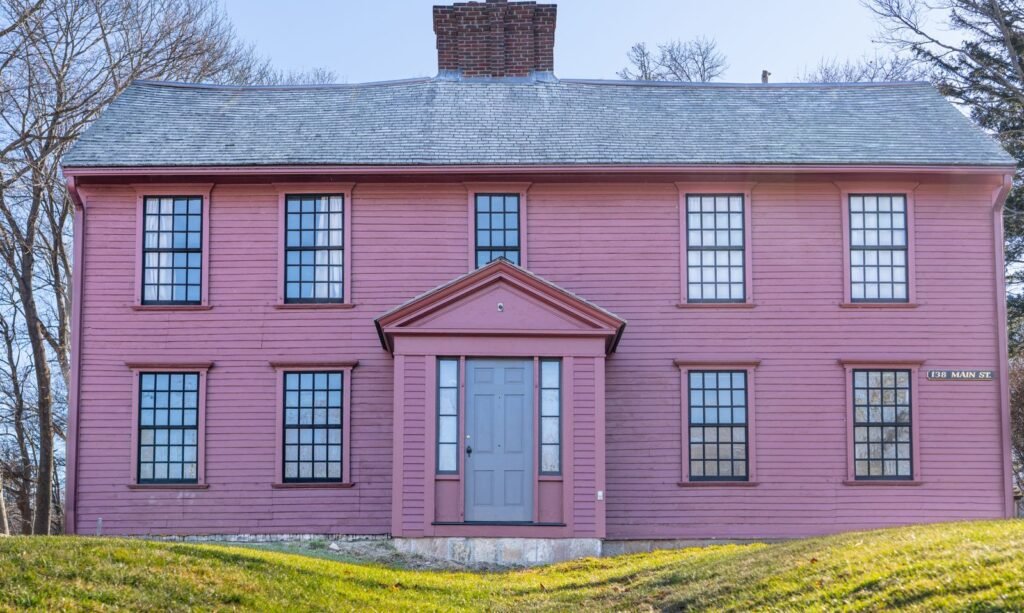
Title 5 sizes a home’s septic system by its design flow, set at 110 gallons a day per bedroom. That is why bedroom count is a legal question in Massachusetts, not just a selling point. A house marketed as four bedrooms on a system designed for three may be legally a three-bedroom house, and adding a bedroom later counts as an increase in flow that can force a septic upgrade.
What counts as a bedroom is set by state codes and can be stricter in town rules: a room of at least 70 square feet, with a window, a ceiling at least 7 feet high and two ways out, among other tests. Adding a bathroom does not increase the design flow. A garbage disposal does: it requires a larger, two-compartment tank and 50 percent more leach field area.
Ask the board of health for the system’s permitted design flow and compare it with the bedrooms in the listing before you offer.
Step 5. If it failed, price the replacement
Replacing a failed system starts with a soil evaluation: test holes and a percolation test run by a MassDEP-approved soil evaluator and witnessed by the board of health. An engineer then designs the system to fit the lot’s soil, groundwater, wells and wetlands, the board of health issues the permit, and a licensed installer builds it.
Contractor price guides put a standard replacement at $10,000 to $25,000, and well above that on a difficult lot or where an innovative system is required. Get two quotes from local installers before you agree a number with the seller: soil and access vary enormously from one hillside to the next.
Step 6. Negotiate who pays, in writing
A failed Title 5 result does not kill a sale, but it has to be settled in the purchase and sale agreement. There are three common ways to do it:
- The seller replaces the system before closing. Cleanest for the buyer, but the seller chooses the installer and the design. Ask for the permit and the certificate of compliance.
- A price reduction. You take over the obligation to upgrade within the deadline and choose the design yourself. Make sure your lender agrees, and price the work first.
- Money held back at closing. Part of the price stays in escrow with the closing attorney until the new system is built and approved.
Whichever you choose, the obligation to upgrade follows the property, not the person, so make the deadline and the paperwork part of the contract.
Step 7. On the Cape or with a cesspool, check the extra rules
Since July 7, 2023, state regulations require homeowners in designated nitrogen-sensitive areas to upgrade their septic systems within 5 years, unless their town obtains a watershed permit instead. The rule targets the coastal bays and estuaries, which in practice means much of Cape Cod and the Islands. Ask the town which path it has chosen and whether the property is in a designated area.
Some towns go further with cesspools and set their own deadlines to close every one of them out, Westport among them. If the house runs to a cesspool, ask the board of health whether a local deadline applies, whatever the Title 5 result says.
Step 8. Use the septic tax credit
Massachusetts gives a personal income tax credit for repairing or replacing a failed septic system or cesspool on your primary residence. Since tax year 2023 the credit is 60 percent of the design and construction costs, up to $4,000 a year and $18,000 in total, and any unused amount can be carried forward up to five years. It is claimed on Schedule SC with your state return.
Many towns also offer low-interest loans for septic repairs, repaid through the property tax bill, through MassDEP’s Community Septic Management Program. Ask the board of health whether yours does before you agree a price.
We read the septic story before a Massachusetts home makes our list
Every Massachusetts property we feature is checked for the obvious red flags, from the septic and the well to the road in. Leave your email and the next list of cheap Massachusetts homes arrives with that work already done.
Keep reading before you buy
- How to buy land in Massachusetts – farmland prices for all 14 counties and the six checks every town makes.
- Moving to Massachusetts – what rural living really costs, from taxes to the car excise.
- Cheap houses for sale in Massachusetts – ten real listings and why each one sits.
- The Rural Property Field Guide – the checklist we use on every property.
Common questions about the Title 5 inspection
How long is a Title 5 inspection good for?
A Title 5 inspection in Massachusetts is valid for 2 years before a sale, or 3 years if the septic system has been pumped every year and the report includes the pumping records. If winter weather prevents the inspection, it can be completed up to 6 months after the sale, as long as the seller notifies the buyer in writing.
Who pays for a Title 5 inspection in Massachusetts?
The seller. Title 5 puts the obligation to have the septic system inspected before a sale on the owner, so the seller arranges and usually pays for it, and contractor guides put the cost at roughly $400 to $800. A buyer can still hire a separate inspector, and should read the report before making an offer.
What happens if a septic system fails Title 5?
A failed septic system in Massachusetts must be upgraded, usually within 2 years, unless the board of health or MassDEP sets another schedule. The sale can still close: buyer and seller agree in the purchase and sale agreement whether the seller replaces it, lowers the price, or leaves money in escrow until the work is done.
Can you sell a house in Massachusetts without a Title 5 inspection?
Usually not. Massachusetts requires a Title 5 inspection before most sales of a home with a septic system. Exceptions include transfers between spouses, parents and children or full siblings, transfers into a family trust, and refinancing. In foreclosures the seller must notify the buyer, and some homes on an approved upgrade agreement are also exempt.
How many bedrooms can a septic system support in Massachusetts?
Title 5 sizes septic systems at 110 gallons a day per bedroom, so the permitted design flow sets the legal bedroom count. A three-bedroom design supports three bedrooms, whatever the listing says. Adding a bedroom counts as an increase in flow and can require a septic upgrade, while adding a bathroom does not.
What is the Massachusetts septic tax credit?
Massachusetts gives an income tax credit of 60 percent of the cost of repairing or replacing a failed septic system or cesspool on your primary home. Since tax year 2023 it is capped at $4,000 a year and $18,000 in total, with unused credit carried forward up to five years, and it is claimed on Schedule SC.
Sources and the important part
Sources: MassDEP, Buying or selling property with a septic system; 310 CMR 15.000 (Title 5, the State Environmental Code); 314 CMR 21.00 on nitrogen-sensitive areas, effective July 7, 2023; Massachusetts tax expenditure budget, item 1.606, septic credit; Berkshire County Board of Realtors, septic and bedroom count FAQ; contractor price guides for cost ranges. Figures checked in October 2026.
American Home Opportunities is a publisher, not a real estate broker, agent, lender, attorney, engineer or tax advisor, and nothing on this page is legal, tax or engineering advice. Septic rules are enforced by each town’s board of health and can be stricter than the state code. Verify everything with the board of health, a MassDEP-approved inspector, a closing attorney and licensed professionals before you buy.