

Oklahoma Mineral Rights: A Land Buyer’s Guide (2026)
Oklahoma mineral rights are the question most out-of-state land buyers never think to ask. In much of Oklahoma the oil, gas and minerals under a tract were sold off or reserved generations ago, and the standard purchase contract does not tell you. Its title work covers the surface only. This guide is written for someone buying land to live on, not someone selling minerals: what severed minerals mean for you, how to find out who owns them, what an operator can do to your surface, and how to decide whether it matters for the parcel you want.
Oklahoma mineral rights: the numbers in short
What it means when Oklahoma mineral rights are severed
Land in Oklahoma can be owned in two layers. The surface estate is what you see: the house, the pasture, the pond. The mineral estate is the oil, gas and other minerals beneath it, and it can be sold, leased, inherited and divided separately. When an owner sells the land but keeps the minerals, or sells the minerals and keeps the land, the two are severed, and from then on they travel on separate paper.
Oklahoma law starts from full ownership: a deed passes everything unless it is limited by express words. The trouble is history. Through a century of oil booms, families sold and reserved mineral interests in pieces, an eighth here and half the royalty there, and those reservations still bind the land. No state agency publishes what share of Oklahoma land has severed minerals, so assume nothing. A seller can convey only the minerals they still own, and the standard contract expressly leaves out any minerals already reserved or conveyed of record.
Read the contract before you read the deed
The Oklahoma Real Estate Commission’s 2024 residential sale contract has the seller furnish “a complete and current surface-rights-only Abstract of Title” and says reserved and severed mineral rights are not title objections. The seller pays to bring that abstract up to date; the buyer pays for the attorney’s title opinion or the title insurance commitment. If minerals matter to you, negotiate before you sign: ask for a mineral title opinion, or for the seller to state in writing what minerals they own and whether they will convey them.
How to find out who owns the Oklahoma mineral rights under a parcel
Finding out takes some work, and it is cheaper before closing than after. These are the routes, from cheapest to most thorough.
- Ask the seller in writing whether they own any minerals, whether any are leased, and whether they receive royalty checks. A seller who gets royalties knows.
- Search the county clerk’s land records by the legal description for mineral deeds, reservations, oil and gas leases and assignments. Many county clerks offer online indexes.
- Check the Corporation Commission’s Well Data Finder and GIS maps for wells, spacing units and pooling orders on the section. A pooling order lists the mineral owners the operator found.
- Order a full abstract and a mineral title opinion from an Oklahoma title attorney. It is the only reliable answer, and it is an extra cost beyond the standard contract.
- Search the State Treasurer’s unclaimed property by the names of past owners: royalties an operator could not pay go to the Mineral Owner’s Fund, which is a strong sign the minerals were active.
Look for a lease, a well or a pipeline
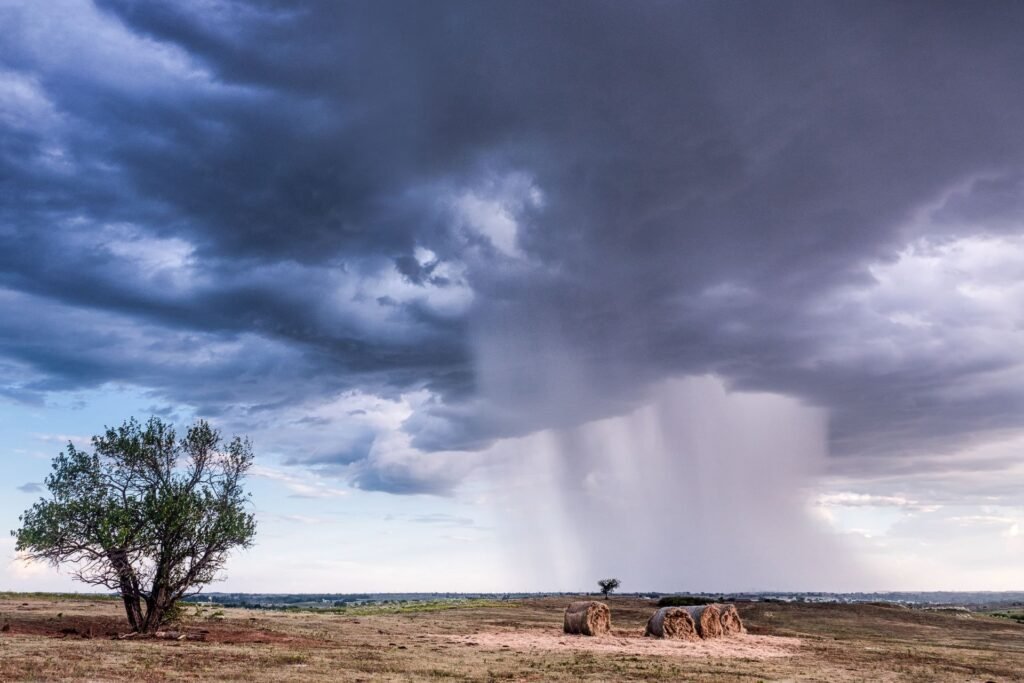
What lies beneath matters to a surface buyer mainly because of what it can bring to the surface. An active lease means an operator has the right to use reasonable parts of your land to reach the minerals: a pad, a road, a pipeline, a tank battery. A plugged well is usually harmless. An abandoned, unplugged well is not, and Oklahoma has many: the Corporation Commission counts 20,406 known abandoned wells awaiting plugging in 76 of the state’s 77 counties, and says the real number is almost certainly higher.
Walk the land for capped pipes, old pads, pits and pipeline markers, and search the legal description in the Commission’s databases. Remember the setback that runs the other way: state law makes it unlawful to build a habitable structure within 125 feet of an active wellbore or 50 feet of its surface equipment, so a well near the best house site can take that site off the table.
What an operator can do on your land, and what it cannot
If someone else owns or leases the minerals, Oklahoma’s Surface Damages Act (52 O.S. 318.2 to 318.9) sets the rules for drilling on your surface. Before entering to drill, the operator must give you written notice of the proposed location and start date, and the two of you must begin good-faith negotiation of damages within five days. The operator must post a $25,000 bond with the Secretary of State to cover damages it fails to pay.
If you cannot agree, the operator asks the district court to appoint three appraisers: one chosen by each side and a certified general appraiser chosen by those two. Their report is due in 30 days; either side can file exceptions within 30 days or demand a jury within 60. But the key line is this: once the operator has petitioned for appraisers, it may enter and drill. The surface owner is paid; the surface owner cannot say no.
Two details matter if you will live out of state for a while. The personal written-notice rule has an exception for surface owners who are not Oklahoma residents, and the court process allows notice to nonresidents by publication in a local newspaper. If you buy land you will not occupy right away, ask an Oklahoma attorney how to make sure you are actually notified. Pipelines carrying oil and gas can also take a right of way by eminent domain, while the state bars utilities from using eminent domain for wind, solar, battery or hydrogen projects.
Taxes, unclaimed royalties and why severed minerals never come back
Oklahoma does not send a separate property tax bill for minerals. Production pays a gross production tax of 7 percent of its gross value, or 5 percent for the first 36 months of a well, and the statute says it is paid in lieu of all other state and local taxes on the mineral rights and on the production equipment (68 O.S. 1001). Your county bill covers the surface and the buildings.
Severed minerals also last. Oklahoma’s Marketable Record Title Act, which clears many old claims from a title after enough years, expressly does not cut off a mineral or royalty interest that has been severed from the surface (16 O.S. 76). We found no Oklahoma dormant mineral law of the kind some northern states have, so minerals that went unused for decades do not return to the landowner. When operators cannot find a mineral owner, the royalties go to the State Treasurer’s Mineral Owner’s Fund and wait there to be claimed.
Decide, and negotiate
Most buyers of a rural home in Oklahoma will end up owning the surface and little or none of the minerals. That is normal, and it is rarely a reason to walk away. These are the four situations you are likely to meet, and what we would do in each.
The minerals were severed long ago and nothing is leased.
The most common case on older tracts. Look for wells and pipelines, confirm no active lease or permit, and price the land as surface. Ask the title attorney to note the severance so it is no surprise later.
The seller owns some or all of the minerals.
Ask whether they will convey them, all or part, and get it in the deed in plain words. If they reserve them, accept it knowingly; mineral interests are often priced separately from the land.
The minerals are leased, or a well or pad is nearby.
Read the recorded lease, find out who the operator is and ask what is planned. Walk the setbacks against your house site, and get a homeowners insurance quote that knows about the well.
The minerals are split among many heirs.
Common in Oklahoma, and harmless to a surface owner until someone leases them. A pooling order on the section is the sign that drilling may come; check the Corporation Commission’s records before you buy.
Get the next batch of Oklahoma listings first
We run every Oklahoma property past the census, the flood map and the road in before it reaches our list. Leave your details and the next Oklahoma list reaches you before it goes public.
Keep reading
- How to buy land in Oklahoma – what an acre costs in all 77 counties and the six checks to run before you buy.
- Moving to Oklahoma – the cheapest state to live in, and what it really costs.
- The best counties in Oklahoma for homesteading – ten real homes, ranked against rainfall and the census.
- West Virginia mineral rights – the same question in coal and gas country.
- All our rural property guides, state by state.
Common questions about Oklahoma mineral rights
How do I find out if I own mineral rights in Oklahoma?
Trace the minerals in the county clerk’s land records, back to the deed where they were first reserved or sold, or have a title attorney prepare a mineral title opinion from a full abstract. The standard purchase contract’s abstract covers surface rights only. The Corporation Commission’s Well Data Finder shows wells, spacing and pooling orders on the section.
Do you get mineral rights when you buy land in Oklahoma?
Only the minerals the seller still owns and does not reserve. An Oklahoma deed passes full title unless it is limited by express words, and the standard contract conveys the seller’s minerals unless reserved, but it excludes minerals already reserved or conveyed of record. On many older tracts that means some or all of the minerals belong to someone else.
Do I have to pay property taxes on mineral rights in Oklahoma?
No separate property tax bill. Oil and gas production pays a gross production tax of 7 percent of its value, or 5 percent for the first 36 months, and state law says that tax is in lieu of all other taxes on the mineral rights and the production equipment. A surface owner’s property tax bill covers the surface and the buildings.
Can an oil company drill on my land without my permission in Oklahoma?
Yes, if it owns or leases the minerals. Under the Surface Damages Act the operator must give notice, negotiate surface damages and post a $25,000 bond, and if you cannot agree it asks a district court to appoint three appraisers. Once it has filed that petition, it may enter and drill. The surface owner is paid damages but has no veto.
How close can an oil well be to a house in Oklahoma?
Oklahoma law bars building a new home within 125 feet of an active wellbore or within 50 feet of a well’s surface equipment (52 O.S. 318.10). We found no statewide rule that keeps a new well a set distance from an existing rural home, so ask the operator and the Corporation Commission about any planned well before you buy.
Is it worth buying land without mineral rights in Oklahoma?
Often, yes. Most rural buyers want a place to live, and land without minerals can be priced the same as land with them. What you give up is royalty income and control: if the minerals are leased, an operator can use part of your surface. Ask whether a lease or permit exists, and price that risk before you make an offer.
How long do mineral rights last in Oklahoma?
Indefinitely. Oklahoma’s Marketable Record Title Act expressly does not cut off a mineral or royalty interest that has been severed from the surface, and we found no Oklahoma dormant mineral law that returns unused minerals to the landowner. A reservation made in a 1950s deed can still bind the land today.
Sources and the important part
Legal references are to 16 O.S. 29 (conveyance of full title) and 16 O.S. 76 (Marketable Record Title Act and severed minerals), 52 O.S. 318.2 to 318.10 (Surface Damages Act and setbacks), 52 O.S. 87.1 (pooling), 52 O.S. 52 and 27 O.S. 7 (eminent domain), 52 O.S. 554 (Mineral Owner’s Fund), 68 O.S. 1001 (gross production tax) and the Oklahoma Real Estate Commission’s 2024 residential sale contract. Abandoned-well figures come from the Oklahoma Corporation Commission’s plan of January 27, 2025; earthquake counts from Oklahoma Geological Survey data as compiled by the Great Central U.S. ShakeOut; disposal directives from the Corporation Commission, March 2016. No official source publishes the share of Oklahoma land with severed minerals or a reliable value of minerals per acre, and we do not quote one.
American Home Opportunities is a publisher. We are not a real estate broker, agent, landman, lender, appraiser, attorney, tax or financial advisor, and nothing on this page is legal, tax or financial advice. Mineral title in Oklahoma is a specialist field; have an Oklahoma title attorney review the abstract and any leases before you commit money. Page published October 2026.