Secluded 3-Acre Rural Retreat in Conway, North Carolina – Privacy Above All
Not every buyer wants a traditional farmhouse layout. Some are looking for privacy, independence, and flexibility — and that’s exactly what this property in Conway, North Carolina delivers.
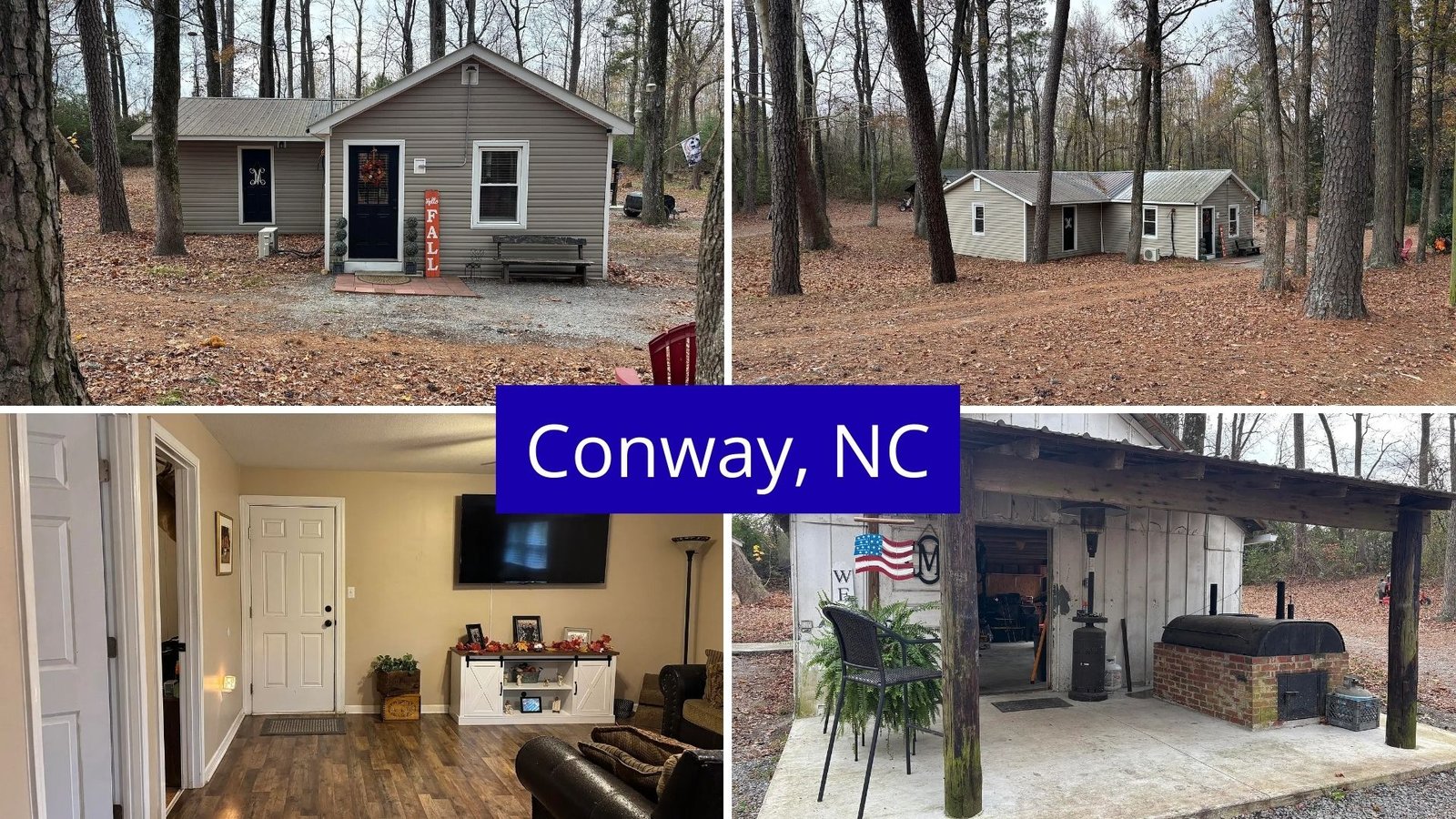
Set back from the road on nearly three acres, this home was originally part of a hunting club before being thoughtfully converted into a private residence. That history shows in the layout: the focus here is not curb appeal, but functionality, seclusion, and adaptability.
Inside, the main house feels surprisingly modern and comfortable. The open living area, updated finishes, and durable flooring make it clear this is a move-in-ready space. The layout works well for everyday living, but also lends itself to alternative uses like a seasonal retreat or short-term rental. Much of the furniture can remain, making this an unusually turnkey opportunity for a rural property.
What truly sets this listing apart is the additional structures. A separate cookhouse, storage buildings, and utility spaces expand what’s possible here — from hosting gatherings to creating a self-contained retreat environment. Few properties at this price point offer this level of flexibility.
This is not a home designed to impress neighbors — it’s a place built for people who value privacy, land use, and independence above all else.
👉 Discover more rural properties with land in North Carolina
👉 See the full breakdown of this property in our main feature
For more photos, full details, and contact information, visit the official listing on Homes.com via the link below the images.
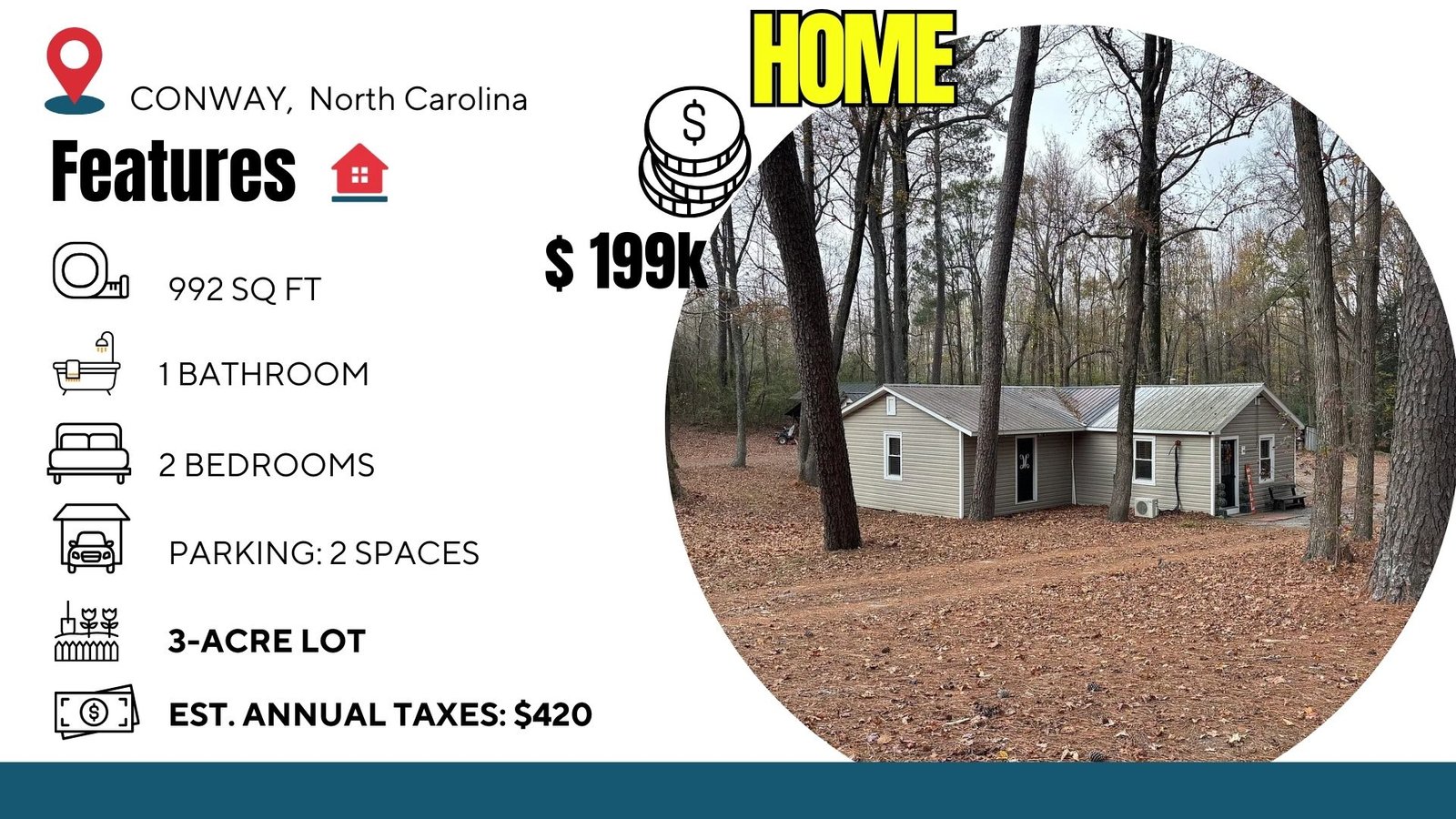
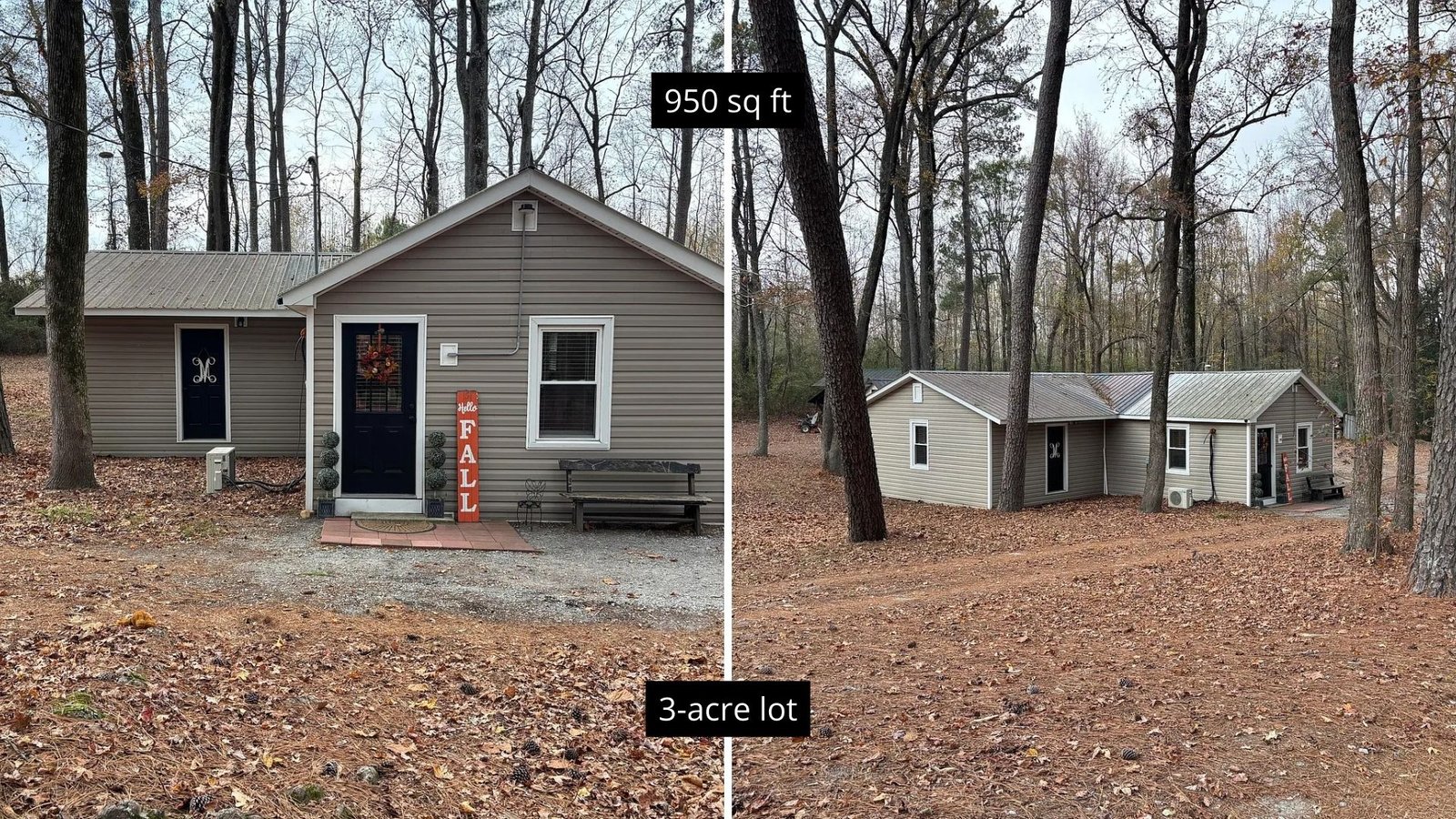
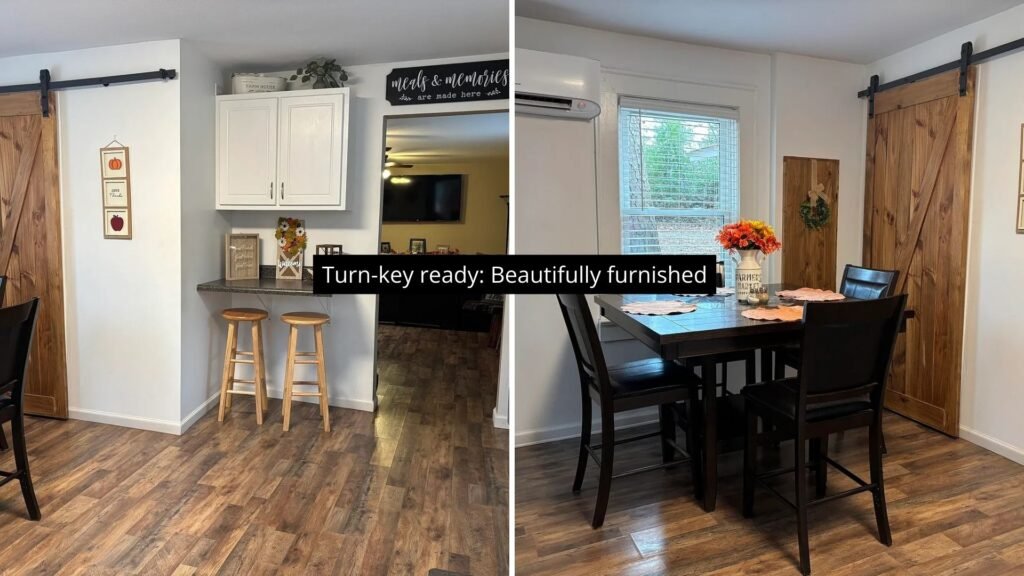
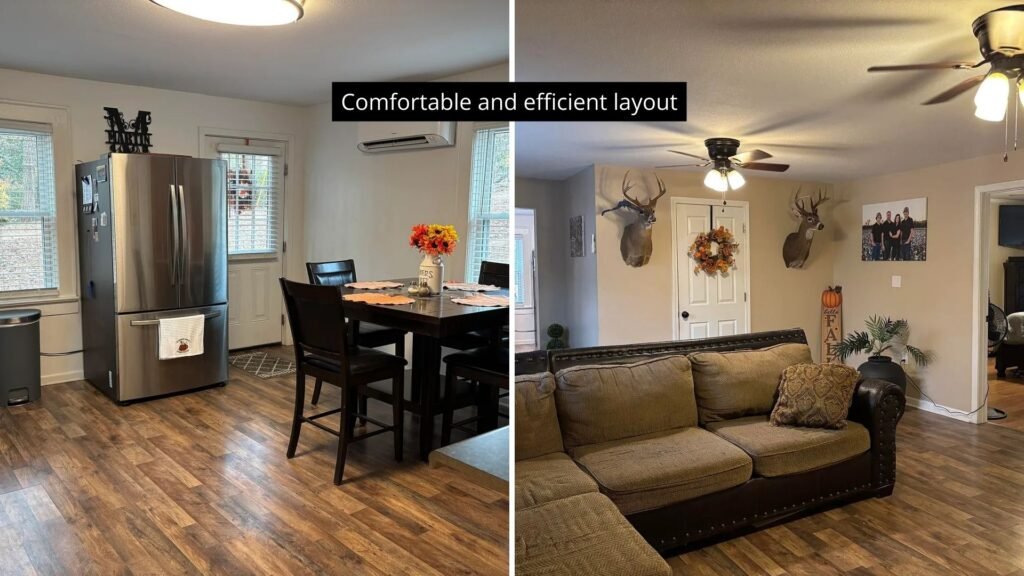
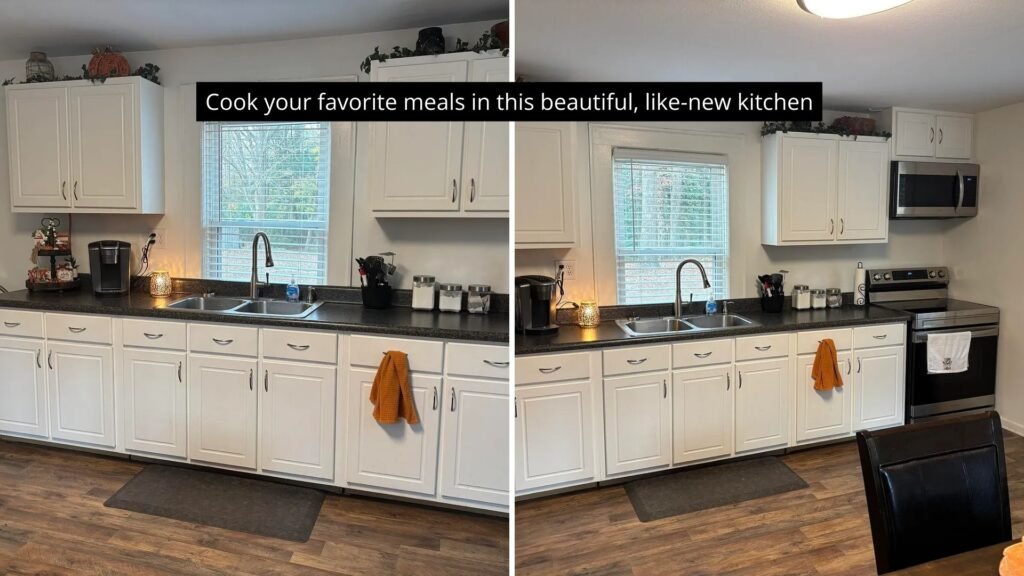
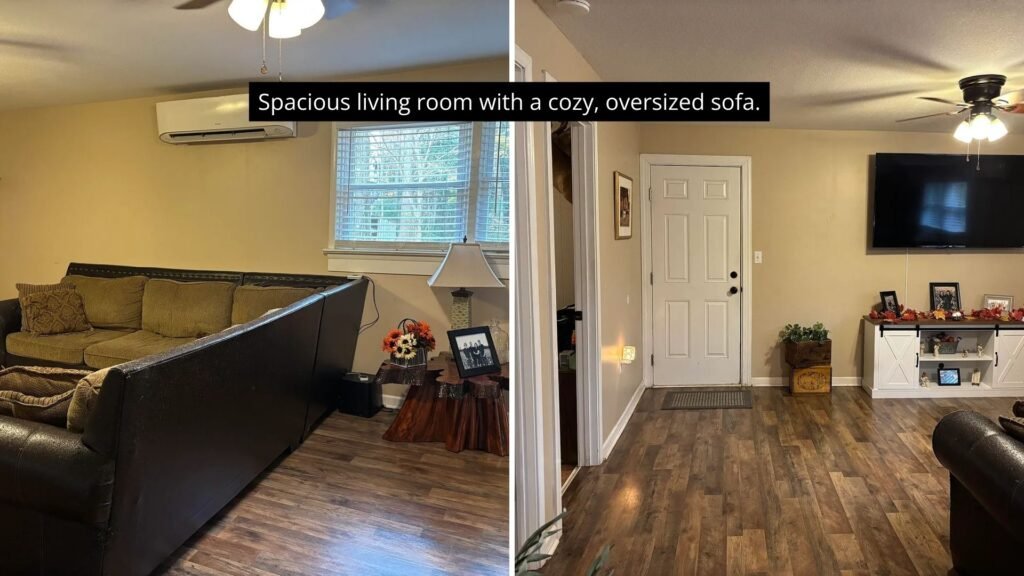
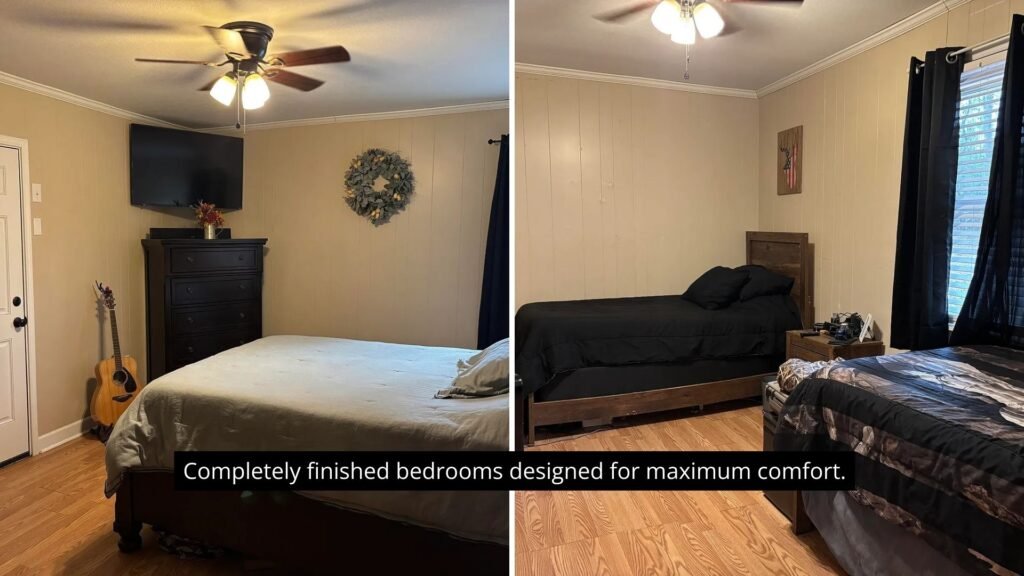
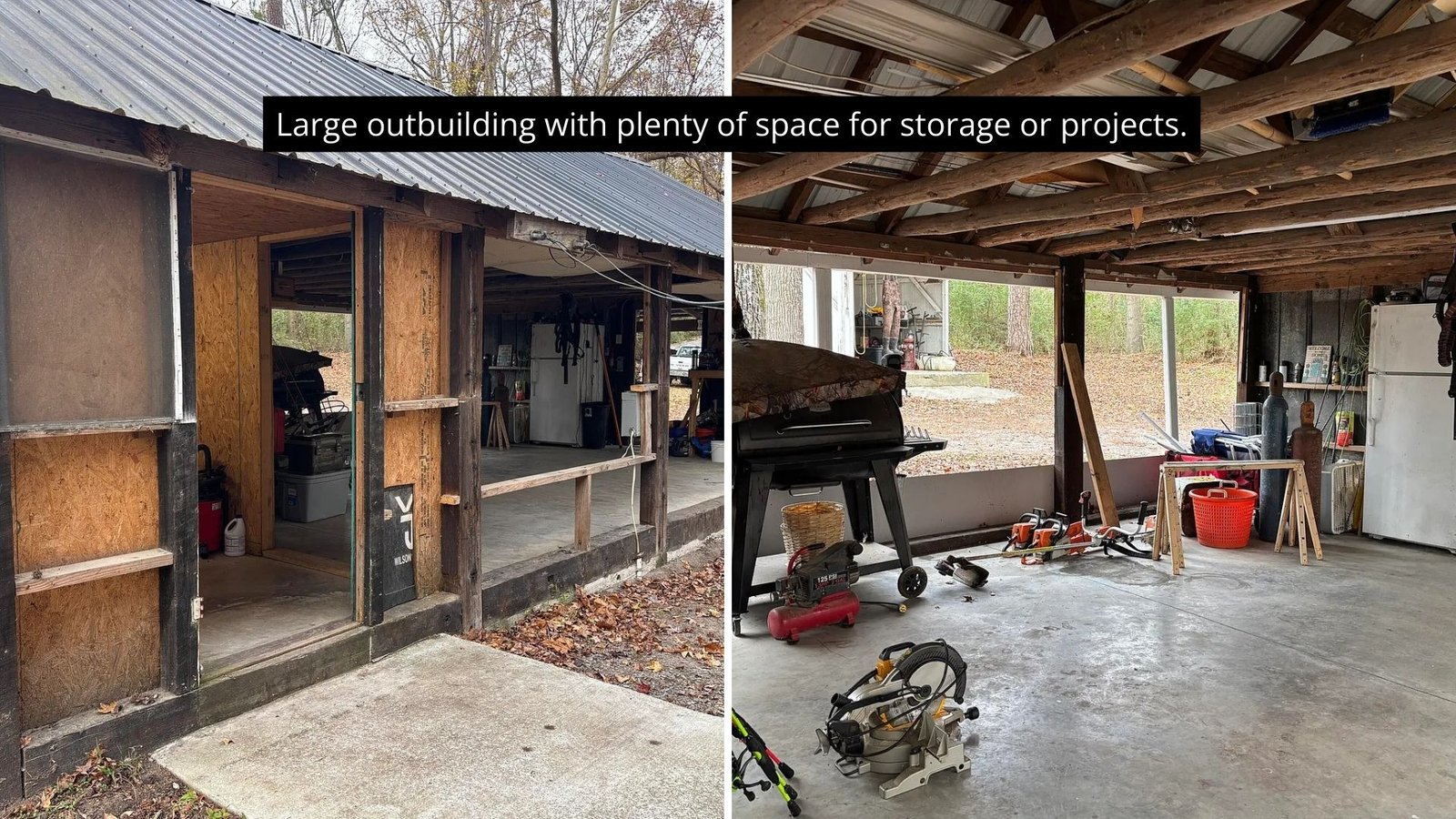
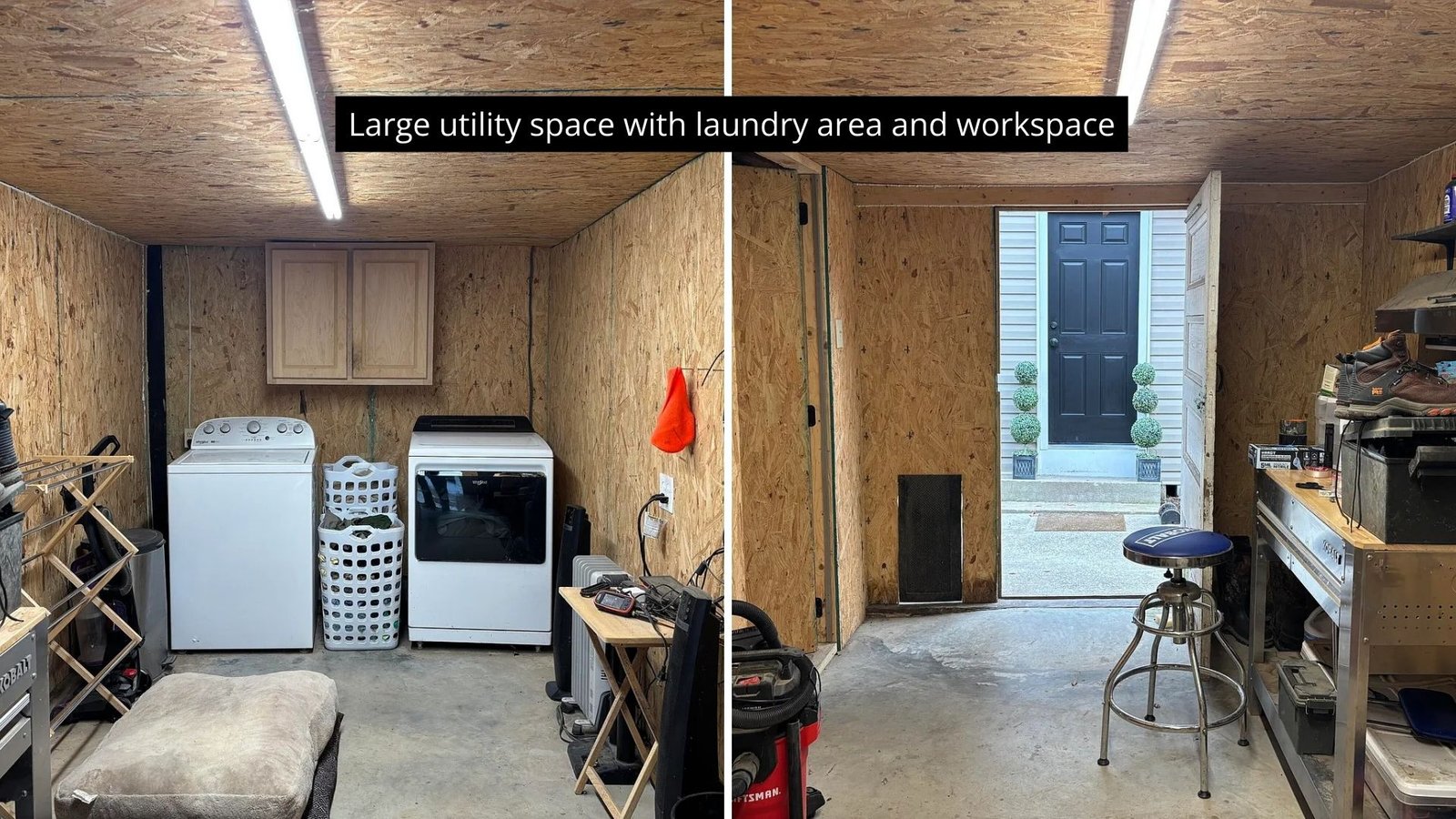
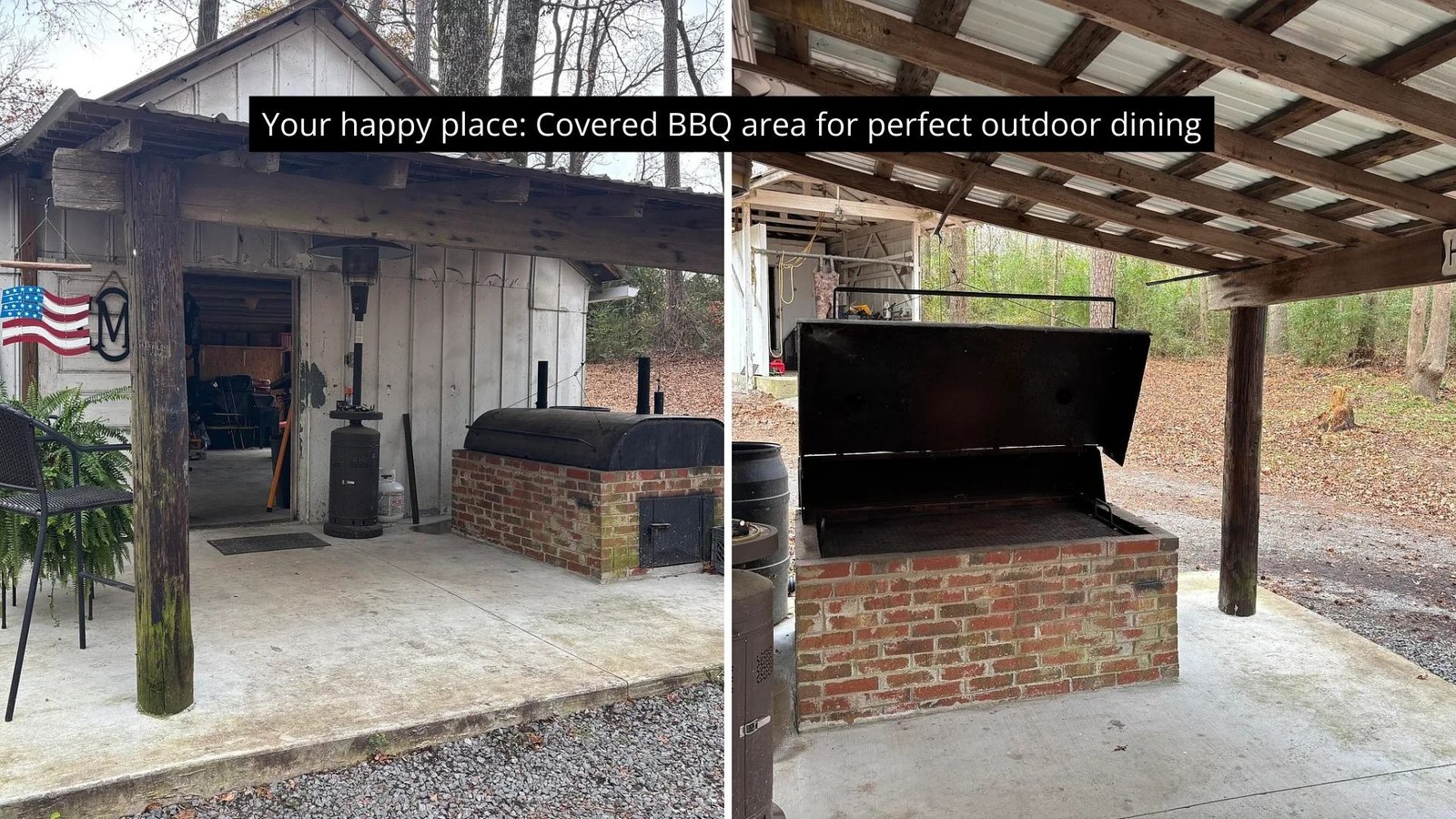
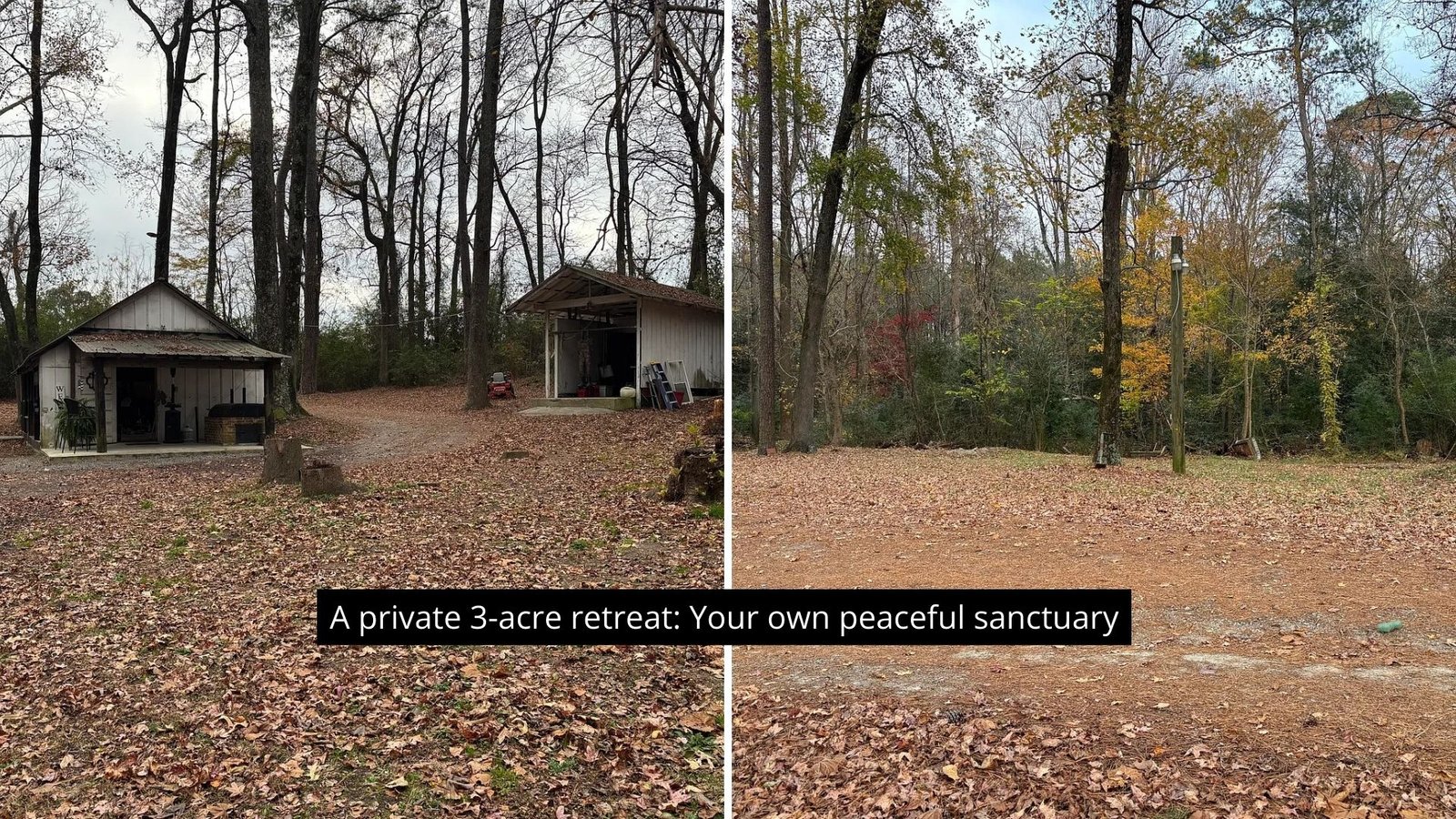
Photos from the property listing · © the listing agent / brokerage
View official listing on Homes.com
What Land Actually Costs in Northampton County
This is one of the genuinely inexpensive corners of North Carolina, and the census confirms it rather than contradicting it. The USDA 2022 Census of Agriculture puts farmland and buildings in Northampton County at $3,222 per acre — well under the statewide average of $5,482, and among the lower figures in the state, across 54,675 acres in farms.
The reason is not soil quality. Northampton sits on the Virginia line in the northern coastal plain, has been losing population for decades, and has no metro pulling values up. Land is cheap here because demand is thin, which is exactly why three private acres and a converted building are attainable at this price.
The hunting-club origin is worth reading as information rather than colour. It tells you the property was built for seclusion and utility rather than for curb appeal or resale, and that the layout will reflect that. For a buyer who wants privacy and does not need a conventional floor plan, that is a feature. For one who may need to resell to a conventional buyer, it narrows the market.
What to Check Before You Buy in Northampton County
Flood and hurricane exposure is the first question, not the last
This is the North Carolina coastal plain, and it floods. Hurricanes Matthew in 2016 and Florence in 2018 both put water deep into inland communities that people assumed were safely away from the coast. Pull the FEMA flood map for the exact parcel, ask directly whether the property has ever taken water, and get an actual homeowners and flood insurance quote on the address before you make an offer. On a cheap house, the annual premium is often the number that decides whether the purchase works.
Perc test and the bedroom count
Coastal plain soils range from sandy and fast-draining to heavy clay that barely drains at all, sometimes within the same parcel. Get a percolation test and a written assessment from the county health department before closing: they set how many bedrooms your septic system may legally serve, and that number can quietly cap what you are allowed to build, add or rent.
A converted building needs its permits traced
This is the specific item for this property. Ask the county whether the conversion from club building to dwelling was permitted and inspected, and whether the structure is recorded as a residence. An unpermitted conversion can block conventional financing, complicate insurance and create problems at resale. Ask about the well, the septic and the electrical service specifically, because outbuildings converted to living space frequently carry systems that were never sized for full-time residential use.
Property photographs are from this property’s public listing and remain the copyright of the listing agent, brokerage or photographer. American Home Opportunities is not a real estate brokerage and claims no ownership of these images. The article’s cover image is a digital illustration and does not depict a specific property. See our Copyright & Takedown Policy.