
FHA Mobile Home Loan Rules: Title I, Title II and Which Homes Qualify
Age, foundation, title, down payment and limits: how each FHA mobile home loan works, and where rural buyers get stuck.
An FHA mobile home loan comes in two forms. A Title II mortgage finances a manufactured home and its land together as real estate, with as little as 3.5% down and up to 30 years to pay. A Title I loan can finance the home alone, even on a leased lot, with 5% down and up to 20 years for most loans.
Either way, FHA does not lend the money. It insures the FHA mobile home loan, and a private lender makes it. That is why the federal rules are only half of the story: the lender in front of you can ask for more than FHA does, and many do, especially on single-wides.
A note on words. Legally, a “mobile home” was built before the federal HUD Code took effect on June 15, 1976, and everything built since is a “manufactured home.” FHA insures only the second kind. Most buyers still say mobile home for both, so this guide uses the term the way people search for it and flags it where the difference decides the loan.
Below you will find what each program covers, which homes qualify, what the limits and premiums are, what a law passed in July 2026 changed, and where rural buyers get stuck. We also looked at how old the country’s mobile homes really are: 23% of the occupied ones were built before 1980, so age is the first thing to check on any resale.
FHA mobile home loans: the numbers in short
Title I or Title II: the two kinds of FHA mobile home loan
The choice comes down to the land and the title. If the home and land will be one piece of real estate on a permanent foundation, you are in Title II territory. If the home stays personal property, sits on a leased lot or has been moved, Title I is the FHA program that can still work. Here is how the two compare under the rules in effect in November 2026.
| Title II (Section 203(b)) | Title I manufactured home loan | |
|---|---|---|
| What it finances | The home and the site together | The home alone, the lot alone, or both |
| How the home is classified | Real estate under state law (it need not be taxed as real estate) | Personal property or real estate |
| Foundation | Permanent, built to HUD’s Permanent Foundations Guide and certified by an engineer or architect | Installed to the federal standards in 24 CFR Part 3285 and any stricter state rules |
| Leased land | Only under FHA’s leasehold rules | Yes. In a community, the lease must run at least three years |
| A home that has been moved | No. It must come straight from the factory or dealer to the site | Yes, if a licensed installer sets it up to code |
| Longest term | 30 years | 20 years and 32 days. 25 years and 32 days for a multi-section home with lot. 15 years and 32 days for a lot |
| Minimum down | 3.5% at 580 or higher; 10% from 500 to 579 | 5% above 500; 10% at 500 or below |
| Upfront insurance premium | 1.75% of the base loan | 2.25% of the base loan |
| Annual insurance premium | 0.55% on most low-down loans of $726,200 or less, for the life of the loan | 1% of the balance, for the life of the loan |
| Loan limit | County limit, at least $541,287 in 2026 | $105,532 to $237,096 by loan type, as HUD publishes them |
| Occupancy | Principal residence | Principal residence, moved in within six months on lot and combination loans |
Title II’s premiums are lower, but it asks more of the property, which helps explain why it reaches only part of the market: Census data show that in 2024, 78% of new manufactured homes were titled as personal property and only 18% as real estate. Joe Wooldridge, VP of Operations at Champion Builder Group, who has nearly 30 years in factory-built housing, notes that a home on a permanent foundation on privately owned land can appreciate much like other real estate, which is the setup Title II is built around.
Our guide to putting a manufactured home on rural land covers the full process, from zoning to delivery, and the Financing Path Finder helps sort which loan types may fit a given property.
Which homes qualify for a Title II FHA mobile home loan
To qualify, a manufactured home must be at least 400 square feet, built on or after June 15, 1976 with its HUD label, classified as real estate, set on a certified permanent foundation, and never moved from its first site. The appraiser checks each point and reports any miss to the lender. These are the requirements in HUD Handbook 4000.1:
- Built to the HUD Code. A red metal HUD Certification Label sits at one end of each section. If it is gone, the lender gets a letter of label verification from the Institute for Building Technology and Safety.
- At least 400 square feet. The handbook sets no separate minimum width.
- Real estate. The home and site must exist together as a real estate entity under state law, which in many states means cancelling the vehicle title. Tax treatment does not have to match.
- One trip only. The home must have gone directly from the factory or dealer to this site. A used home that was hauled from somewhere else does not qualify.
- A certified foundation. An engineer or architect licensed in that state attests that it meets HUD’s guide. A certificate from an earlier FHA loan can be reused if there are no alterations or damage.
- Wheels and hitch gone, skirting attached. The towing hitch and running gear must be removed, and the crawl space must be enclosed with a continuous, ventilated perimeter wall or properly attached skirting.
- Above the flood line. The ground under the home must be at or above the 100-year flood elevation. In FEMA Zones A or V, the appraiser stops until the lender supplies a map amendment or an elevation certificate.
- Additions inspected. A porch or room built onto the home needs a state inspection or a structural engineer’s report covering it.
The foundation is usually the expensive surprise. Our guide to mobile home foundations explains which systems can be certified and what to look for under an existing home.
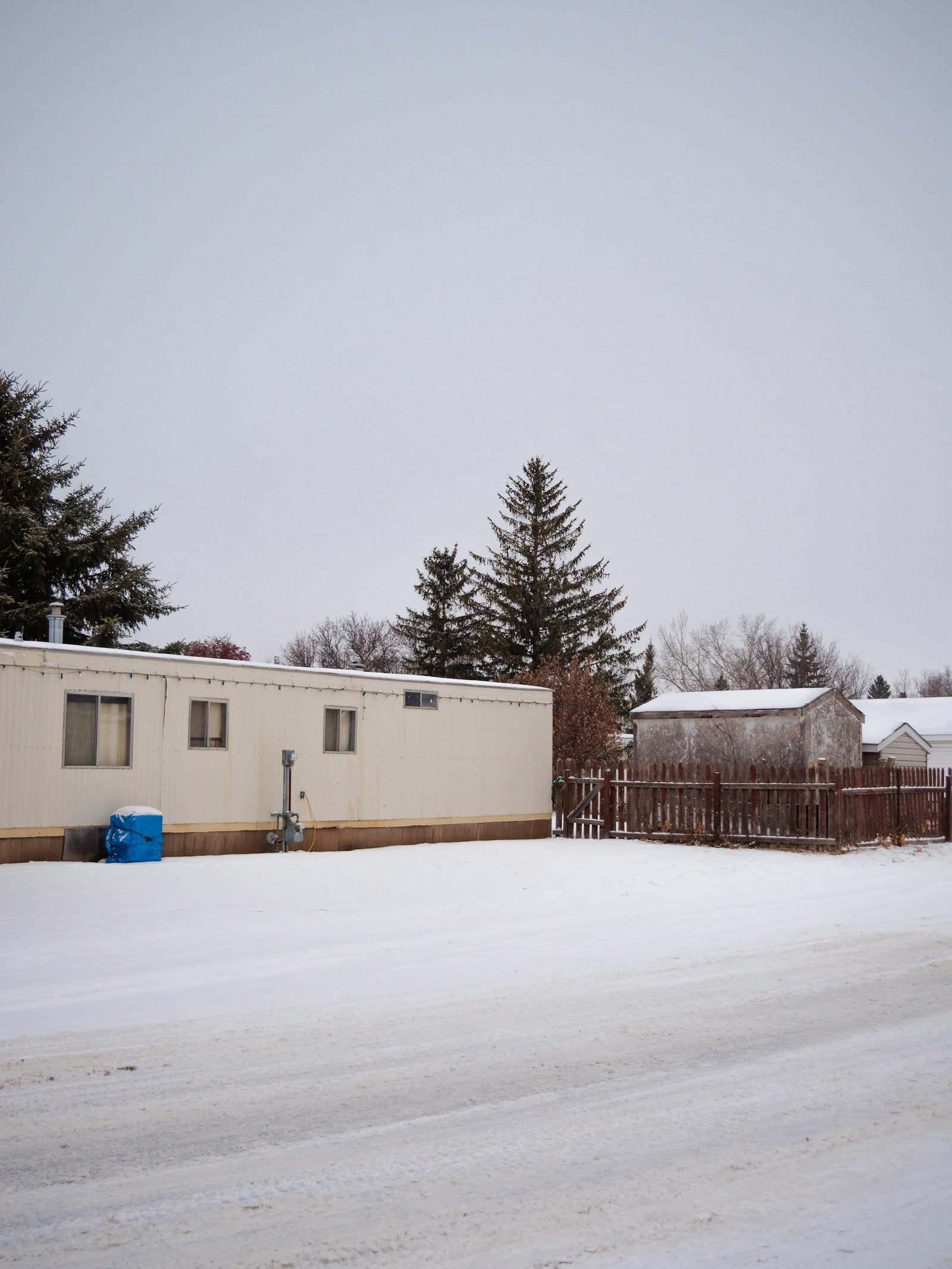
One rule that surprises people: nothing in Handbook 4000.1 excludes single-wides, and its definition of manufactured housing names them. In practice, a lender may refuse them anyway. One FHA lender’s published guide, for example, accepts only double-wides outside certain approved projects. That is a lender’s choice, not FHA’s, so another lender may answer differently.
The June 1976 line, state by state
Age is the first filter for any FHA mobile home loan, and it hits some states far harder than others. Nationally, 23.3% of occupied mobile homes were built before 1980. In California it is 49%; in Mississippi, 10%. We calculated this from the Census Bureau’s 2024 American Community Survey, table B25127, which counts occupied homes by structure type and the decade they were built.
The Census groups years in wide bands, so 1960 to 1979 is a single bucket and we cannot split it at June 1976. Treat the “before 1980” share as an upper limit on homes too old for FHA: it includes homes from the first three and a half years of the HUD Code. The count also includes the small number of RVs, boats and vans lived in year-round, which the Census lumps into the same category. It is a measure of what is out there, not a verdict on any one home.
How old is the stock?
Share of occupied mobile homes built before 1980, highest and lowest states
Highest eight
Lowest eight
Source: U.S. Census Bureau, American Community Survey 2024 1-year, table B25127, owner and renter occupied. Calculations by American Home Opportunities.
The pattern is useful for a rural buyer. Across the South, home to many of the cheapest rural houses, the oldest homes are a small minority: every state with a share under 15% is in that region, from Mississippi at 10.4% to Oklahoma at 14.4%. In parts of the Northeast and West, an older home is common, and seven states have 40% or more of their stock from before 1980. Small states carry bigger sampling error, so read Hawaii, Rhode Island and Connecticut loosely.
| Rank | State | Occupied mobile homes | Built before 1980 | Share | Built 1980-1999 | Built 2000 or later |
|---|---|---|---|---|---|---|
| 1 | Alaska | 9,594 | 5,285 | 55.1% | 2,912 | 1,397 |
| 2 | Connecticut | 9,881 | 5,151 | 52.1% | 2,437 | 2,293 |
| 3 | Massachusetts | 23,383 | 11,735 | 50.2% | 7,475 | 4,173 |
| 4 | California | 468,750 | 231,249 | 49.3% | 129,738 | 107,763 |
| 5 | New Jersey | 31,538 | 13,231 | 42.0% | 9,818 | 8,489 |
| 6 | Montana | 42,761 | 17,932 | 41.9% | 15,365 | 9,464 |
| 7 | Nebraska | 18,849 | 7,645 | 40.6% | 6,799 | 4,405 |
| 8 | Idaho | 49,455 | 19,489 | 39.4% | 20,515 | 9,451 |
| 9 | Utah | 34,246 | 12,918 | 37.7% | 14,443 | 6,885 |
| 10 | Nevada | 63,762 | 23,537 | 36.9% | 26,932 | 13,293 |
| 11 | Colorado | 81,803 | 29,221 | 35.7% | 31,368 | 21,214 |
| 12 | Oregon | 122,051 | 42,458 | 34.8% | 52,001 | 27,592 |
| 13 | Pennsylvania | 172,734 | 55,320 | 32.0% | 72,158 | 45,256 |
| 14 | Washington | 175,664 | 55,405 | 31.5% | 81,117 | 39,142 |
| 15 | Minnesota | 56,582 | 17,823 | 31.5% | 25,125 | 13,634 |
| 16 | New Hampshire | 32,172 | 10,097 | 31.4% | 12,960 | 9,115 |
| 17 | Wyoming | 28,656 | 8,783 | 30.6% | 9,374 | 10,499 |
| 18 | Wisconsin | 64,631 | 19,643 | 30.4% | 31,707 | 13,281 |
| 19 | New York | 155,926 | 46,493 | 29.8% | 68,386 | 41,047 |
| 20 | Florida | 655,355 | 190,472 | 29.1% | 292,593 | 172,290 |
| 21 | Arizona | 252,437 | 72,615 | 28.8% | 108,459 | 71,363 |
| 22 | Maryland | 31,644 | 8,918 | 28.2% | 13,266 | 9,460 |
| 23 | Ohio | 153,819 | 42,102 | 27.4% | 67,671 | 44,046 |
| 24 | South Dakota | 26,930 | 7,210 | 26.8% | 13,354 | 6,366 |
| 25 | Hawaii | 1,543 | 411 | 26.6% | 404 | 728 |
| 26 | Iowa | 39,549 | 10,403 | 26.3% | 17,548 | 11,598 |
| 27 | Delaware | 27,196 | 6,942 | 25.5% | 13,868 | 6,386 |
| 28 | Illinois | 104,781 | 26,214 | 25.0% | 44,191 | 34,376 |
| 29 | Rhode Island | 3,807 | 914 | 24.0% | 1,494 | 1,399 |
| 30 | Kansas | 45,635 | 10,923 | 23.9% | 21,856 | 12,856 |
| 31 | Michigan | 194,066 | 46,252 | 23.8% | 90,224 | 57,590 |
| 32 | Indiana | 109,348 | 25,987 | 23.8% | 51,763 | 31,598 |
| 33 | North Dakota | 17,489 | 4,105 | 23.5% | 6,093 | 7,291 |
| 34 | Maine | 54,078 | 12,655 | 23.4% | 23,611 | 17,812 |
| 35 | Missouri | 122,397 | 28,006 | 22.9% | 57,228 | 37,163 |
| 36 | Vermont | 18,550 | 4,225 | 22.8% | 9,546 | 4,779 |
| 37 | New Mexico | 125,311 | 28,181 | 22.5% | 62,430 | 34,700 |
| 38 | West Virginia | 93,916 | 18,272 | 19.5% | 45,502 | 30,142 |
| 39 | Virginia | 140,058 | 27,006 | 19.3% | 71,674 | 41,378 |
| 40 | Kentucky | 182,566 | 28,210 | 15.5% | 83,676 | 70,680 |
| 41 | Arkansas | 124,709 | 18,871 | 15.1% | 55,016 | 50,822 |
| 42 | Oklahoma | 122,924 | 17,762 | 14.4% | 51,609 | 53,553 |
| 43 | North Carolina | 454,283 | 63,671 | 14.0% | 254,937 | 135,675 |
| 44 | Georgia | 300,595 | 40,521 | 13.5% | 167,935 | 92,139 |
| 45 | South Carolina | 274,000 | 34,779 | 12.7% | 150,606 | 88,615 |
| 46 | Texas | 691,902 | 85,634 | 12.4% | 275,459 | 330,809 |
| 47 | Alabama | 235,234 | 28,753 | 12.2% | 115,823 | 90,658 |
| 48 | Tennessee | 217,506 | 26,252 | 12.1% | 106,035 | 85,219 |
| 49 | Louisiana | 214,090 | 23,674 | 11.1% | 73,674 | 116,742 |
| 50 | Mississippi | 157,732 | 16,450 | 10.4% | 70,942 | 70,340 |
| 50 states | 6,835,888 | 1,589,805 | 23.3% | 3,039,117 | 2,206,966 |
To check a specific home, find the data plate, usually inside a kitchen cabinet, near the electric panel or in a utility room. It lists the manufacturer, serial number, model and date of manufacture. Then look for the metal label outside at one end of each section. No label and a build date before June 15, 1976 means no FHA loan of either kind.
How a Title I FHA mobile home loan works
Title I insures loans on the home by itself, on a lot by itself, or on both together. The home can stay personal property, and it can sit on land you own or lease. FHA calls these a manufactured home loan, a lot loan and a combination loan. The program has run since 1969, yet Pew has called Title I “grossly underutilized,” and FHA’s 2024 update aimed to draw in more lenders.
| Title I loan type | Limit HUD publishes | Limit in the law since July 2026 | Longest term HUD publishes |
|---|---|---|---|
| Home only, single-section | $105,532 | $106,405 | 20 years, 32 days |
| Home only, multi-section | $193,719 | $195,322 | 20 years, 32 days |
| Home and lot, single-section | $148,909 | $149,782 | 20 years, 32 days |
| Home and lot, multi-section | $237,096 | $238,699 | 25 years, 32 days |
| Lot only | $43,377 | $43,377 | 15 years, 32 days |
Those limits are not tight for most buyers. The Census Bureau’s average 2025 price for a new single-section home was $85,600, and $157,100 for a double-section, both including the seller’s installation. By our count, the average new double-section sells below the $193,719 home-only limit in 45 of the 46 states with published figures; Montana is the exception, at $194,800. Add land, a septic system and a driveway, and the math gets closer.
The rules for a Title I FHA mobile home loan are lighter than Title II, but they are not nothing. The site must have adequate utilities, vehicle access from a public right-of-way, and adequate water and sewage. The lender documents this with a certification from a local official or civil engineer, or with a building permit and water and sewer permits, or a certificate of occupancy. A home older than 18 months needs an appraisal. A relocated home must be installed by a licensed installer to the federal standards.
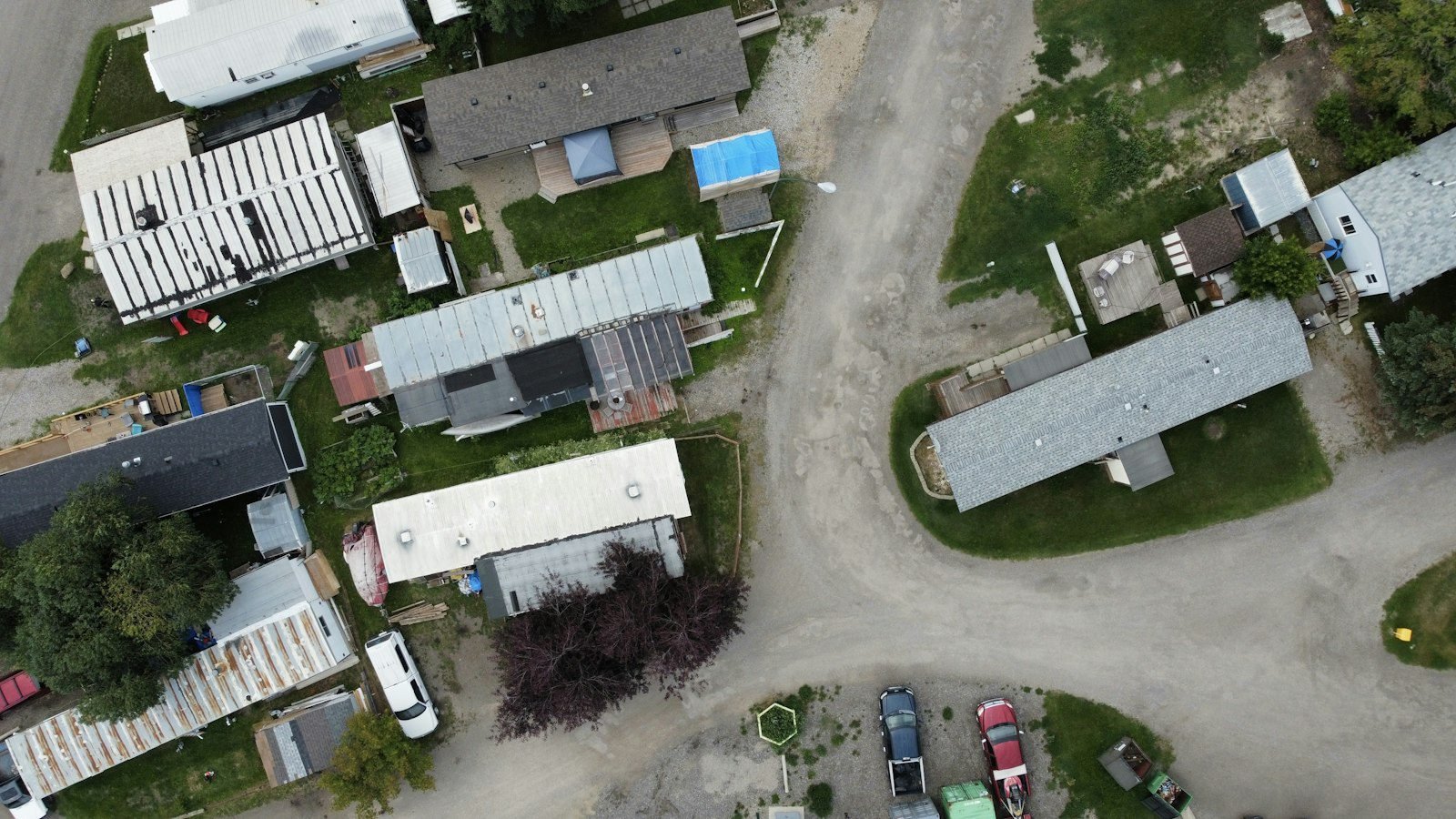
What the July 2026 housing law changed, and what it has not yet
The 21st Century ROAD to Housing Act, Public Law 119-101, became law on July 11, 2026. It raised the Title I loan limits in the statute and allows terms of up to 30 years, but HUD’s handbook still shows the old numbers, so ask each lender which ones it is using.
Three changes matter for a buyer:
- Higher Title I limits. The National Housing Act, 12 U.S.C. 1703(b), now lists the amounts in the table above, with lot-only unchanged at $43,377.
- Longer Title I terms, when HUD says so. The law now caps the term at 30 years “as determined by the Secretary.” Until HUD acts, the published terms in the table apply.
- Homes without a permanent chassis. The federal definition of a manufactured home now reads “with or without a permanent chassis.” Handbook 4000.1 still requires Title II homes to be built and remain on one, and HUD has yet to write standards for chassis-free homes.
HUD said as much on August 12, 2026, when it updated the handbook: the update leaves out the law’s provisions, which HUD says are under evaluation. We will update this page when HUD publishes new figures. Before you rely on any number for an FHA mobile home loan, confirm it with a lender.
What an FHA mobile home loan costs beyond the price
Both programs charge an upfront premium and an annual premium for insurance that protects the lender, not you. Title I’s are higher: 2.25% and 1% a year, against 1.75% and 0.55% for most low-down Title II loans. Interest rates are set by the lender, and on Title I they are negotiated between you and the lender.
Worked example
A $120,000 home and lot, at each program’s minimum down payment
| Title II | Title I | |
|---|---|---|
| Down payment | $4,200 (3.5%) | $6,000 (5%) |
| Base loan | $115,800 | $114,000 |
| Upfront premium | $2,027 | $2,565 |
| Annual premium, first year | about $637 | about $1,140 |
Our arithmetic from the rates in HUD Handbook 4000.1, on the base loan before any financed premium, with the annual premium falling as the balance falls. Excludes interest, taxes, property insurance and closing costs. An illustration, not a quote.
The credit rules look generous, and that is where lender policy matters most. Title II’s floor is a score of 500, with a 10% down payment below 580. Starting with case numbers assigned on January 1, 2027, lenders can also use FICO 10T and VantageScore 4.0, with the same minimums. Lenders often require more than the FHA floor, so a buyer with a low score may be turned down by one lender and accepted by another.
Where a rural FHA mobile home loan gets stuck
A rural manufactured home can meet every federal rule on paper and still stall on the property itself. These are the snags that come up most on land outside town. None of them are deal-breakers on their own, but each one costs time or money, so ask about them early.
Finding comparable sales
A Title II appraisal must include at least two manufactured home sales. In a thin rural market there may be few recent ones, and the appraiser has to make the value credible with what exists. A low appraisal is a common way these deals die, so ask a local appraiser or lender how the area usually comes in.
A used home on a new site
This is the classic trap with cheap land. A seller offers to move a used home onto your acreage, and Title II is off the table the moment it leaves its first site. Title I can still work, with a licensed installer and the federal installation rules.
Well, septic and access
Both programs care about water, waste and how you reach the property. Title I wants access from a public right-of-way and public or community water and sewer unless they are unavailable, with private water meeting federal drinking water standards if no local standard exists. Our Water Check lists what to ask about a well before you commit. For the septic side, see what it costs to install a septic system.
Flood zones and additions
Homes near a creek can land in FEMA Zone A, which stops a Title II appraisal until the lender provides an elevation certificate or a map change. And a porch or a room added years ago can require a state inspection or an engineer’s report, even if the seller has lived with it for decades.
Finding a lender for an FHA mobile home loan
Being FHA-approved does not mean a lender makes an FHA mobile home loan, so ask directly before you apply. Title I in particular has been thinly used. Pew found that just five lenders made more than 75% of all home-only manufactured home loans from 2018 to 2022, and that 36% of completed home-only applications were approved in 2021. HUD’s help desk at (800) CALL-FHA can point you to approved lenders.
These are the questions that sort it out quickly:
- Do you make an FHA mobile home loan? And is that Title I, Title II or both?
- Do you finance single-wides? Many lenders add this limit on their own.
- What credit score do you require? Ask for your own minimum, not FHA’s.
- Which Title I limits are you using? The published ones or the ones in the 2026 law?
- Do you accept a home on this kind of site? Mention well, septic, acreage and a private road up front.
- Who orders the foundation certification, and when? Knowing this early avoids paying for it twice.
When FHA is not the answer
An FHA mobile home loan is not the only route, and no single loan suits every home and every buyer. These are the other paths a lender may raise:
- VA loans. For eligible veterans. Our guide to VA loans for manufactured homes covers foundation and funding fee rules.
- USDA loans. For eligible buyers in eligible rural areas, on homes that meet USDA’s own age and installation rules.
- Conventional loans. Fannie Mae and Freddie Mac programs, including MH Advantage and CHOICEHome for homes built to higher construction standards.
- Chattel loans. Private home-only loans outside FHA. They are common and tend to carry higher rates.
If a home does not fit any of these, the reasons are often the ones in our guide to why cheap rural homes don’t sell: a loan problem, more than a house problem.
Common questions about FHA mobile home loans
Can you get an FHA loan on a mobile home?
Yes, if it was built on or after June 15, 1976. FHA Title II finances a manufactured home and land together as real estate on a permanent foundation. FHA Title I can finance the home alone, even on a leased lot. Homes older than that date are not eligible under either program, and a private lender must make the loan.
How old can a mobile home be for an FHA loan?
There is no age limit in years, only a date. The home must have been built on or after June 15, 1976, when the federal HUD Code took effect, and carry a HUD label or a verification letter. A 1990 home can qualify, though lenders may add their own age limits, and it must meet every other FHA rule.
Can you get a 30 year FHA loan on a manufactured home?
Yes, on a Title II mortgage, where 24 CFR 203.43f allows up to 30 years on the home and land as real estate. Title I published terms are shorter: 20 years and 32 days for most loans and 25 years and 32 days for a multi-section home with lot. A 2026 law allows 30 years once HUD sets it.
Does FHA finance single wide mobile homes?
FHA’s rules allow them. Handbook 4000.1 names single-wides in its definition of manufactured housing and requires at least 400 square feet, with no separate width minimum. Many lenders refuse them anyway, as their own policy, so a rejection from one lender does not settle the question. Ask several lenders before paying for an appraisal or a foundation certificate.
Can you use an FHA loan to buy land and a mobile home?
Yes. A Title II mortgage covers both as real estate if the home sits on a certified permanent foundation and came straight from the factory or dealer. A Title I combination loan also covers both, up to $148,909 for single-section and $237,096 for multi-section homes in HUD’s published limits. A Title I lot loan requires placing a home there within six months.
Can you get an FHA loan on a mobile home in a park?
Usually through Title I, which accepts leased sites. In a community of three or more homes, the lease must run at least three years, renew for at least a year at a time, and promise 180 days’ notice if the park closes. Title II requires real estate status and FHA’s leasehold rules, which most rented park lots will not meet.
What credit score do you need for an FHA mobile home loan?
FHA’s floor on Title II is 500, with 10% down from 500 to 579 and 3.5% down at 580 or above. Title I asks for 5% down above 500 and 10% at 500 or below. Those are FHA’s minimums, not a promise: many lenders require a higher score for manufactured homes, so ask each lender for its own number.
Where to look next
Start with the full guide to a manufactured home on rural land and the foundation guide. To price the land, see the cheapest places to buy a house with land and the cheapest states to buy land. Our rural property guides collect the rest, and the Field Guide covers due diligence on any rural parcel, from wells and septic to surveys and easements.
Get the next guide in this series
This is the third guide in our series on factory-built homes on rural land. Leave your email and you will get each new guide, plus the cheapest land listings we find, as they go up.
Sources
- HUD, Single Family Housing Policy Handbook 4000.1 (last revised August 12, 2026): II.A.1 Manufactured Housing, the II.A credit score and loan-to-value rules, II.D.5 Property Acceptability Criteria for Manufactured Housing, II.E.4 Title I Manufactured Home Loan Program, Appendix 1.0 Mortgage Insurance Premiums.
- 24 CFR § 203.43f (Title II manufactured homes), § 201.10 and § 201.11 (Title I amounts and terms).
- 12 U.S.C. § 1703(b) (Title I limits and terms, as amended by Public Law 119-101, July 11, 2026); HUD, Title I allowable loan parameters, March 2024; HUD, Manufactured Home Loan Program (Title I); FHA INFO 2026-18.
- HUD Mortgagee Letter 2025-23 (2026 forward limits), Mortgagee Letter 2026-11 (credit score models) and Mortgagee Letter 2009-16 (foundation certification).
- U.S. Census Bureau, American Community Survey 2024 1-year, table B25127; Manufactured Housing Survey, average sales price; Congressional Research Service, R42504.
- The Pew Charitable Trusts, “Reformed FHA Program Will Offer Lenders New Business Opportunities”, March 2024; Towne Mortgage, FHA 203(b) manufactured summary guide (an example of a lender’s own limits).
- Joe Wooldridge, VP of Operations at Champion Builder Group, written answers to American Home Opportunities, October 2026, used with permission.
- Calculations, the state table and the worked example by American Home Opportunities.
Before you act on any of this
American Home Opportunities is a publisher. We are not a real estate broker or agent, lender, mortgage broker, manufactured home dealer or installer, appraiser, engineer, attorney, tax professional or financial advisor, and we are not affiliated with HUD or FHA. This guide is editorial and independent: no manufacturer, dealer, installer or lender paid for it or reviewed it, and quoting an industry professional is not an endorsement of any company or product. Nothing on this page is legal, lending, tax, investment or financial advice. The rules described here come from the public sources listed above as of November 2026.
FHA rules, loan limits, premiums and lender requirements change, and a 2026 law is still being put into practice, so verify every figure with a licensed lender before you rely on it. Rural property also raises questions no national rule settles: wells, septic, access and easements, surveys, flood zones, repairs, insurance, taxes and financing. Before you commit money, get written answers from the county, a licensed lender, an installer or engineer, and a title company or real estate attorney.